The real reason you can't use your phone on an airplane: 10 Flying facts
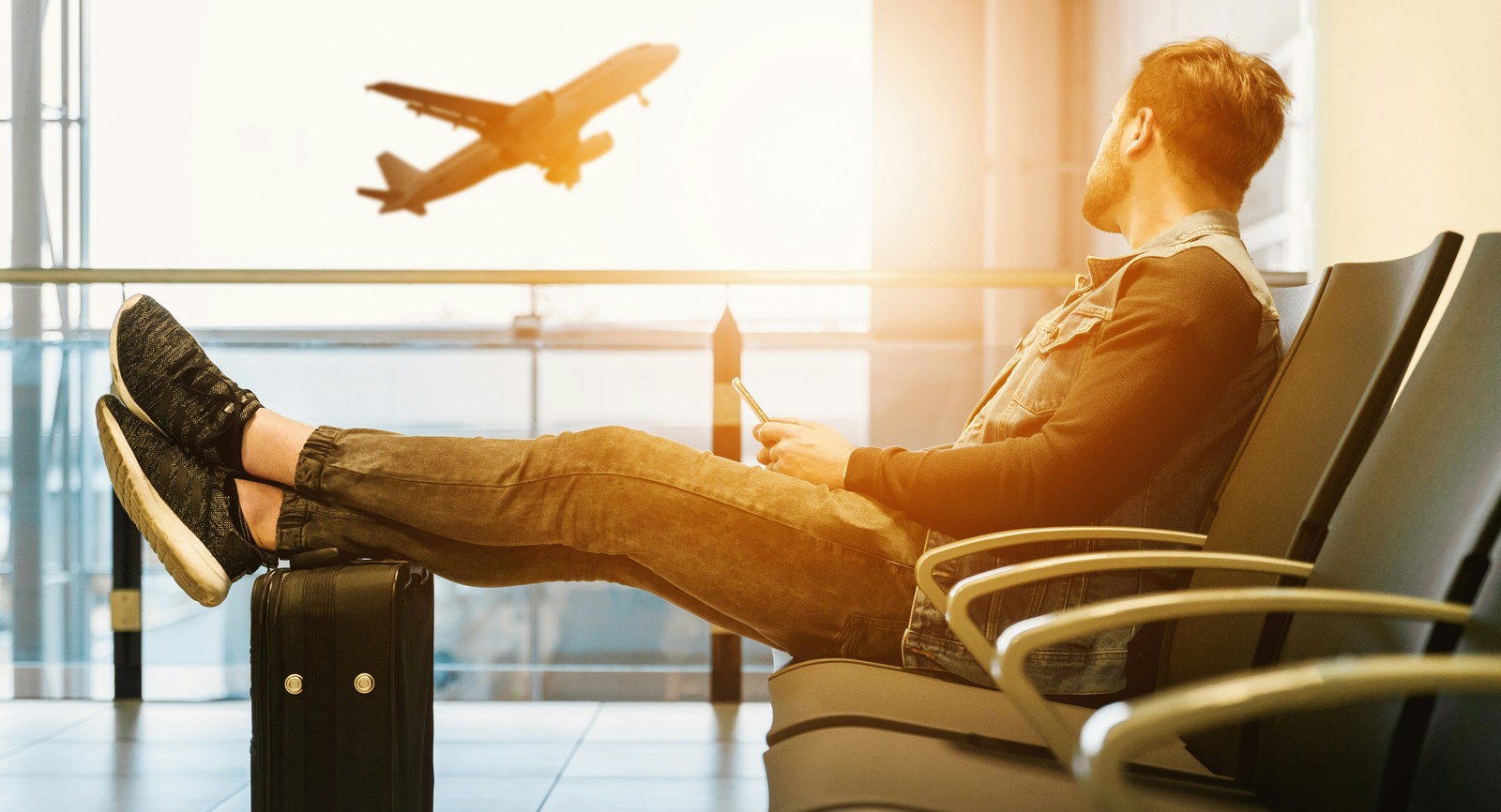
Behind the boarding pass
The real reason you can't use your phone on an airplane: 10 Flying facts
There’s nothing better than traveling. And if you’re flying, enjoying the altitude and the views, even better! Most of us have been to an airport or bought plane tickets at some point, but even experienced travelers may not realize how many little-known details and hidden secrets airports and airlines have. If you’d like to uncover a few fun facts or learn something useful for your next trip, this article is for you.
Electronic devices
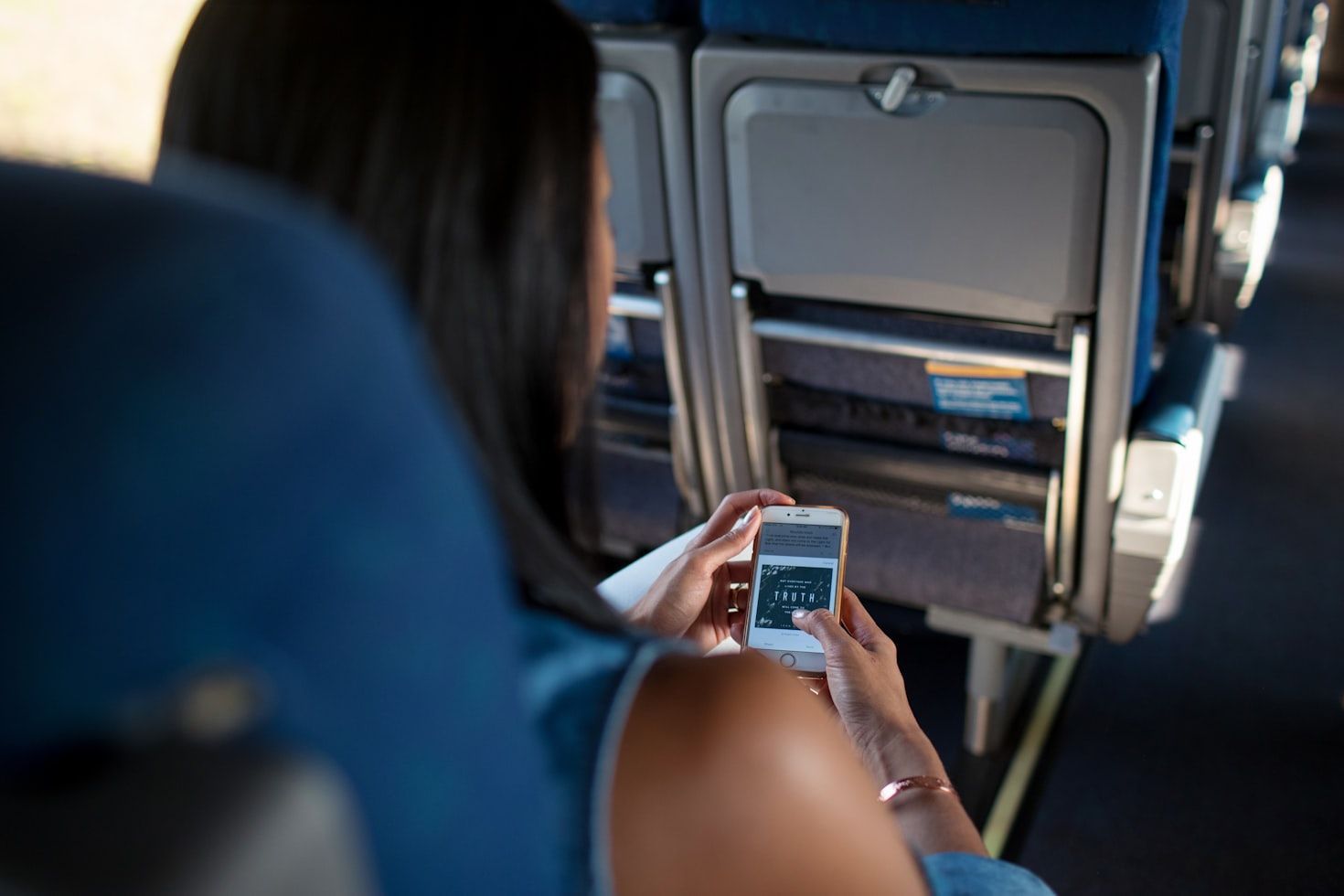 Image: YouVersion
Although it is partly true that using your cell phone or tablet on an airplane can cause electromagnetic interference with the aircraft’s equipment, this risk is mostly associated with older aircraft and is not the main reason these devices are restricted today. Actually, the main concern is passenger safety: in case of sudden deceleration or turbulence, unsecured devices can become fast and dangerous projectiles inside the cabin.
Door secret
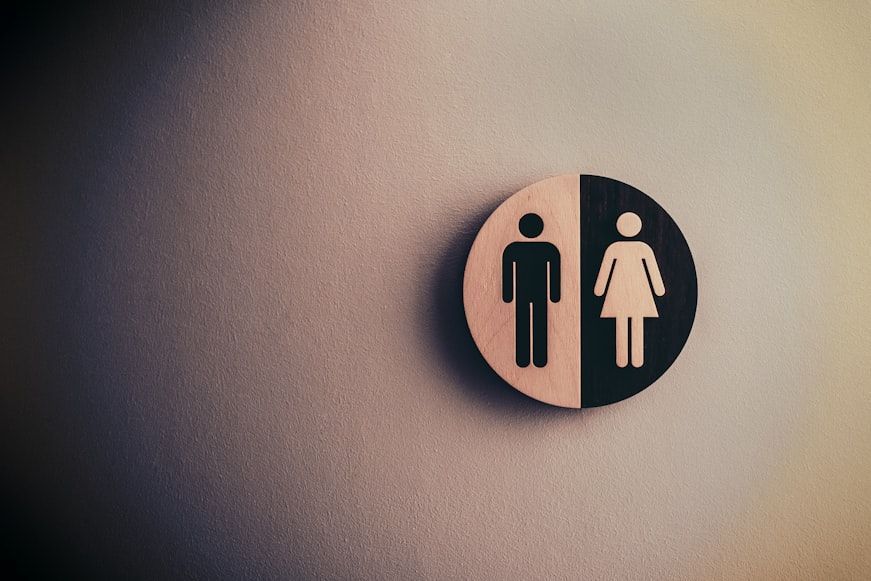 Image: Tim Mossholder
Did you know that airplane bathroom doors can be opened from the outside? Like many of us, you probably said "no" since the latch is usually hidden behind the "Occupied/Vacant" sign. Although it may seem like a violation of privacy, it’s actually a safety measure airlines include so the crew can assist passengers who have a medical emergency or become stuck inside the small space.
Rounded windows
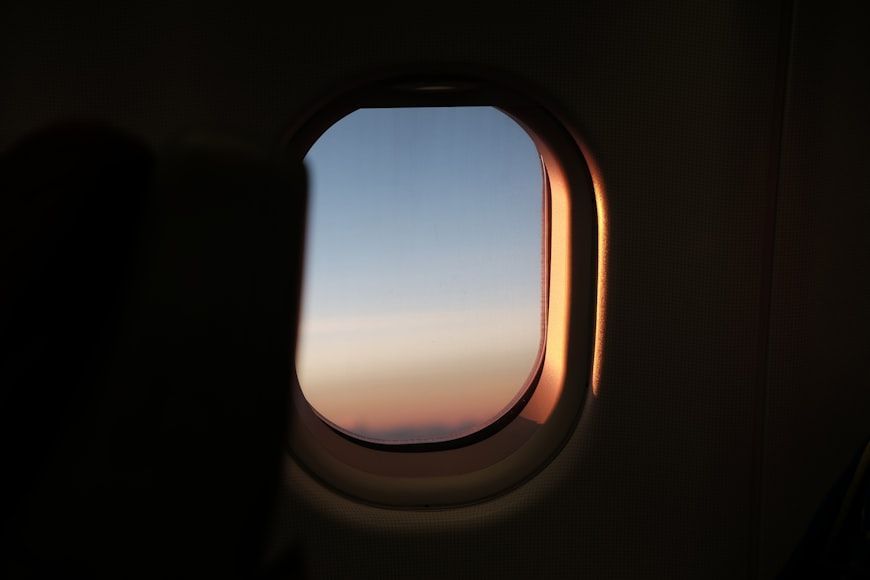 Image: Lex Sirikiat
Airplane windows' typical rounded shape is not a random aesthetic choice, but a crucial safety feature. If windows were square, pressure would concentrate at the corners, increasing the risk of cracks or structural failure. On the other hand, rounded edges help distribute cabin pressure more evenly, making the aircraft safer.
Food tastes different
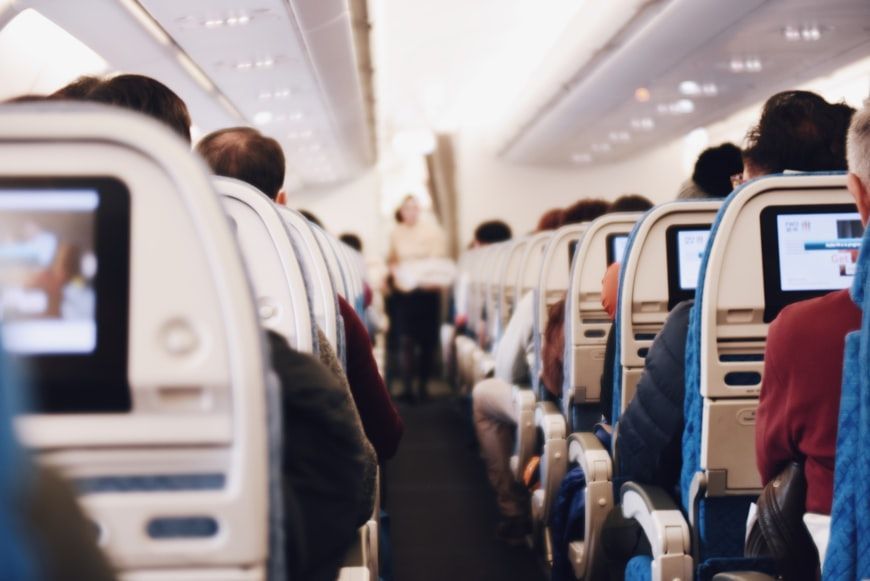 Image: Suhyeon Choi
If you’ve ever flown on an airplane, you’ve probably tried the food on board. Many people don’t realize it, but food actually tastes different at high altitudes. That’s because our sense of taste and smell is altered in flight, as airplane cabins have lower air pressure and very low humidity. According to studies, sensitivity to sweet and salty flavors can drop by around 20–30% during a flight.
Pilots can not share their meals
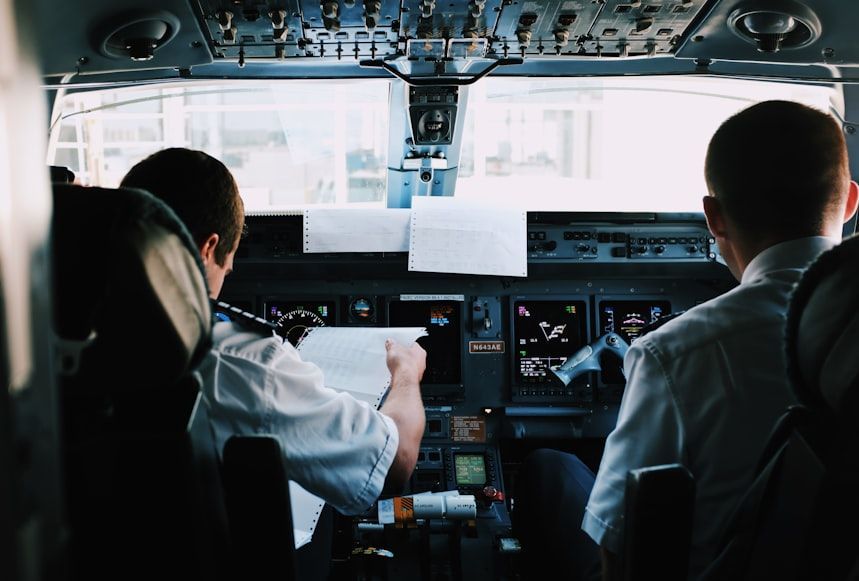 Image: Blake Guidry
Although it doesn’t happen on all airlines, many have a rule that catches your attention at first glance: pilots on the same flight can’t share their meals. That’s right! Each pilot eats a different meal, and there’s a good reason for it. If one were to suffer indigestion or food poisoning, the other would still be fit to fly.
Wildlife management teams
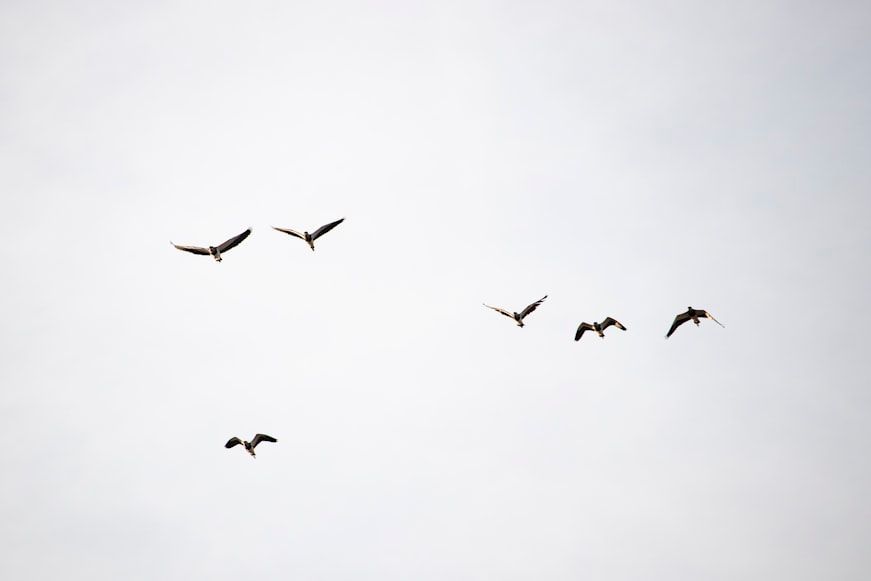 Image: Julia Craice
Did you know that airports, especially large ones, hire wildlife management teams? You might wonder what animals have to do with airports, right? Well, it’s not just planes flying near airports; birds are there too, and they can be a real problem for aircraft engines. That’s why these teams are responsible for monitoring bird activity and animal movement on and around runways.
Why white?
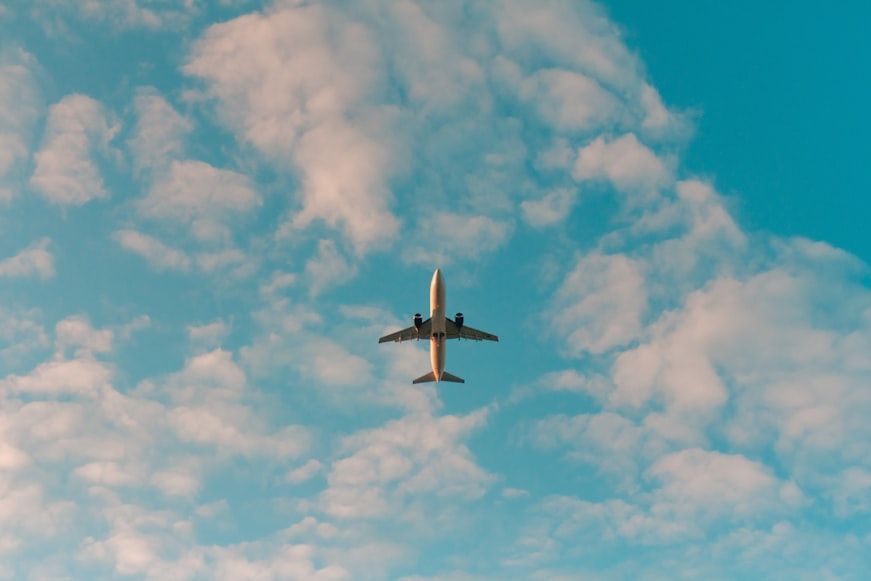 Image: Philip Myrtorp
It is no coincidence that most of the world’s aircraft are white. This color was chosen for several important reasons, related to safety and efficiency. In the first place, white reflects sunlight better, helping keep the aircraft cooler. It also makes planes more visible in the sky and from the ground, reducing the risk of collisions. In addition, cracks, oil leaks, and corrosion are easier to spot on a white surface. And finally, white paint is cheaper and adds less weight to the aircraft.
11,5%
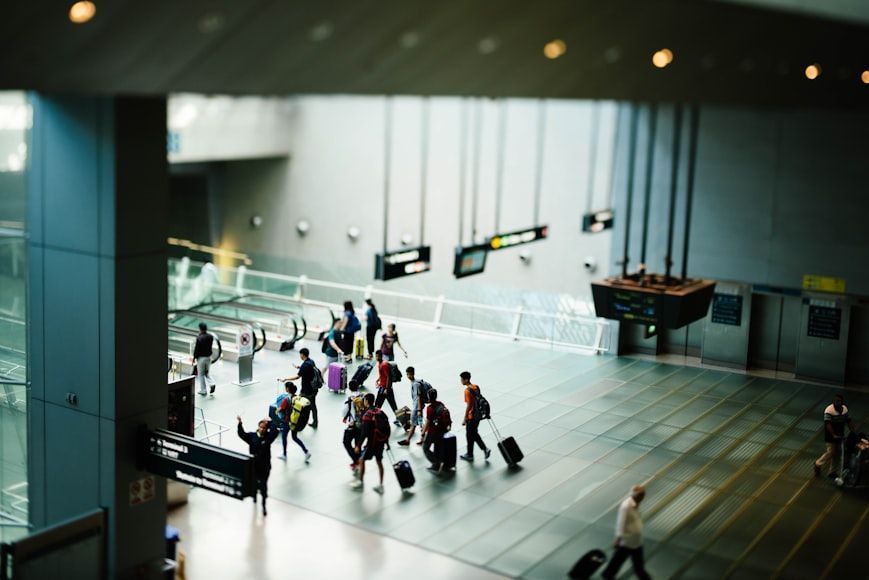 Image: CHUTTERSNAP
On average, passengers and all their luggage account for 11.5% of the total weight of a commercial flight. Among the heaviest items are fuel, which accounts for between 20 and 40% of the total weight, and, of course, the structure and fuselage, which account for between 40 and 50%.
The largest airline in the world
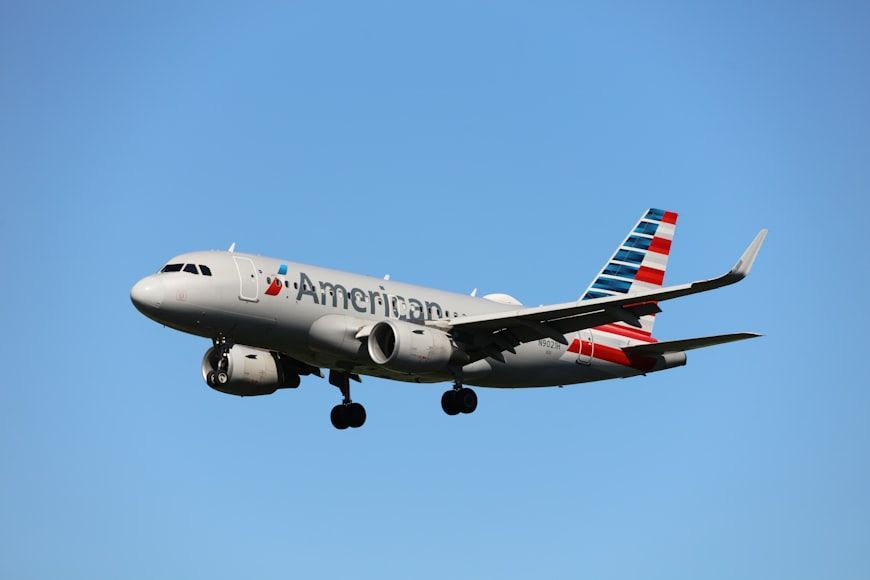 Image: Forsaken Films
The airline considered to be the largest in the world comes from our country! We’re talking about American Airlines, which ranks number one based on fleet size, total seats, number of flights, and passengers carried. To give you an idea of its scale, the airline operates about 6,800 flights every day, transporting more than 500,000 passengers daily.
Lightning
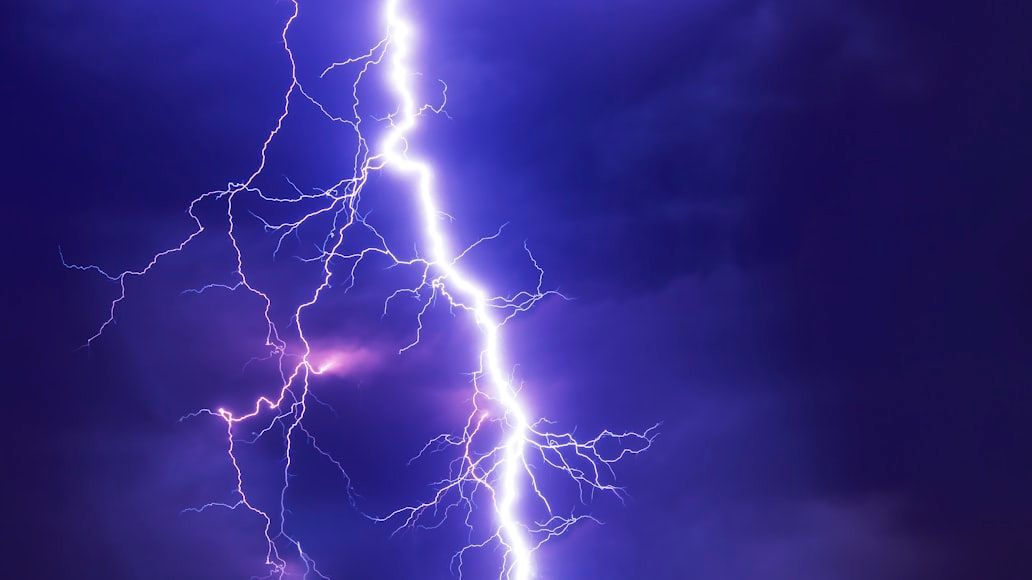 Image: Felix Mittermeier
Although it's best not to think about it, airplanes are struck by lightning much more often than you might imagine. In fact, a typical commercial jet is struck by lightning once or twice a year. Fortunately, airplanes are designed to handle this situation, diverting the electricity and keeping passengers, crew, and the entire aircraft safe.
More to explore
5 min read
Which of America's 10 massive state fairs should you visit first?
Read Now
5 min read
Ten famous masterpieces you can see without leaving America
Read Now
4 min read
Never do this in a hotel: 10 mistakes travelers make
Read Now
4 min read
10 essential packing tips for traveling across America
Read Now