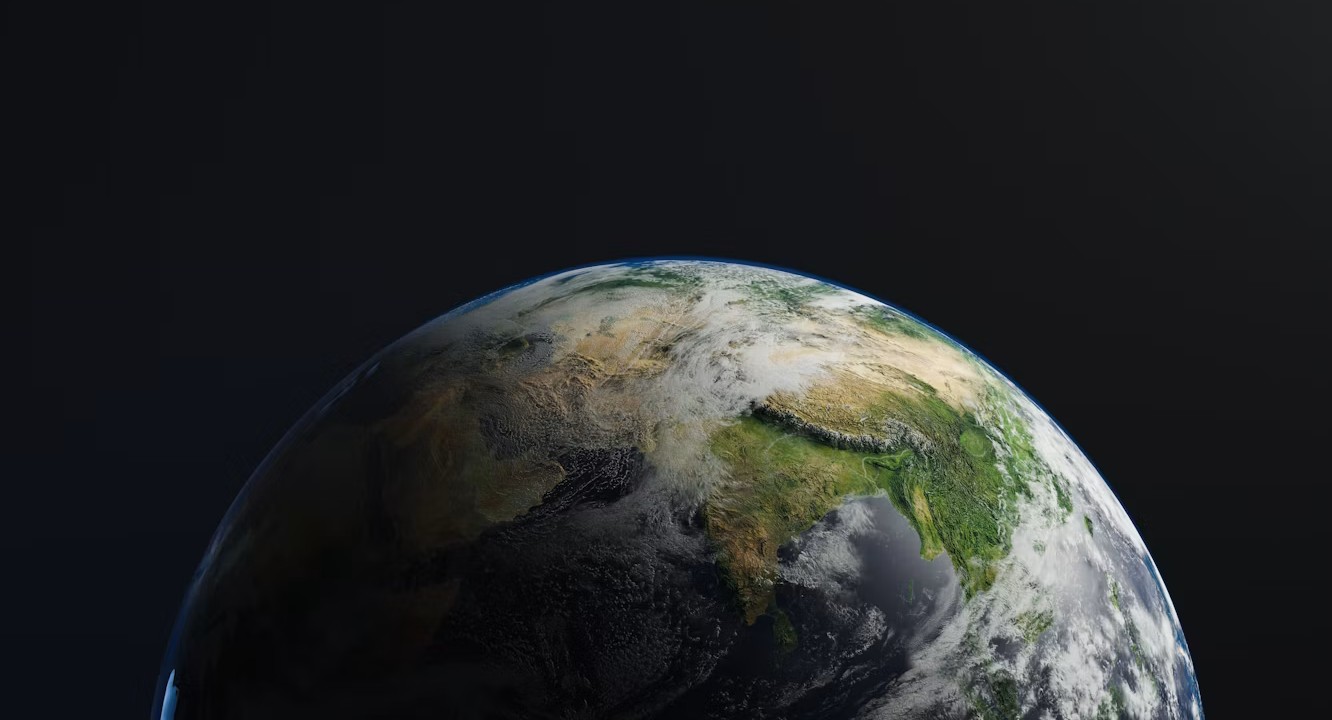
The places where nature takes everything to the extreme
 Geography
Where the world's records are made
The places where nature takes everything to the extreme
How hot can a place get? How much rain can fall in one year? And what lies nearly seven miles beneath the ocean? Around the world, there are places where heat, cold, altitude, rainfall and other natural forces reach astonishing extremes. From scorching deserts to frozen wilderness and hidden worlds beneath the sea, discover the remarkable places that push Earth’s natural limits to the edge.
Death Valley, USA: The hottest place on Earth
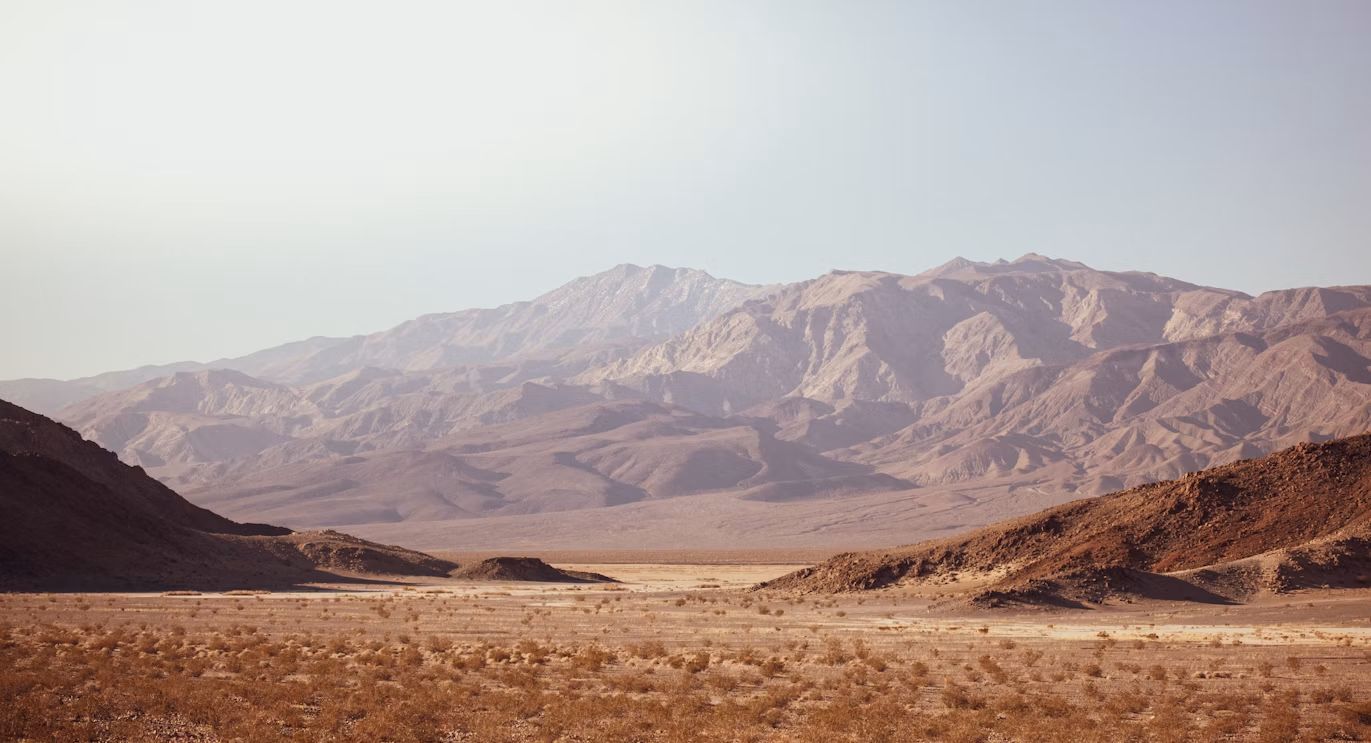
Located in eastern California, near the Nevada border, Death Valley is a vast desert valley within the northern Mojave Desert. Its low elevation and surrounding mountains trap hot air, while the dry climate and almost constant sunshine allow temperatures to rise dramatically. At Furnace Creek, the thermometer reached 134°F in 1913, the highest air temperature ever officially recorded on Earth.
Despite its name and harsh conditions, Death Valley isn't completely barren. More than 1,000 species of plants have been documented in the national park, and after periods of unusual rainfall, wildflowers can cover parts of the desert floor. The area also has salt flats, dunes and colorful rock formations, making it one of America's most unusual landscapes.
Vostok Station, Antarctica: The coldest place ever recorded
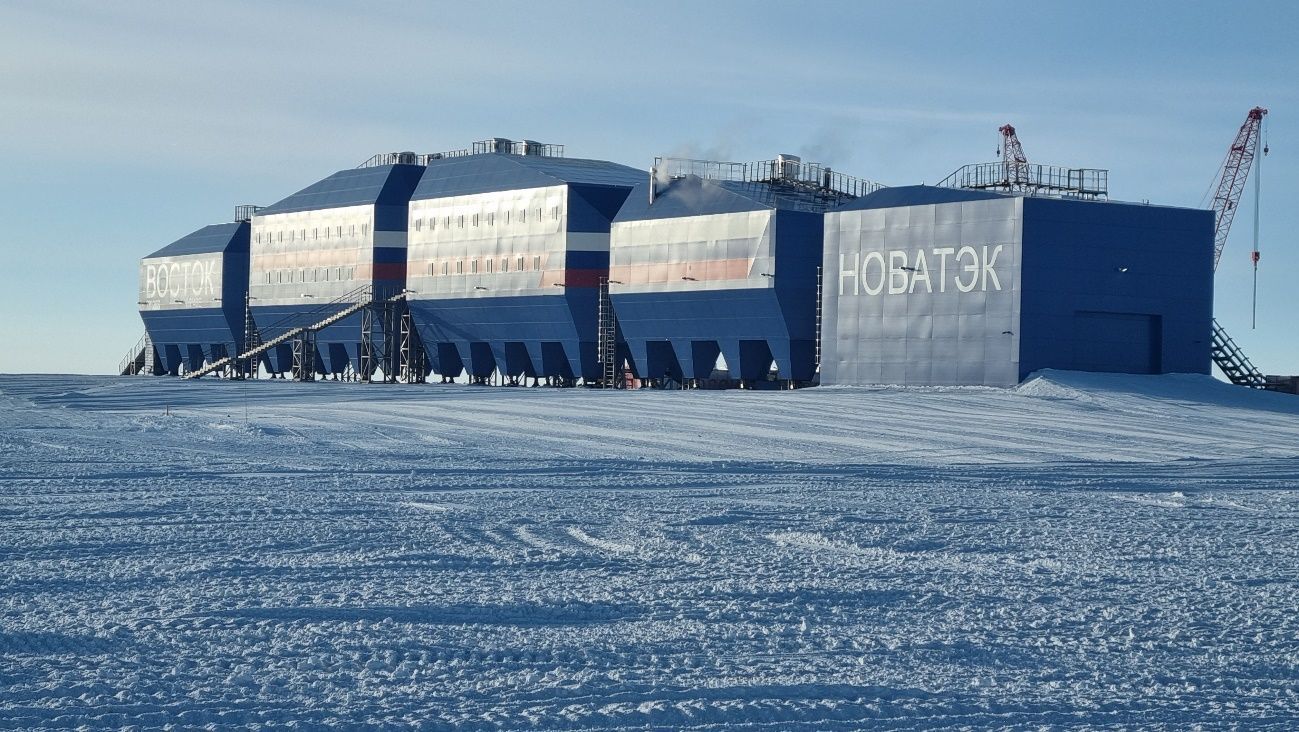
Vostok Station is a Russian research facility located near the center of the East Antarctic Ice Sheet, about 800 miles from the South Pole, sitting more than two miles above sea level. Its location is a major reason for the extreme cold: the high elevation, extremely dry air, and months of darkness during the Antarctic winter allow temperatures to fall far below anything experienced in most populated places.
On July 21, 1983, the temperature dropped to -128.6°F, the lowest air temperature ever officially recorded on Earth. Scientists at Vostok have also drilled deep into the Antarctic ice, uncovering ancient ice that preserves clues about Earth's climate hundreds of thousands of years ago.
Atacama Desert, Chile: The driest non-polar place
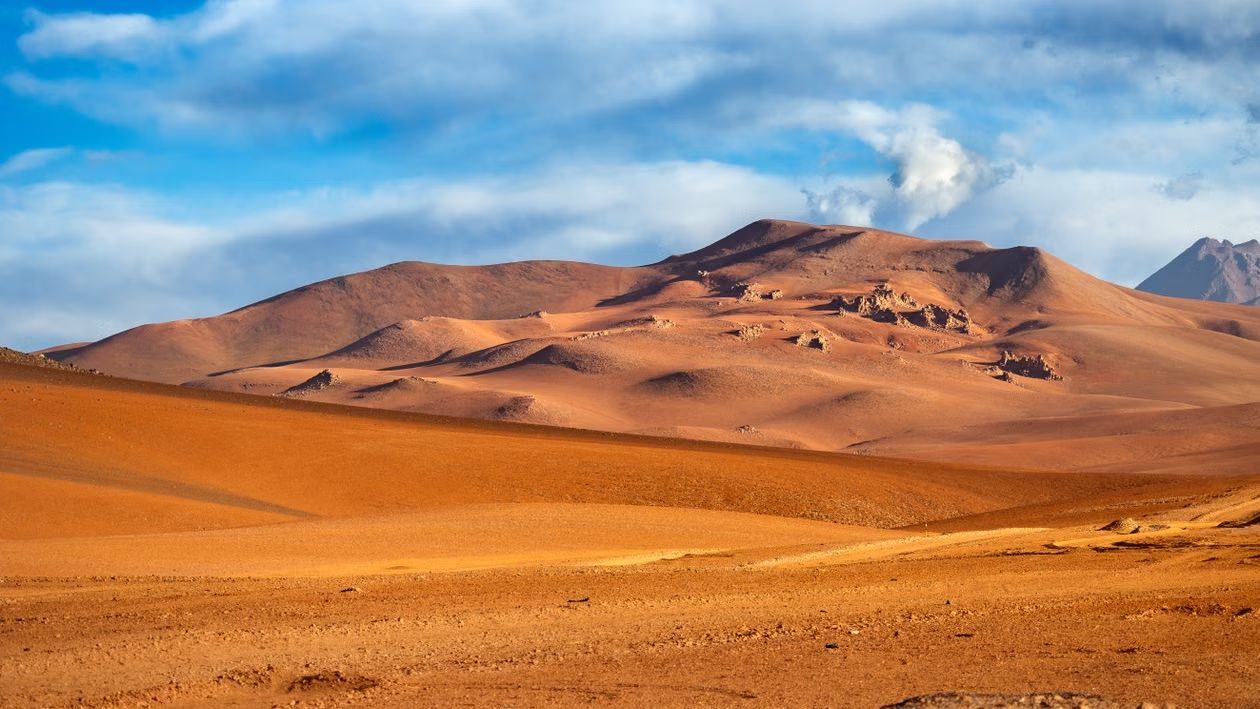
The Atacama Desert stretches along northern Chile between the Pacific Ocean and the Andes Mountains. Some parts receive almost no rain because the Andes block moist air from the east, while the cold Humboldt Current off the coast helps prevent clouds from producing significant rainfall.
The desert is so dry and barren that scientists have compared some areas to the surface of Mars. NASA has even used the Atacama to test instruments and techniques for future Mars missions. Yet the region isn't entirely lifeless: hardy plants and microorganisms have adapted to survive in one of Earth's most unforgiving environments.
Mount Everest: The highest point on Earth

Mount Everest rises to 29,032 feet above sea level in the Himalayas, on the border between Nepal and China. Its extreme altitude means there is far less oxygen near the summit than at sea level, while freezing temperatures, high winds, and sudden storms make climbing especially dangerous. Still, hundreds of climbers reach the summit each year, though the number varies with weather and climbing conditions.
Everest's summit is the highest point on Earth's surface above sea level, but it isn't the point farthest from Earth's center. That distinction belongs to Mount Chimborazo in Ecuador, because Earth bulges slightly around the Equator. Still, no other mountain rises higher above sea level than Everest.
Mawsynram, India: The wettest place on Earth
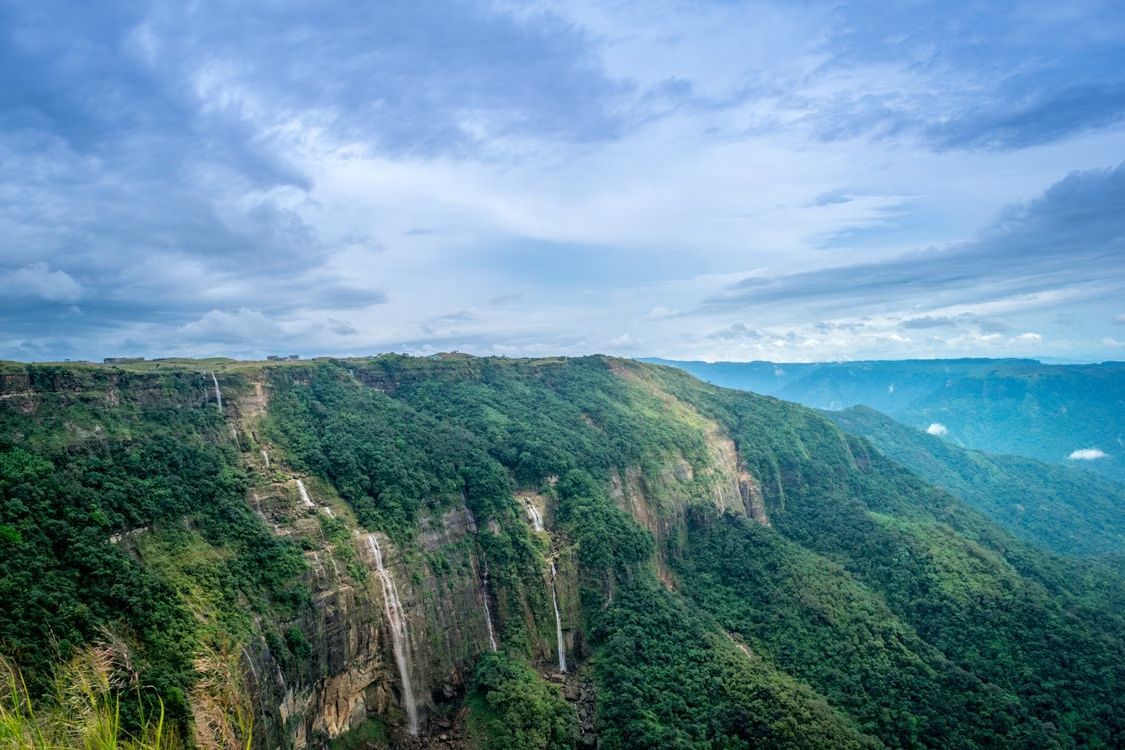
Mawsynram is a village in the Khasi Hills of Meghalaya, a state in northeastern India. Its location on the southern slopes of the hills puts it directly in the path of moisture-filled monsoon winds from the Bay of Bengal. When those winds hit the hills, they are forced upward, causing huge amounts of rain to fall.
Mawsynram receives around 460 inches of rain in an average year. That's roughly the height of a 38-foot-tall building in rainfall. Mawsynram is home to roughly 4,000 people, who have adapted to the region's exceptionally wet climate by using traditional bamboo rain covers and specially designed roofs to withstand its enormous downpours.
The Dead Sea: Earth's lowest exposed land
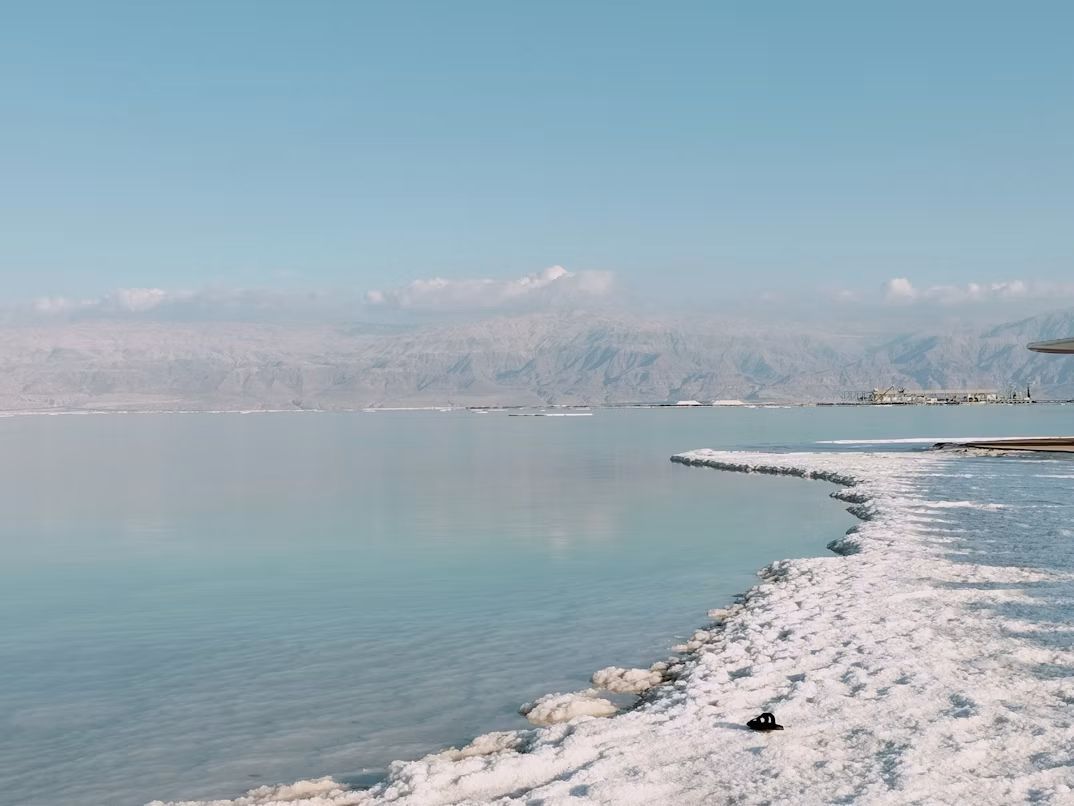
The Dead Sea lies between Jordan and Israel, in a deep valley formed by geological activity. Its shoreline is about 1,400 feet below sea level, making it the lowest exposed land surface on Earth. The lake has no outlet, so intense evaporation leaves behind an exceptionally high concentration of salt and minerals.
The water is so salty that most aquatic life cannot survive there, which helps explain the name "Dead Sea." That same saltiness makes the water unusually buoyant, allowing swimmers to float with little effort. The surrounding landscape is equally dramatic, with desert mountains rising around the unusually low lake.
Challenger Deep: The deepest point on Earth
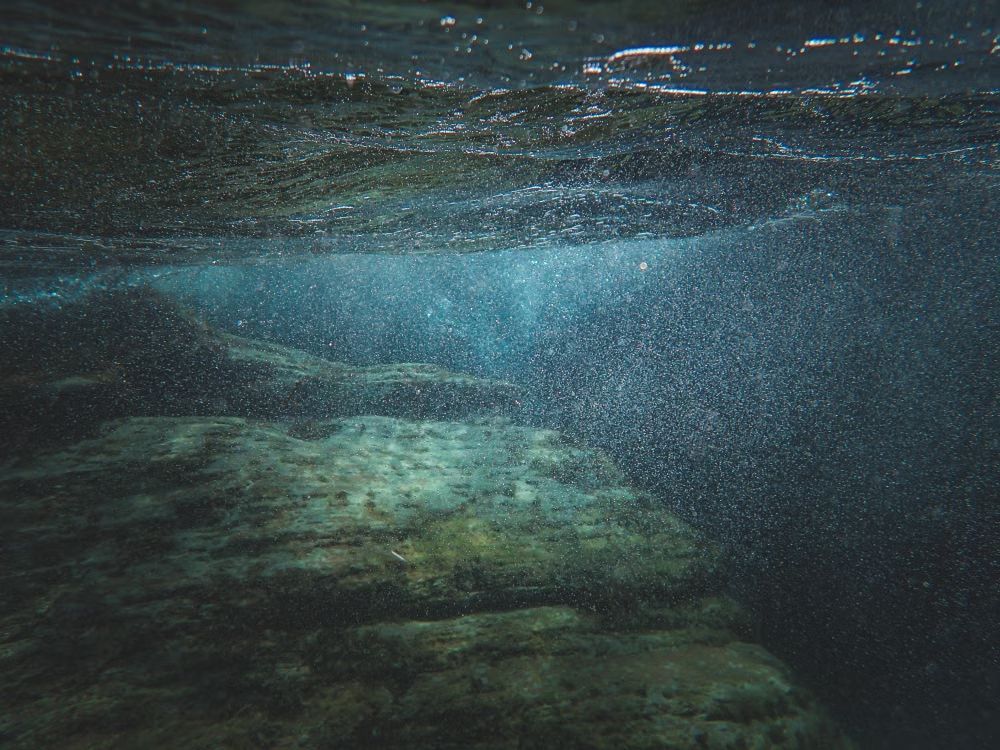
Challenger Deep is located at the southern end of the Mariana Trench in the western Pacific Ocean, roughly 200 miles southwest of Guam. It is essentially a deep depression in the seafloor, reaching about 36,000 feet below the ocean's surface, deep enough to fit Mount Everest with more than a mile of water still above its summit.
At that depth, the pressure is more than 1,000 times greater than at sea level, making exploration extremely difficult. The name comes from the British research ship HMS Challenger, whose crew first measured the trench's depth in 1875. Scientists have also discovered organisms such as shrimp-like amphipods, sea cucumbers, and giant single-celled organisms called xenophyophores living at these enormous depths, showing that life can survive under conditions that seem impossible
Salar de Uyuni, Bolivia: The world's largest salt flat
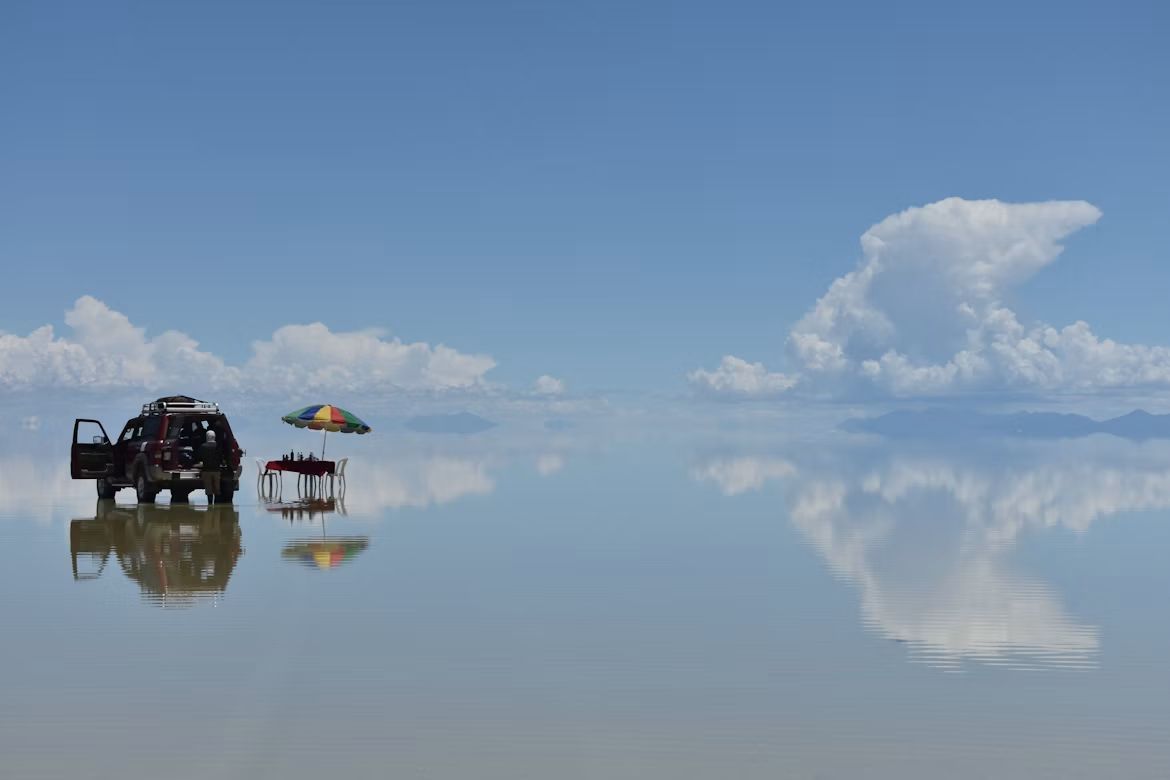
Salar de Uyuni covers more than 4,000 square miles in southwestern Bolivia, making it the largest salt flat on Earth. It formed when prehistoric lakes dried up, leaving behind a vast layer of salt and minerals. At more than 12,000 feet above sea level, the bright white surface stretches so far that it can be difficult to tell where the ground ends and the sky begins.
During the rainy season, a thin layer of water can cover the salt, creating an enormous natural mirror. The effect is so striking that the horizon can almost disappear. Beneath the surface, the salt flat also contains large deposits of lithium, an important material used in modern batteries.
The Amazon Rainforest: Earth's largest tropical rainforest
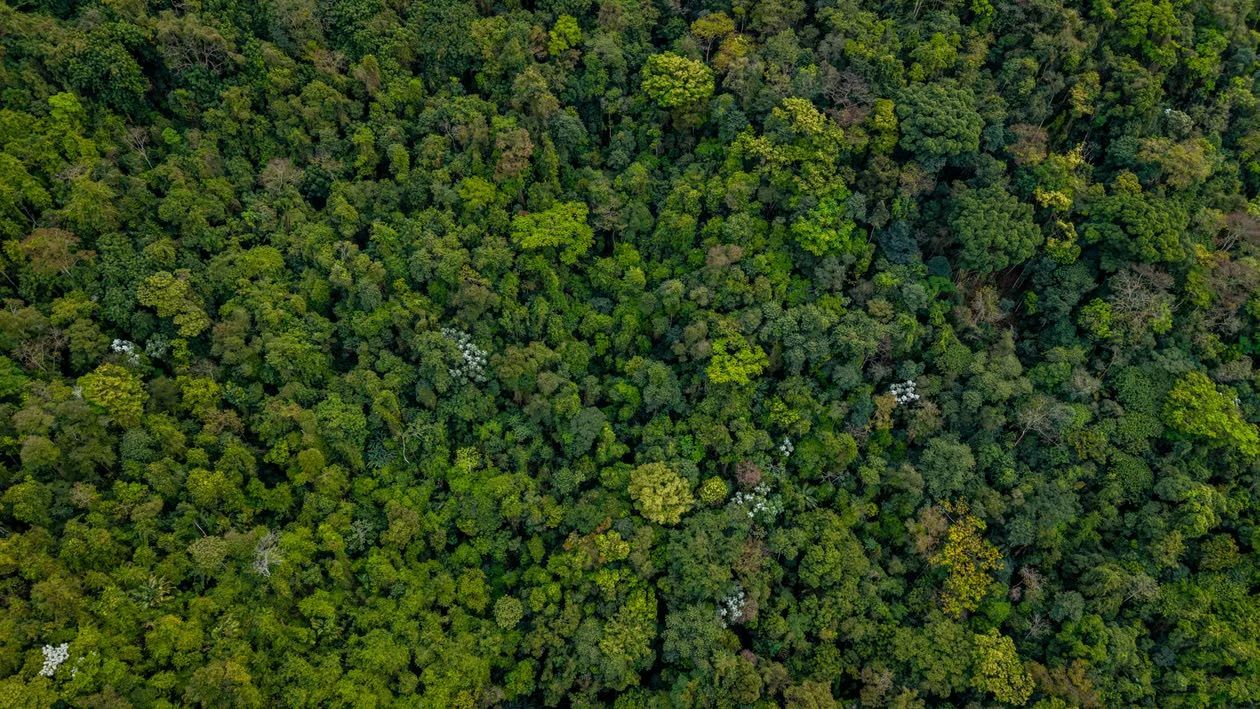
The Amazon stretches across nine South American countries, with the largest portion located in Brazil. Covering roughly 6.5 million square kilometers, it is the world's largest tropical rainforest. Often called "the lungs of the planet," it plays an important role in the global carbon cycle and helps influence temperatures and rainfall on a much larger scale. Its warm, humid climate and enormous river system create ideal conditions for an extraordinary variety of plants and animals.
The Amazon is home to species ranging from jaguars and giant river otters to pink river dolphins and countless insects. It also contains an enormous network of rivers, including the Amazon River itself. Rather than having one single extreme feature, the rainforest's distinction comes from its sheer size and incredible biological diversity.
Angel Falls, Venezuela: The world's highest uninterrupted waterfall
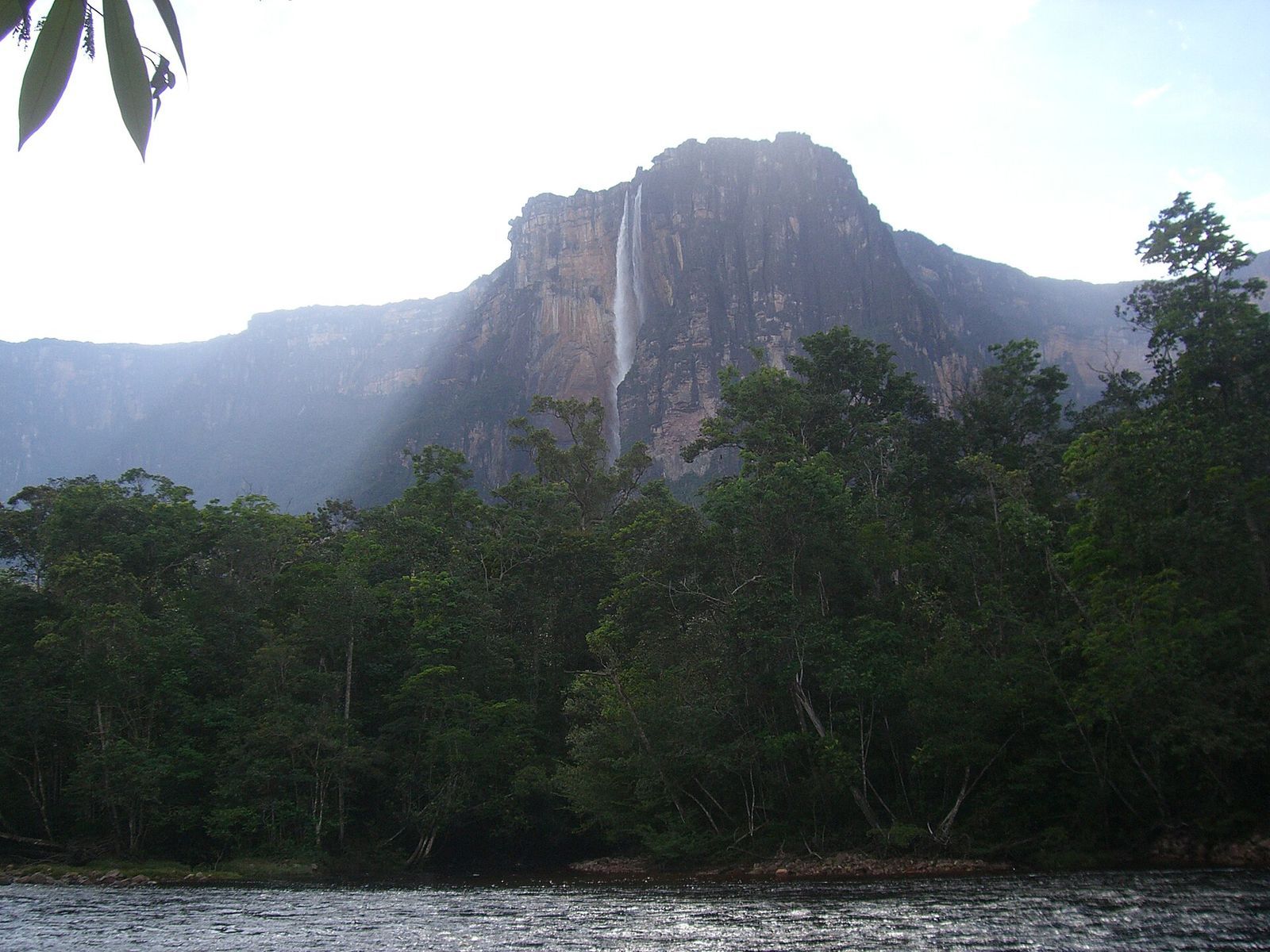
Angel Falls is located in Venezuela's Canaima National Park, where water plunges from the top of Auyán-tepui, one of the region's distinctive flat-topped mountains. The waterfall has a total height of 3,212 feet, with its longest uninterrupted drop measuring about 2,648 feet, making it the world's highest uninterrupted waterfall.
Because the falls are deep in a remote area of the Venezuelan rainforest, getting there can be an adventure of its own. The waterfall is named after American pilot Jimmy Angel, who famously landed his plane on top of Auyán-tepui in 1937. The aircraft became stuck, leaving Angel and his companions stranded. They eventually reached safety after an 11-day journey on foot. The plane remained there for more than 30 years before being removed in 1970.

10 incredible times when humanity chose peace
 History
10 incredible times when humanity chose peace
News broadcasts are terrible, and they can often feel overwhelming; yet, history quietly tells another story. Again and again, across generations, people have faced conflict and chosen a different path—many have chosen peace. So whenever you’re feeling a little disillusioned or disheartened, let this be your reminder: Humanity has found its way back to the light before. Here are 10 incredible times we did exactly that.
The famous Christmas Truce

During World War I, the Christmas Truce became one of history’s most powerful symbols of shared humanity. In the middle of a brutal holiday season, soldiers on both sides prioritized the basic need to come together.
Across the trenches, British and German soldiers laid down their weapons, began singing Christmas carols to one another, and walked across to meet in what was known as ‘No man’s land’. In an incredible pause of conflict, they gave each other gifts, played soccer, and even helped one another bury their fallen dead together.
Apollo 11 Moon Landing
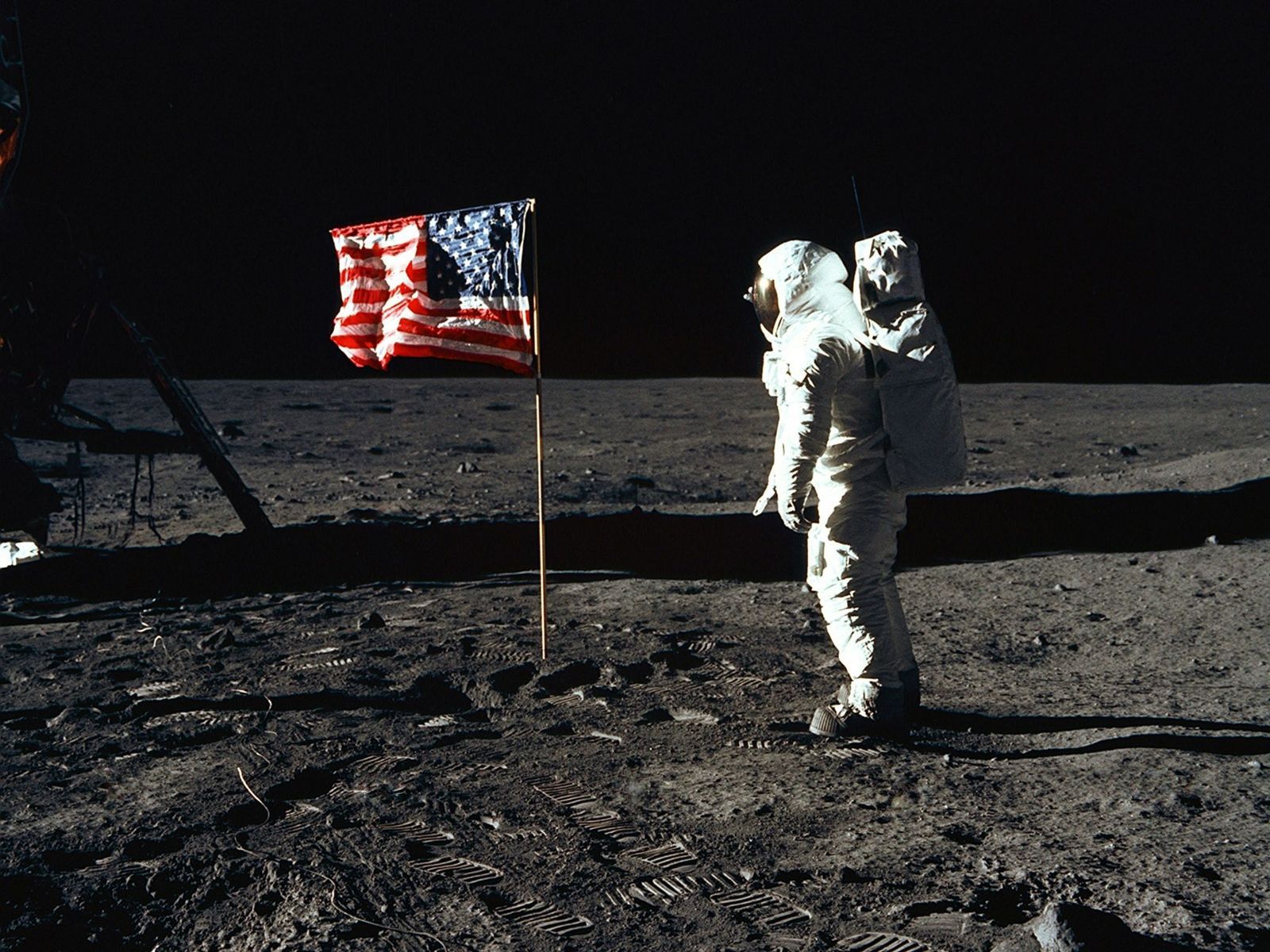
The Apollo 11 moon landing in 1969 was a profoundly symbolic moment for humanity; it was the first time a person set foot on the moon. To honor this milestone, the astronauts took goodwill messages from across the globe, representing mankind in the universe.
Etched onto a tiny, 1.5-inch silicon disc, 73 messages were sent from international world leaders. The disc was left on the surface of the Moon with a simple yet powerful inscription: "Goodwill messages from around the world brought to the Moon by the astronauts of Apollo 11".
The fall of the Berlin Wall

On November 9th, 1989, a fractured world came together after decades of tension. That evening in Berlin, for the first time in 28 years, crossing between East and West was permitted for everyone. This was the symbolic beginning of a united world, leading up to the wall's demolition.
Beyond the joy it brought to so many people, this historic moment was also a key stepping stone toward the end of the Cold War shortly thereafter. As the famous saying goes: It’s easy to enter into conflict, but not so easy to get out of it. That’s why those in favor of peace rejoiced.
Live Aid Event

During Live Aid, held in July 1985, millions united through music to help people they didn’t know: it was a fundraising effort in response to the 1983-1985 famine in Ethiopia. The concert took place simultaneously at Wembley Stadium in London, United Kingdom, and John F. Kennedy Stadium in Philadelphia, United States.
It was inspired by the thought-provoking song: "Do they know it's Christmas?", released in December 1984. The piece was written by Bob Geldof and Midge Ure, and performed by the charity supergroup Band Aid.
This sparked a series of concerts across the globe: Australia, Austria, Canada, Japan, the Soviet Union, West Germany, and Yugoslavia, making it one of the largest satellite link-ups of human history. Nearly 40% of the worldwide population watched the event.
1995 Rugby World Cup Final

The 1995 Rugby World Cup Final was a crucial moment in Nelson Mandela’s efforts to unite a divided nation, South Africa, through sport. Only a year before, he had become the first elected president after years of a segregationist political regime called Apartheid.
The match was held at Johannesburg Ellis Park Stadium, and history was made by Mandela arriving wearing the traditional green and yellow rugby jersey. Historically, it was only worn by white people and was associated with white oppression. He also handed the cup to the white captain, Francois Pienaar.
The rallying cry behind this gesture was ‘One Team, One Country’, and it was a signal to the black majority that they were also a part of the nation, avoiding what seemed to be a looming civil war.
Good Friday Agreement
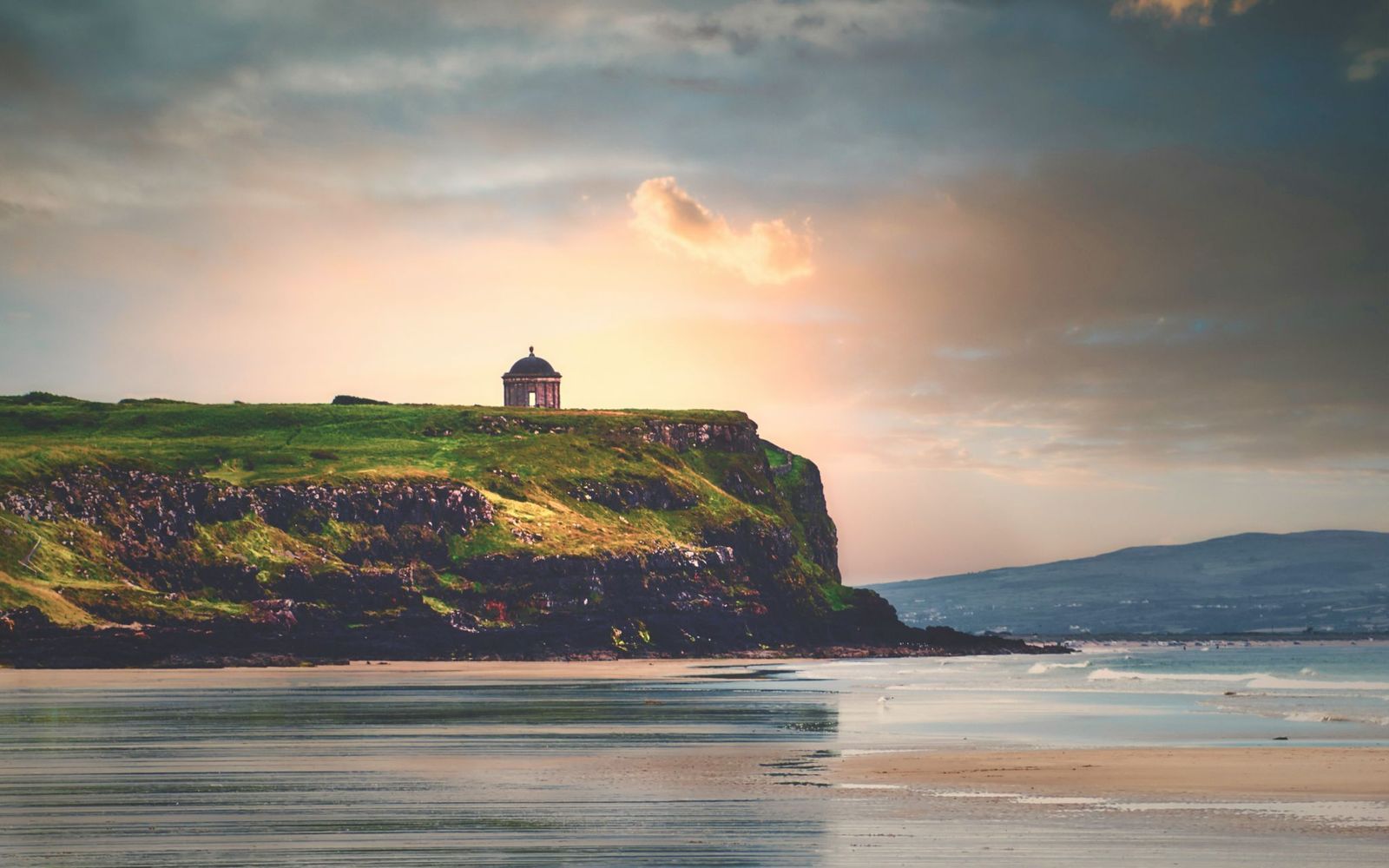
Also known as the Belfast Agreement, this 1998 document was an unexpected response to decades of violence, giving way to a compromise that seemed completely impossible before.
It was a treaty which finally ended 30 years of non-stop violence in Northern Ireland, also known as The Troubles, which established the following three points to maintain the peace: The land would remain a part of the United Kingdom—unless the population of Northern Ireland and Ireland voted otherwise—, residents of the area can choose both (British or Irish) or either nationality, and a power-sharing government was established (Nationalists and Unionists).
Antarctic Treaty
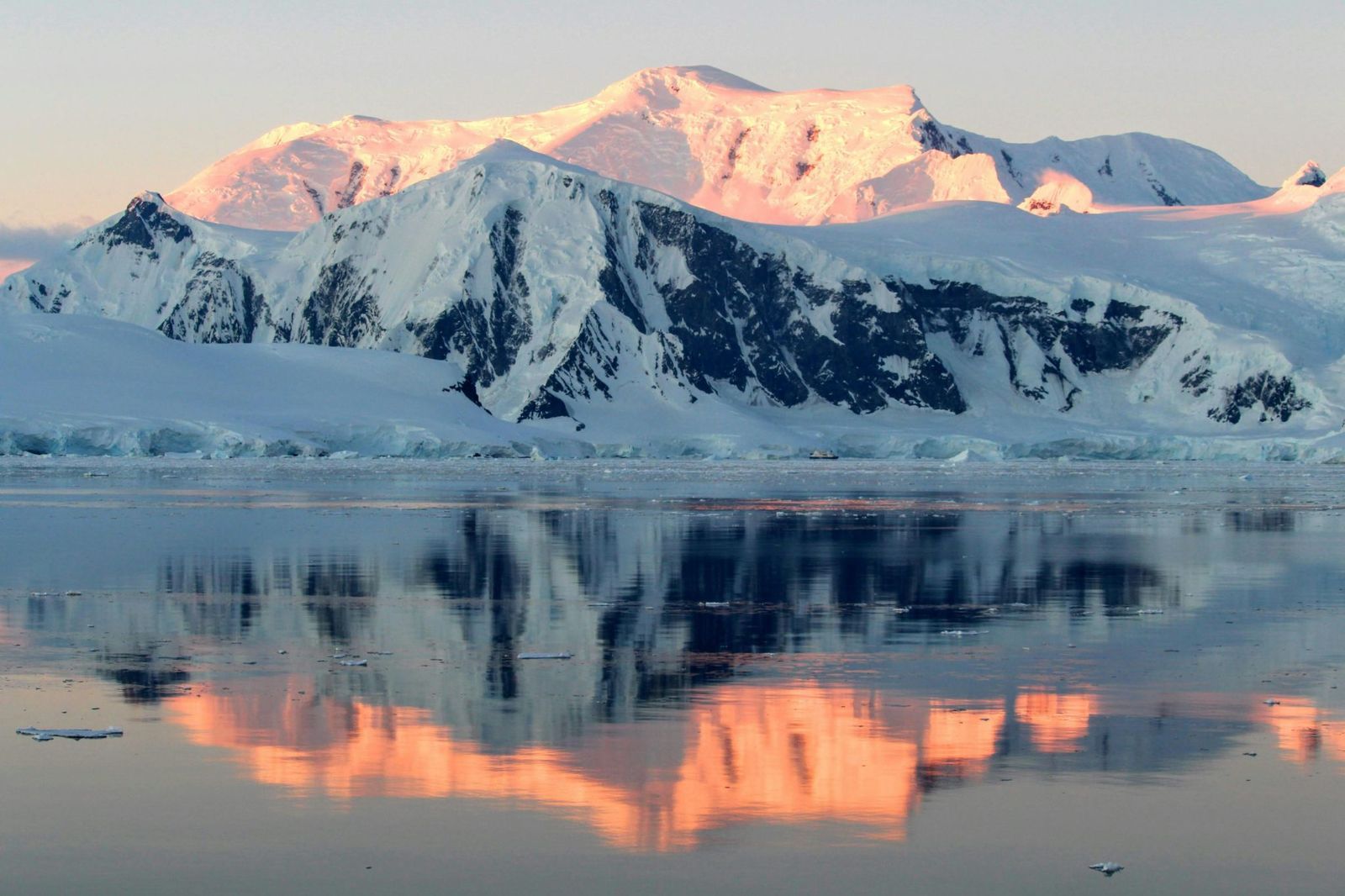
The Antarctic Treaty was originally signed in Washington on December 1st, 1959, by twelve nations. Each of these countries, many with overlapping territorial claims, had scientists working across Antarctica during the International Geophysical Year (1957-1958).
The Treaty declared the region for peaceful purposes only. More specifically, Antarctica was established as a scientific preserve, banning all military activity. It also suspended all territorial disputes and prohibited nuclear explosions, as well as the disposal of nuclear waste.
Today, the Treaty has 58 signatories, which meet annually at the Antarctic Treaty Consultative Meeting, and Member nations can conduct inspections at any time to ensure compliance.
Voyager Golden Record
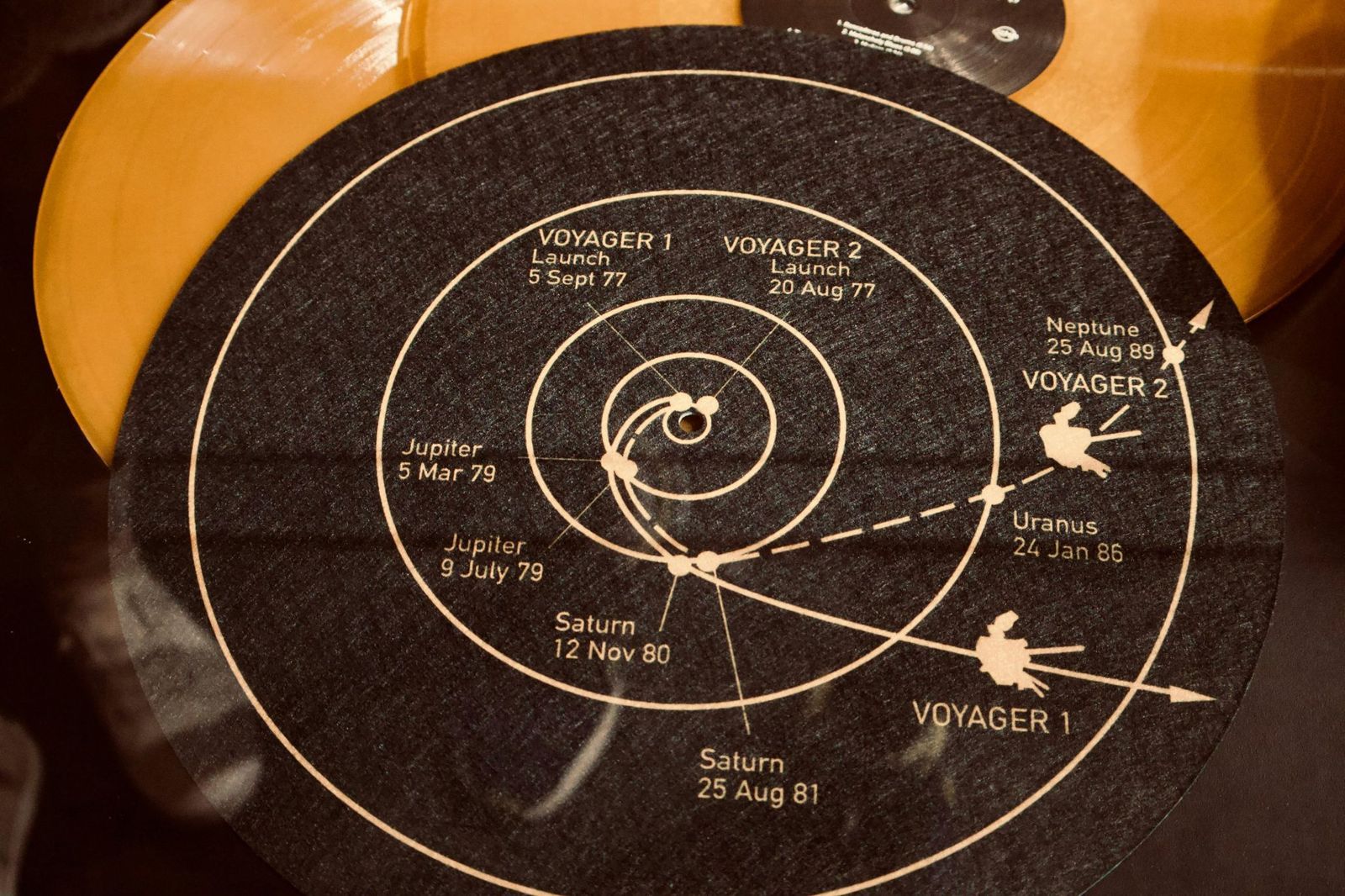
The Voyager Golden Record, launched into space in 1977, was designed as a message of peace and friendship, representing the best of humanity in the cosmos.
This project was led by the astronomer Carl Sagan. The record contains 116 images, as well as a variety of sounds such as animal sounds, spoken greetings in 55 languages, footsteps, laughter, and more.
The ultimate aim was to portray goodwill on behalf of planet Earth and its inhabitants, encouraging peaceful diplomacy, inspiring hope, and making it a symbol of unity and the future.
Ancient Olympic Truce
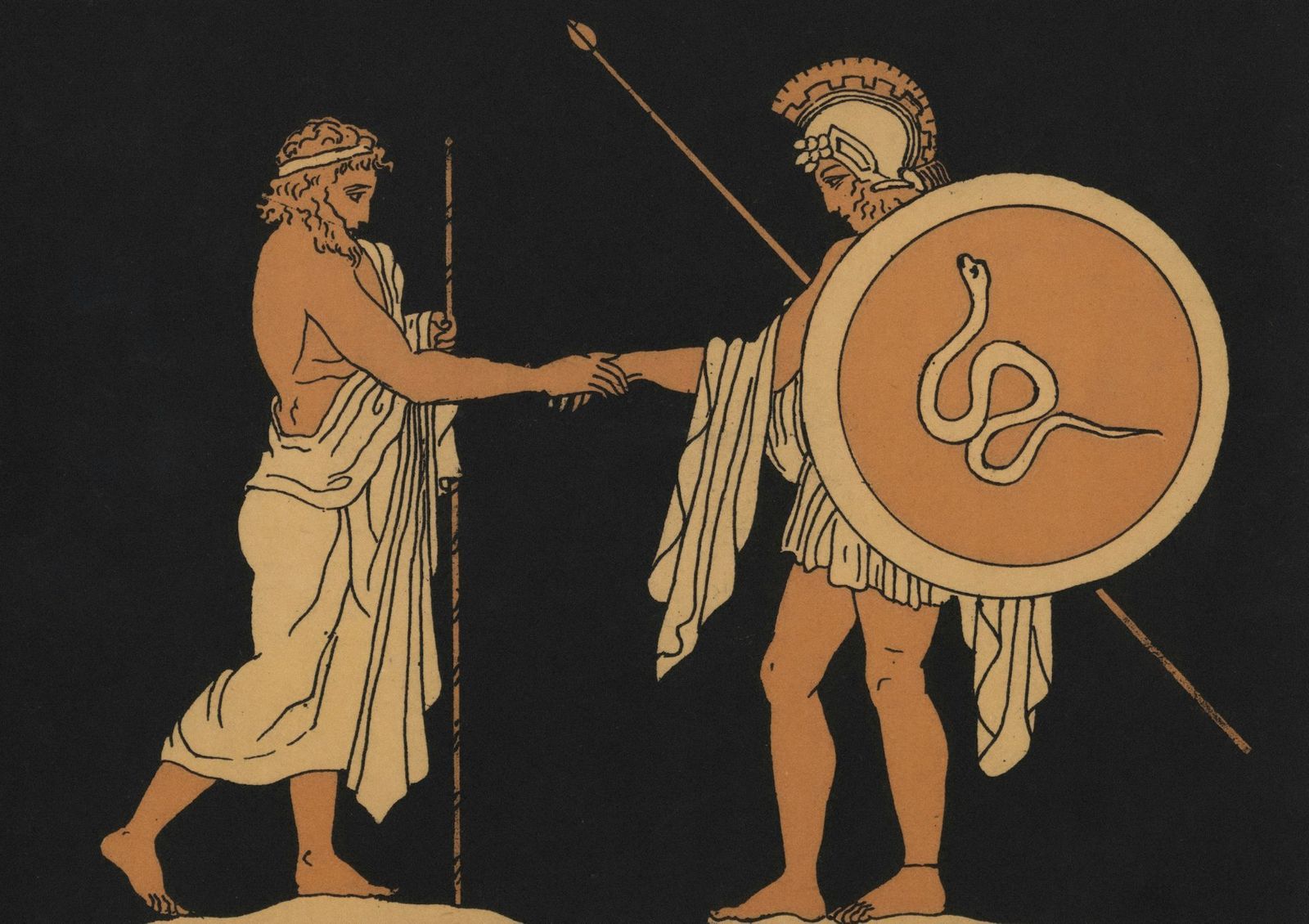
During the Ancient Olympic Truce, also known as the ekecheiria —which means ‘the laying down of arms’ in Greek_—_wars were paused so participating athletes and spectators could cross enemy lines safely and compete in peace.
The tradition began in the 9th century BC, and in 1992 the International Olympic Committee decided to revive it. The United Nations also supported the effort, highlighting it as a global symbol of peace through sport.
The creation of the League of Nations and the United Nations
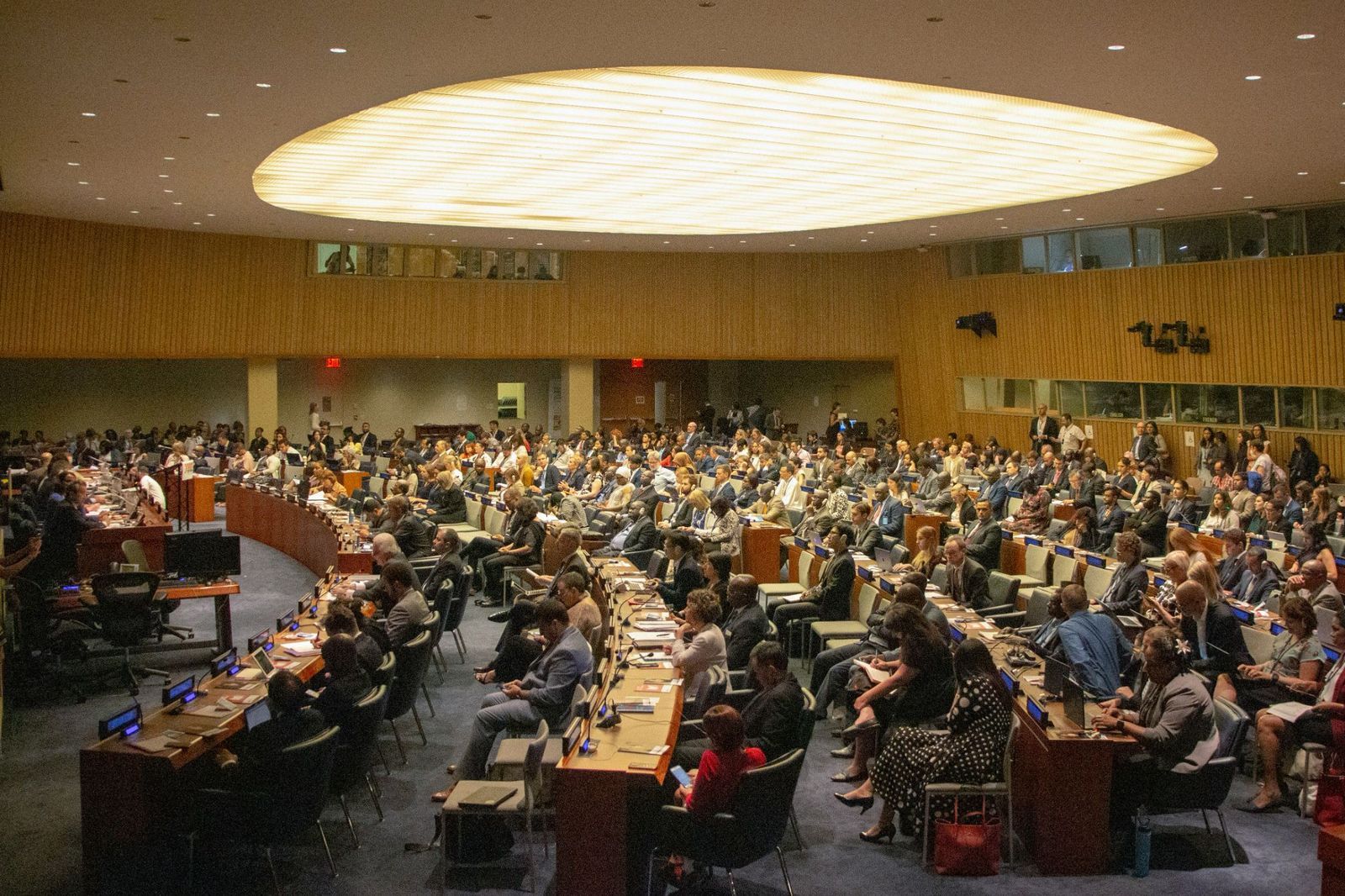
The creation of these two organizations was the first global effort to prevent war, following World War I and World War II.
The League of Nations was the first global intergovernmental attempt, but it ultimately failed to prevent WWII. For this reason, it evolved into the United Nations, which was officially established in 1945 with a stronger and more effective enforcement structure.
Today, it has representatives from almost all countries, who can sit and discuss global issues in the hope of avoiding or resolving war, making it worth our admiration and support.
Keep wandering
There’s always
more to explore

How many time zones does the United States have?
5 min.
Read Now

Meet the world's strangest Christmas traditions and the tales behind them
6 min.
Read Now
 Culture

The bizarre reason there are no restrooms within Disney's Liberty Square
6 min.
Read Now
 General

Why your watch should stay at home: 10 tips every traveler needs
5 min.
Read Now