That wasn't really the Moon: These sci-fi locations are spots on Earth
 Culture
Filming the stars
That wasn't really the Moon: These sci-fi locations are spots on Earth
Desert planets, rainbow skies, double suns... Science fiction films have always promised escape. When we see otherworldly landscapes like those frozen mountains in Interstellar or the endless golden dunes in Star Wars: A New Hope, we imagine that they were fabricated for the movies. But often that's not the case. Here are 10 spots on Earth that, as Hollywood has declared, look like they belong on other planets.
Death Valley, California, US
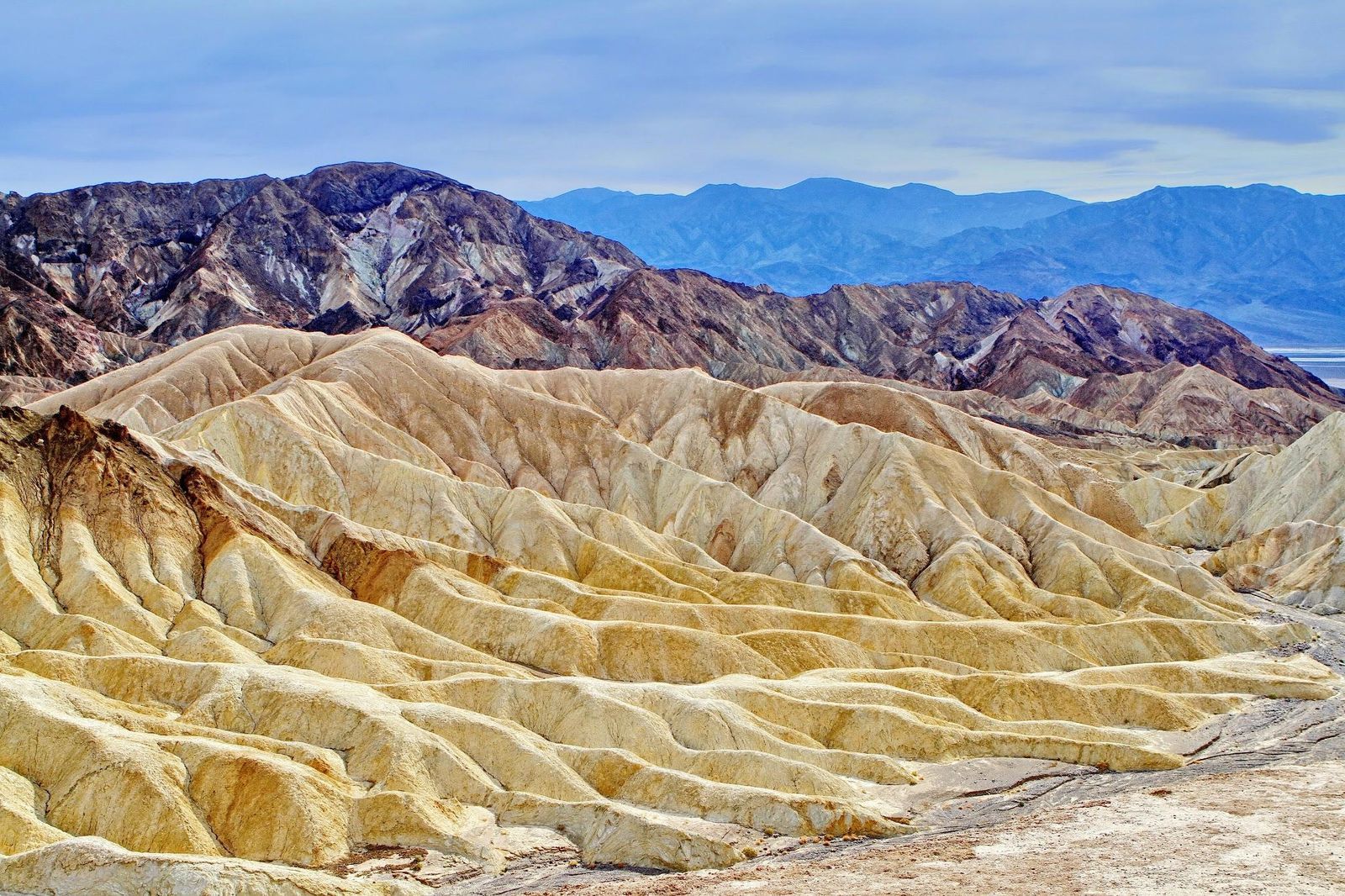
Few places on Earth look as convincingly alien as Death Valley National Park, which is exactly why it doubled as the desert planet Tatooine in Star Wars: Episode IV – A New Hope (1977). This George Lucas film used several real locations across Tunisia and the United States to build its now-iconic world.
In Death Valley, filming took place at striking spots like Zabriskie Point and Golden Canyon, pictured above. These scenes appear early in the story, as audiences are introduced to Luke Skywalker’s barren, sun-scorched homeworld.
Interestingly, the production’s impact on the fragile desert ecosystem led the National Park Service to restrict future film shoots, making Star Wars one of the last major productions allowed so much access to it.
Monument Valley, Arizona, US
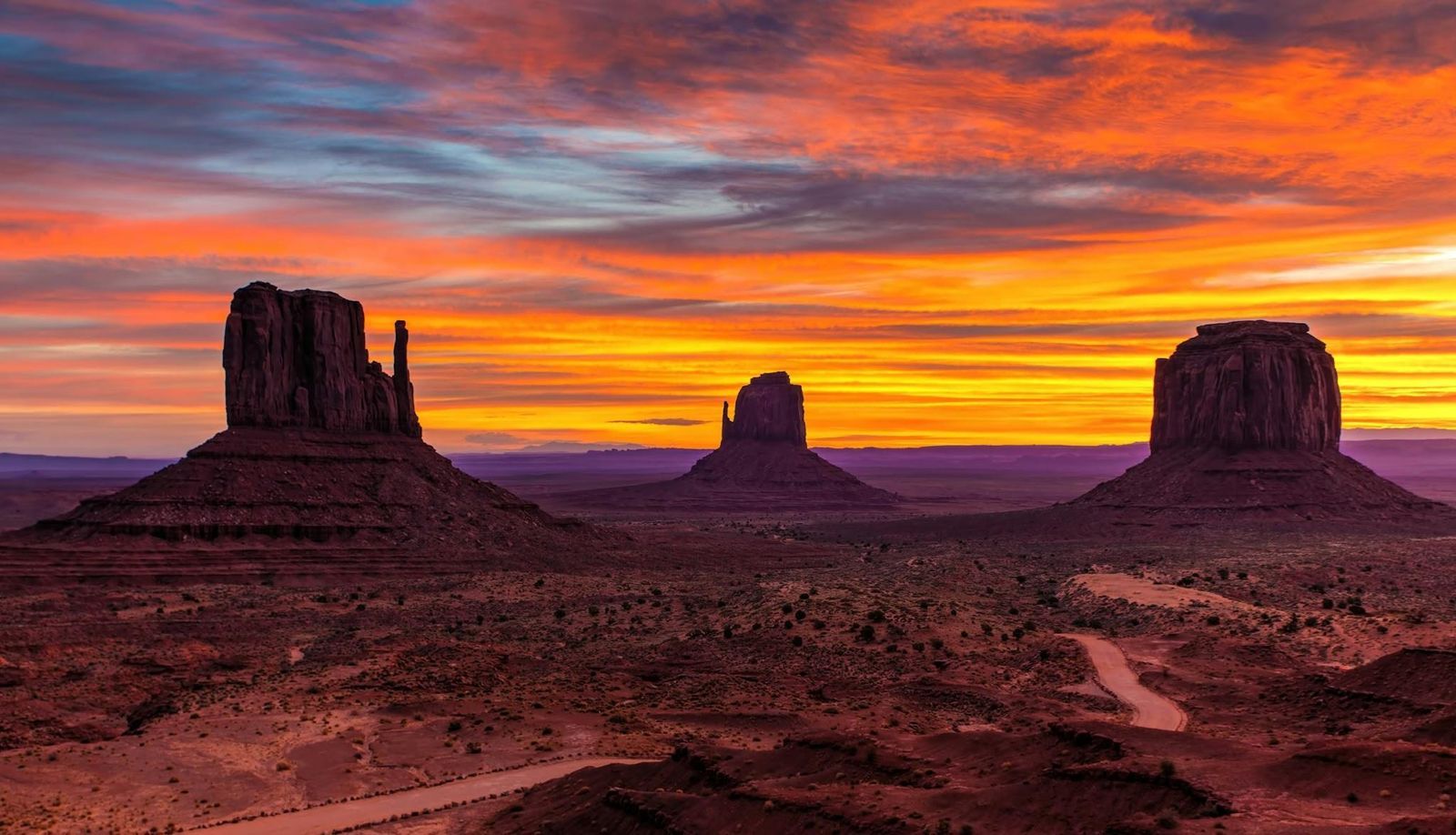
Directed by Stanley Kubrick and released in 1968, 2001: A Space Odyssey opens with the iconic "Dawn of Man" sequence, which shows footage of Monument Valley. These dramatic mesas were already famous from classic Westerns, but this 60s sci-fi movie repurposed them to suggest a prehistoric Earth that set the tone for a film obsessed with the future.
Matmata & Tataouine, Tunisia
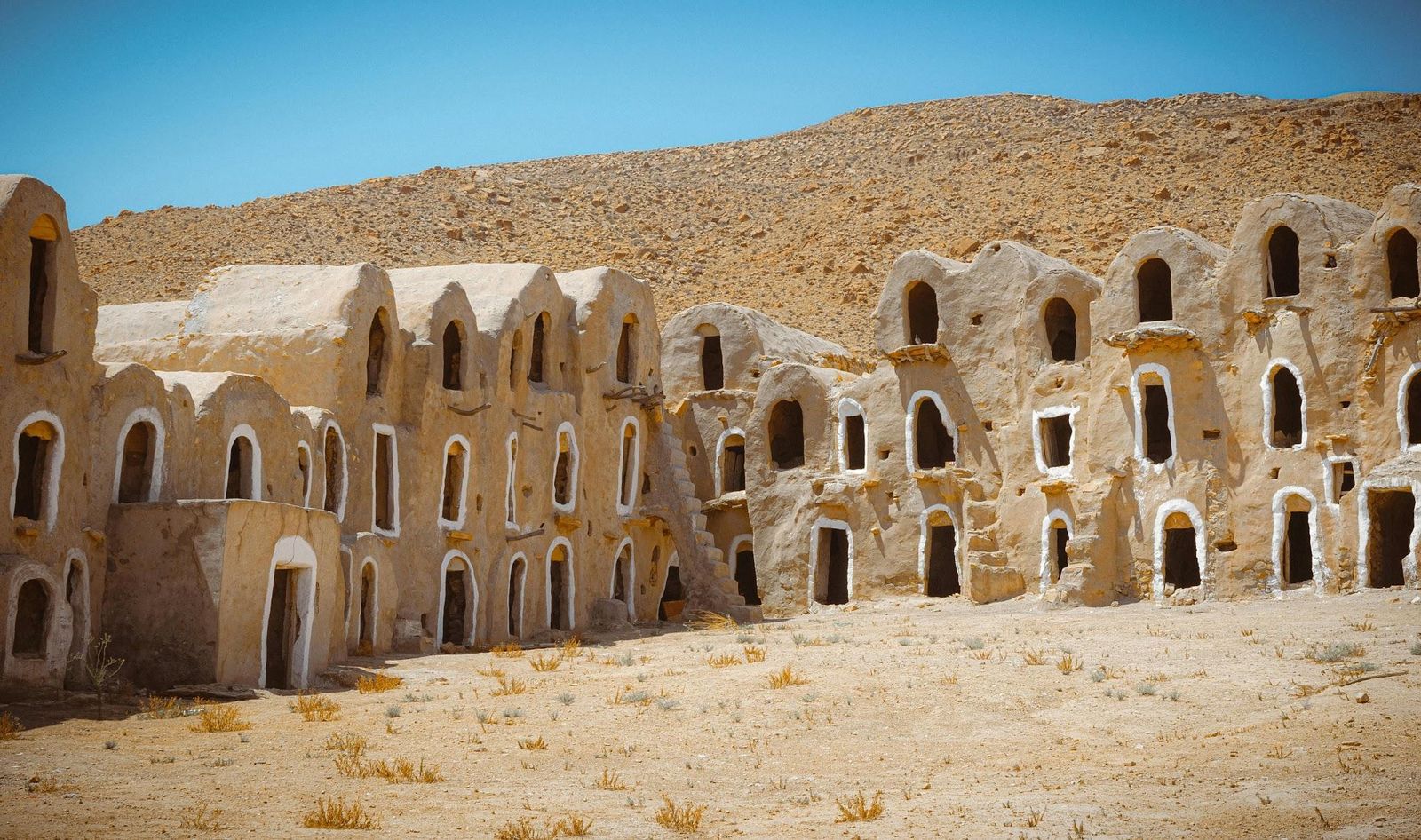
Long before CGI could conjure entire planets, George Lucas found "Tatooine" in the real deserts of Tunisia. The desert world was featured in Star Wars episodes IV, I, and II. The region of Matmata, with its troglodyte dwellings carved directly into the Earth, was built in Phoenician times (around 3000 bC). Their architecture was a clever design to avoid the desert heat.
The region of Tataouine didn’t just provide inspiration for the name of the fictional planet; Nearby desert locations, including salt flats like Chott el Djerid, were used for exterior shots: endless horizons, twin-sun vistas, and the harsh environment that defines Luke’s early life.
Devils Tower, Wyoming, US
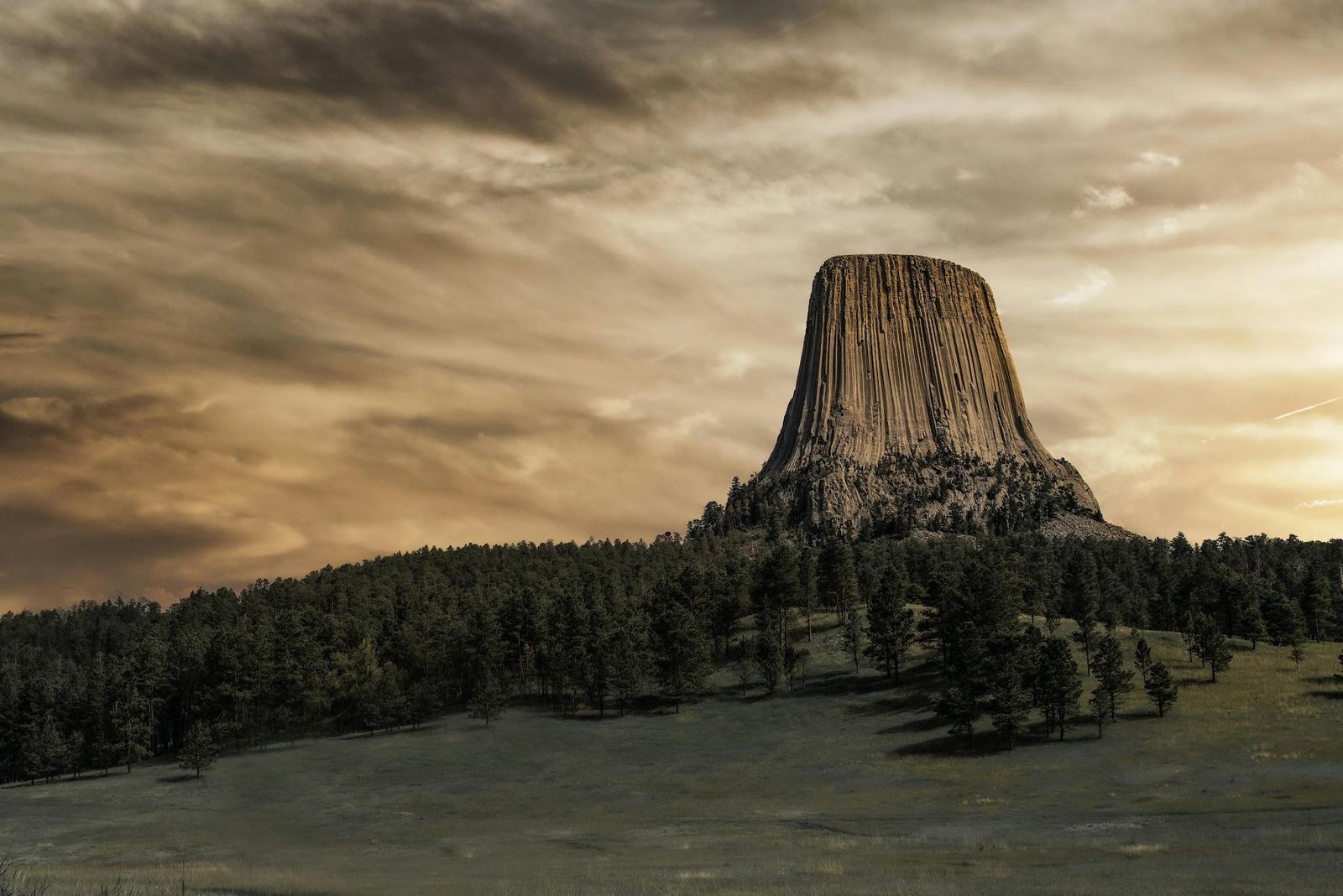
It rises abruptly from the plains of Wyoming in a way that has always reminded humans of otherworldly forces. Devils Tower National Monument became one of the most recognizable "alien" landscapes in cinema thanks to Steven Spielberg’s Close Encounters of the Third Kind.
This 1977 film follows ordinary people drawn to a mysterious location by visions and signals from extraterrestrials. That location is Devil’s Tower. This massive column of igneous rock with vertical lines is central to the story; it is the site where humans and aliens rendezvous. After the film’s release in the late 70s, annual visits to Devil's Tower surged, and its popularity has endured ever since.
Fiordland, New Zealand
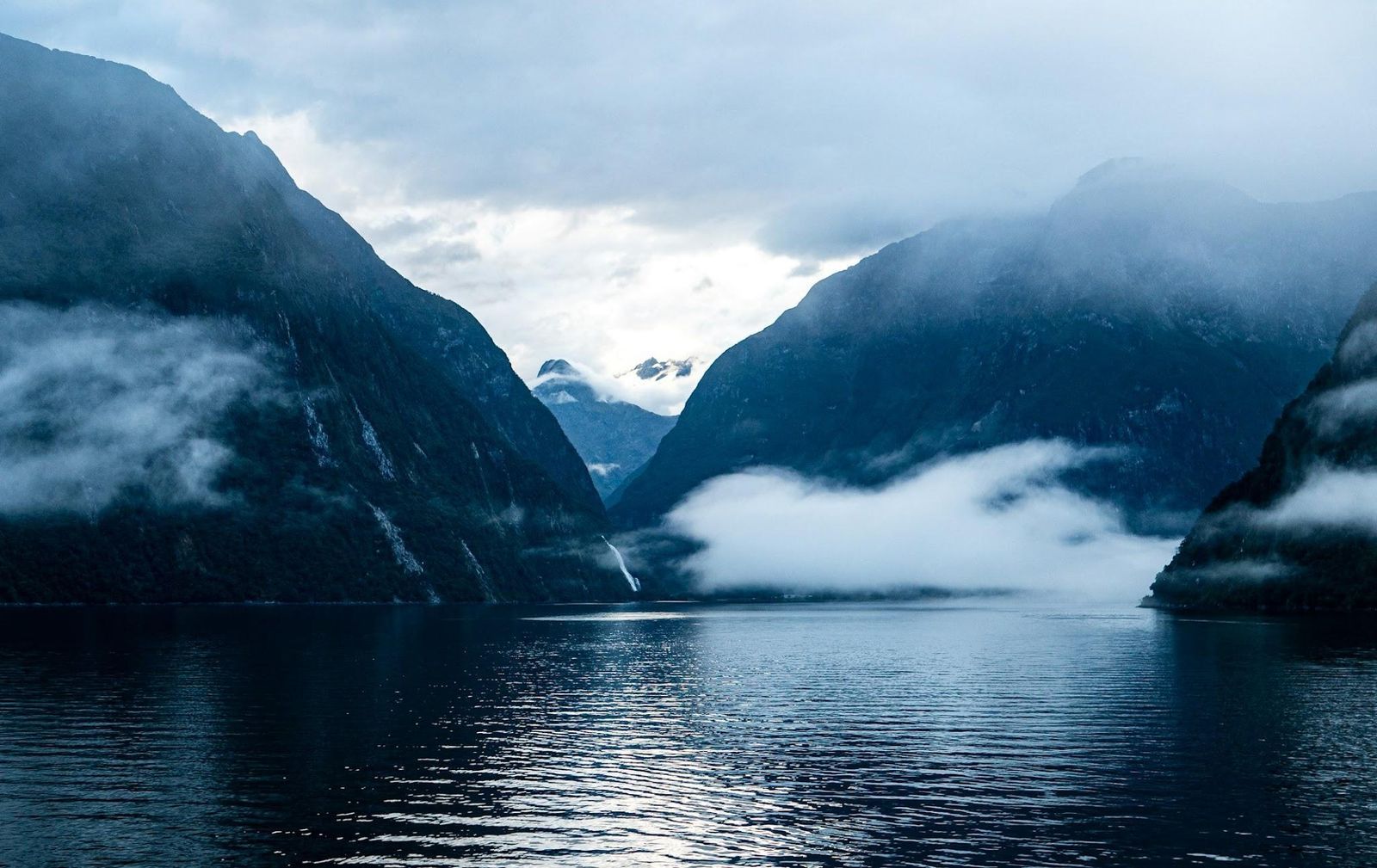
The sweeping, untouched wilderness of Fiordland National Park plays a brief but striking role in Alien: Covenant, directed by Ridley Scott. This 2017 film is part of the long-running Alien franchise, and it follows a colony crew that lands on what appears to be a habitable planet, only to discover something far more dangerous there.
These ominous, mist-covered cliffs and deep waters that illustrate the fictional world were filmed with exterior shots in Milford Sound, a fjord in the south of New Zealand. Fiordland is one of the largest national parks in the world, covering over about 4,800 square miles.
Zhangjiajie National Forest Park, China
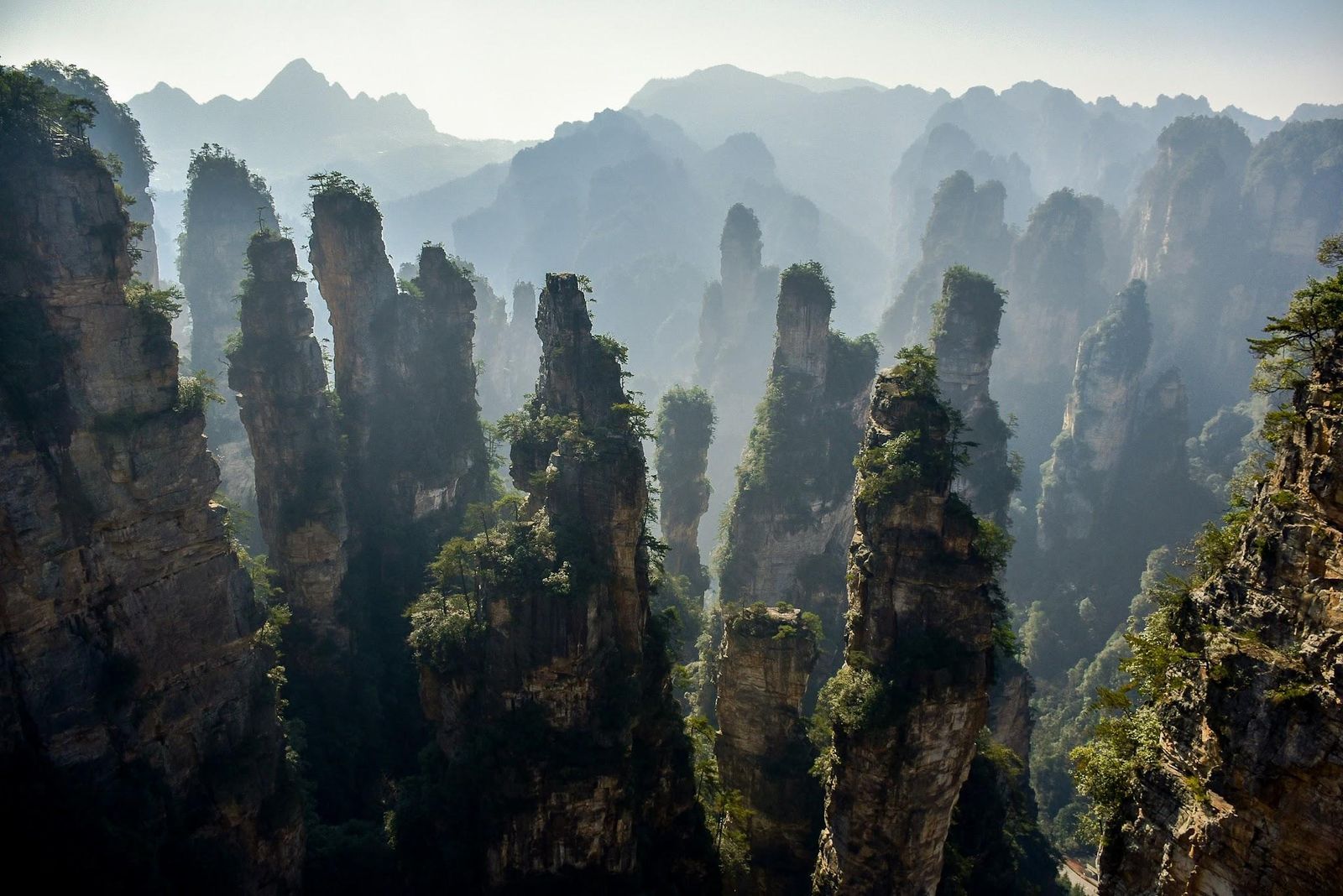
It’s easy to imagine another planet looking at such an odd and majestic landscape. These towering sandstone pillars are located in Zhangjiajie National Forest Park, in the northwestern part of central China, and they inspired the Hallelujah Mountains of planet Pandora, featured in James Cameron’s Avatar (2009).
In the movie, very similar mountains were created through CGI to appear like giant floating boulders covered in vegetation. So, the environment was constructed digitally using this real-world setting for inspiration. Following the film’s release and its global impact, one of the park’s pillars, formerly known as Southern Sky Column, was officially renamed "Avatar Hallelujah Mountain."
Blast Beach, UK
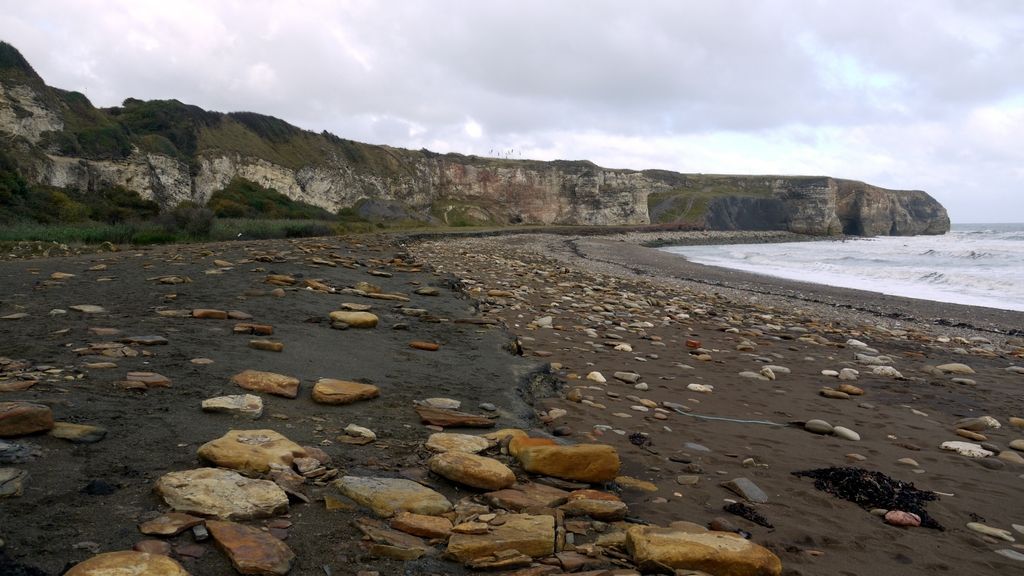
Released in 1992, Alien 3, directed by David Fincher, continued the story of Ellen Ripley, played by Sigourney Weaver. The film strands her on a bleak prison planet, and for that desolate world, producers turned to a very real and very scarred landscape: Blast Beach, located in the Northeastern England.
The beach appears in exterior sequences depicting the surface of the fictional planet Fiorina 161. Those blackened rocks are the result of decades of waste dumping from nearby coal mines, which left the shoreline covered in slag. Since the 90s, however, Blast Beach has been largely restored through environmental cleanup efforts.
Skellig Michael, Ireland
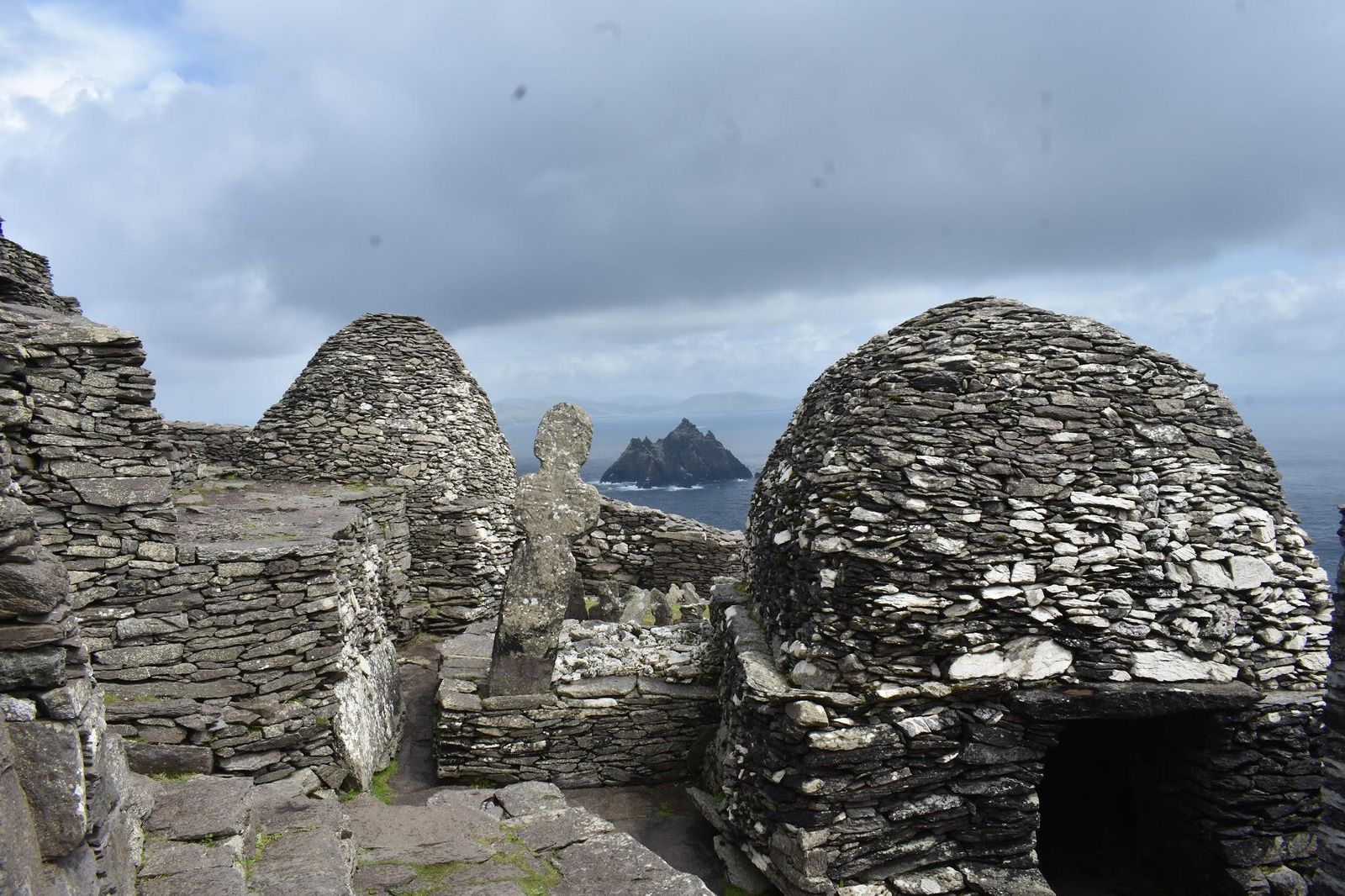
Skellig Michael provides one of the most unforgettable real-world backdrops in Star Wars: Episode VII – The Force Awakens. This 2015 film revived the saga decades after the original trilogy. Towards the film’s final sequence, this island that towers out of the Atlantic Ocean was used to depict, once again, Luke Skywalker’s residence.
This unforgettable backdrop of steep stone steps and ancient monastic structures play the part of planet Ahch-To in the film, where Luke has been living in exile. The same location was revisited in the next movie of the saga. This site is home to a 6th century monastic settlement protected by UNESCO, so filming was tightly controlled, with minimal crews and equipment allowed on the island.
Hell's Half Acre, Wyoming, US
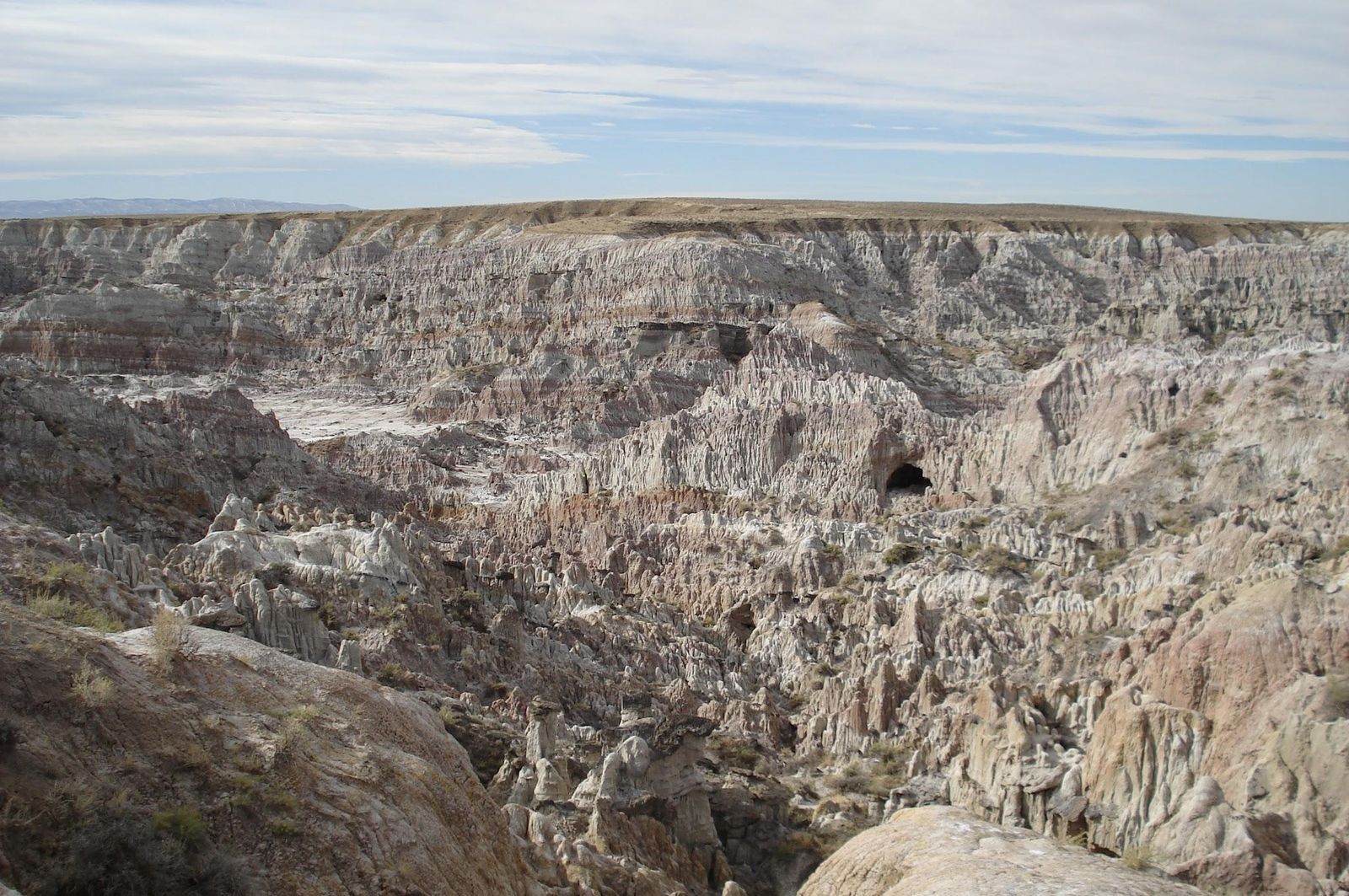
"Starship Troopers" is a 1997 sci-fi action satire. It follows a futuristic military fighting giant alien insects, and it leans heavily on stark, hostile landscapes to sell the idea of distant planets.
One of those landscapes is this rugged badlands area of eroded cliffs, deep ravines, and jugged rock formations, used to represent the planet Klendathu. In the movie, this area looks barren enough, but it turns out to be bug-infested with giant creatures, and epic battles ensue. In real life, Native American tribes used this area to drive bison to their deaths during their hunts.
Wadi Rum, Jordan
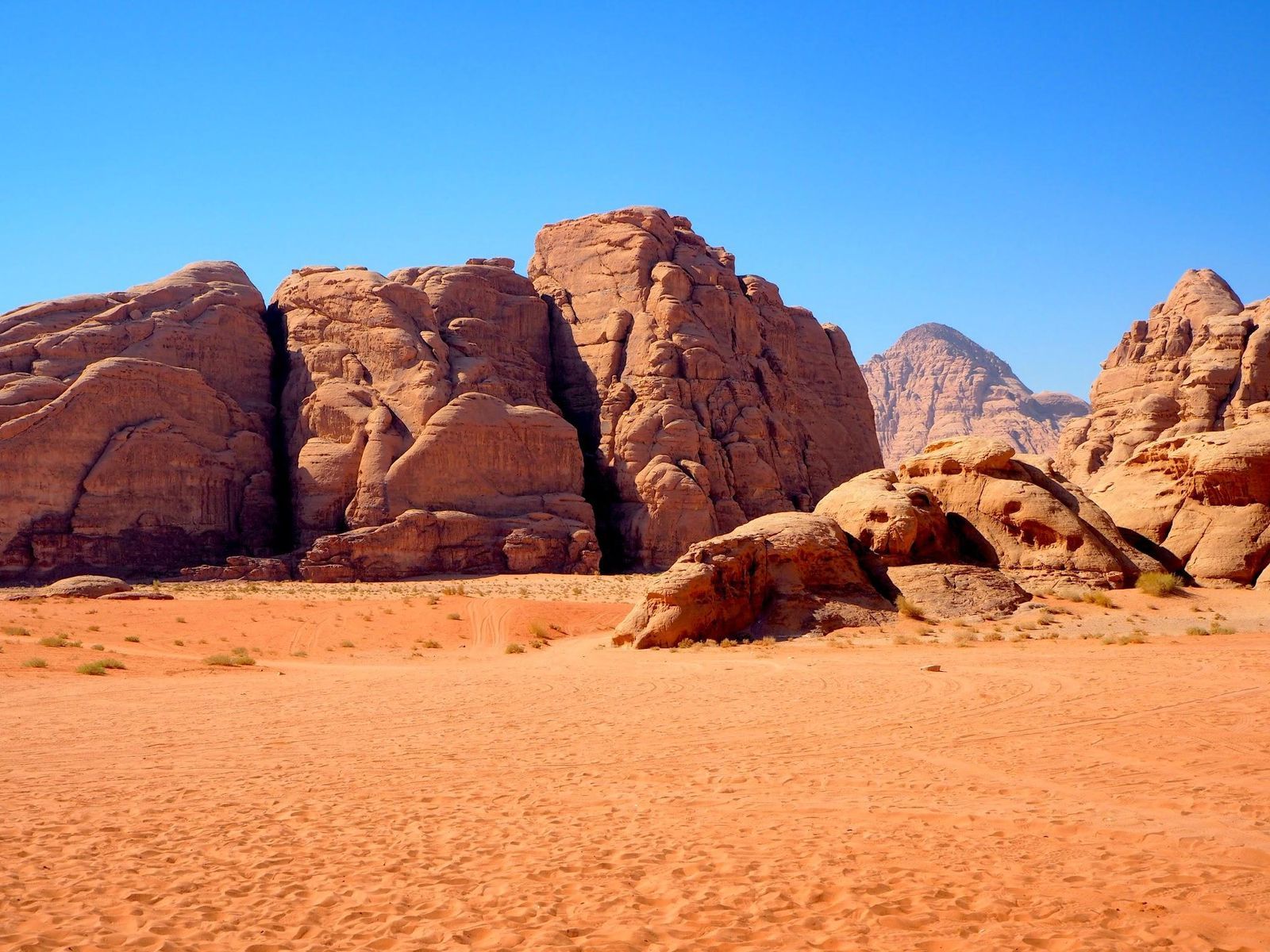
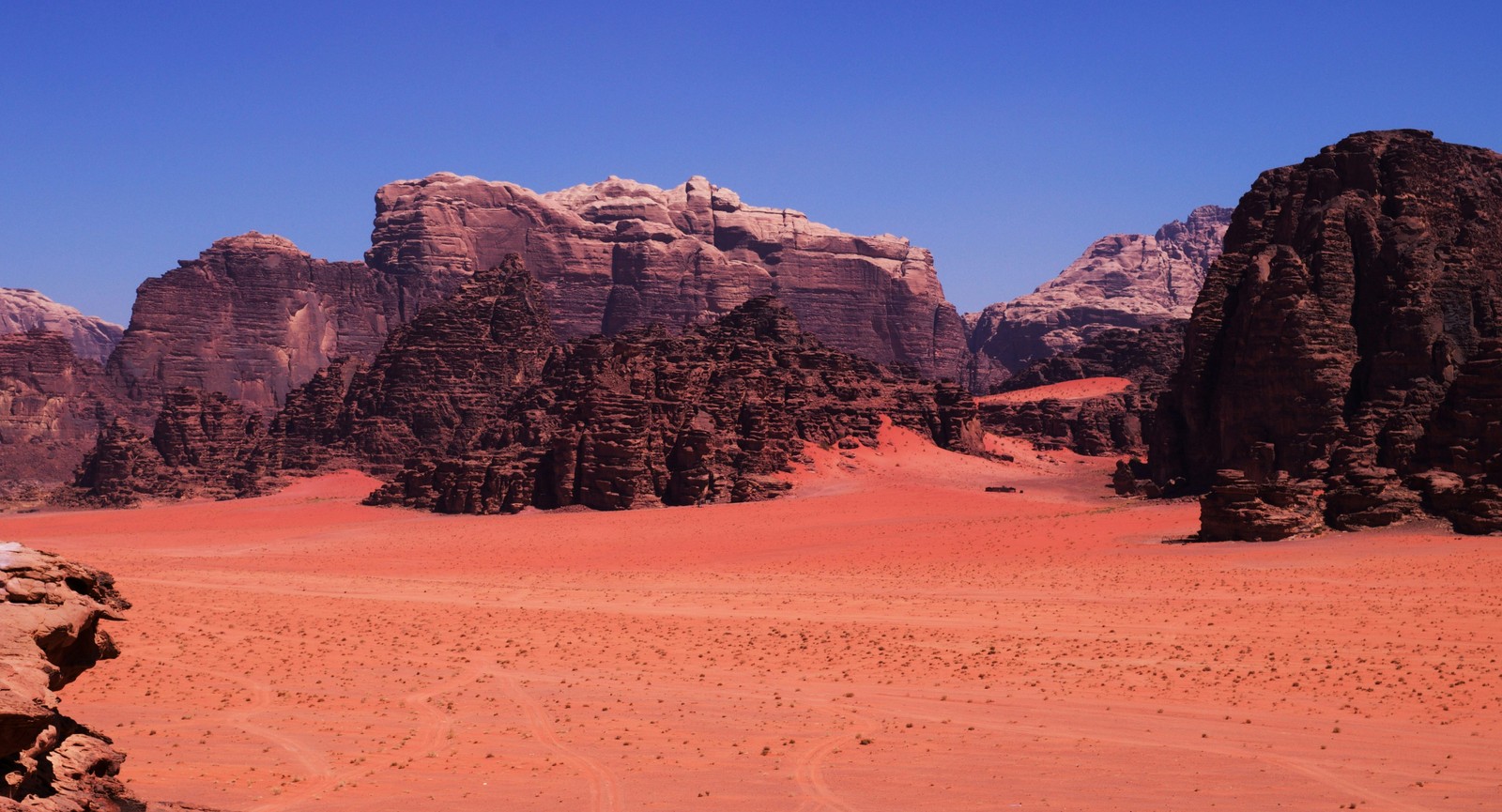
Few places on Earth have played as many "other planets" as Wadi Rum. These vast, red, towering sandstone cliffs seem to scream "Mars" to a lot of Hollywood producers. For example, in Ridley Scott’s _The Martian (_2015), this desert stood for the surface of Mars. The same desert was later used in Denis Villeneuve’s Dune (2021).
The sense of isolation and lack of vegetation in this scenery is palpable and has inspired many stories of adventure, danger, and survival. The rocks of Wadi Rum have a deep reddish hue due to iron oxide. Its staggering formations make for excellent backdrops, and the sparse population of the area allows filmmakers to shoot wide, uninterrupted vistas.
Svínafellsjökull Glacier, Iceland
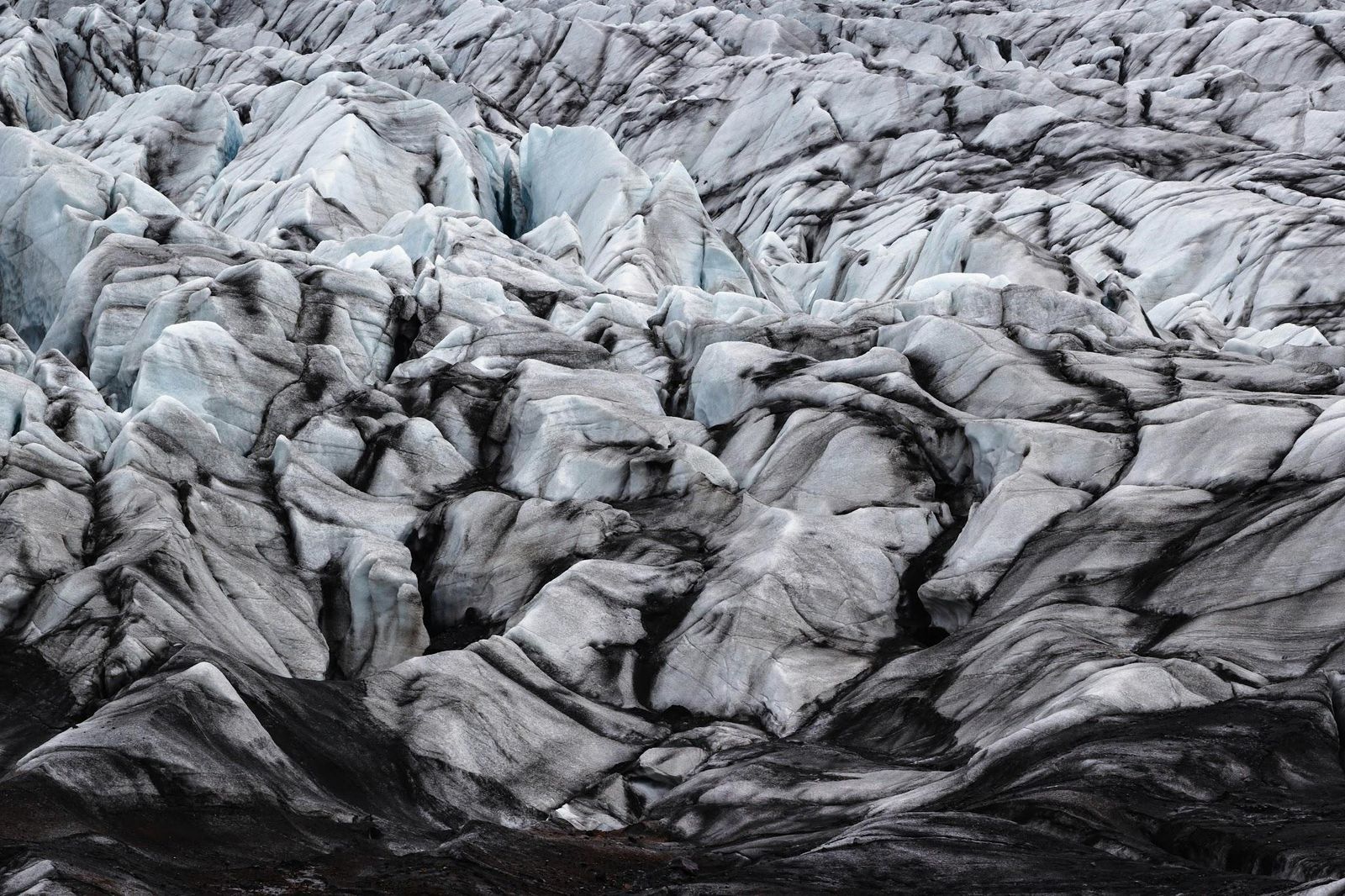
The 2014 movie Interstellar follows a team of astronauts traveling through the universe in search of a new habitable planet. In their journey, they visit a few. Christopher Nolan’s vision implied filming on location as much as possible. One of the uninhabitable frozen planets was depicted with takes of Svínafellsjökull, a glacier in Europe’s largest ice cap, in Southeastern Iceland.
Meanwhile, not far from there, scenes of a "water planet" were filmed in Iceland’s Mafabot, a lowland between the sea and a river. Also, Dust Bowl inspired scenes of a barren, futuristic Earth were shot in rural areas of Alberta, western Canada.
Keep wandering
There’s always
more to explore
 General

Rolling your clothes instead of folding? Check out these traveling hacks
4 min.
Read Now
 Landmarks
10 famous world landmarks that are never called by their official names
4 min.
Read Now
Avoid surprises: You could go to jail if you do this in a national park
4 min.
Read Now
Don't do this at airport security: Common behaviors that draw attention
4 min.
Read Now