Secrets of Paris: Lesser-known corners beyond the Eiffel Tower
 General
Paris's hidden corners
Secrets of Paris: Lesser-known corners beyond the Eiffel Tower
Sure, the Eiffel Tower and the Louvre are dazzling, but if that's all you see, you're missing the Paris that actually makes people fall in love with the place. Rue Crémieux and Marché des Enfants Rouges are just two examples of the city’s quieter side, tucked into passageways and side streets, where real Parisians eat lunch, walk their dogs, and go about their day completely unbothered by tourists. Skip the crowds for an afternoon and step into these 10 spots. You'll come away with a taste of the Paris that doesn't make it onto the postcards but stays with you long after you're home.
Rue Crémieux
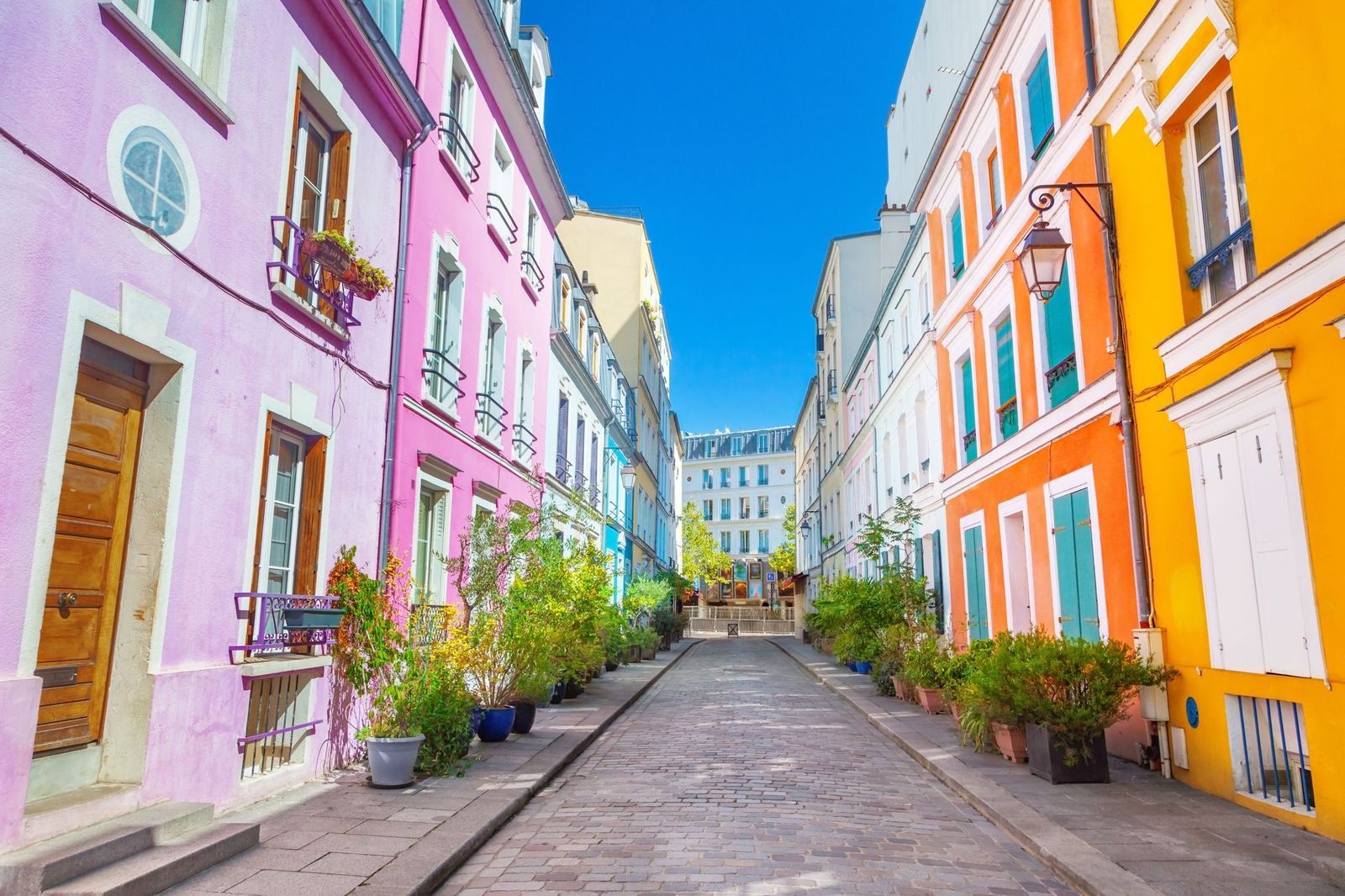
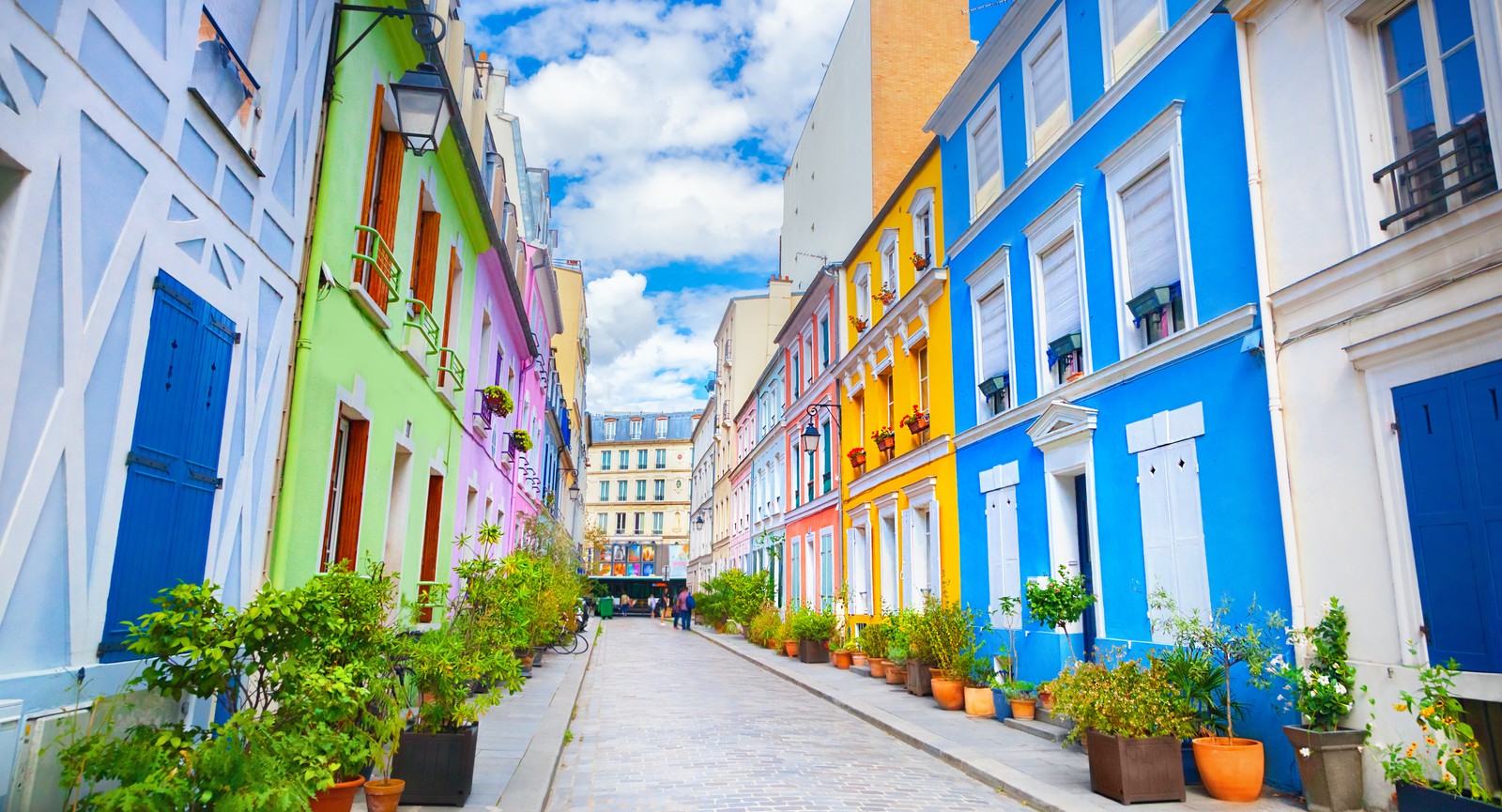
A short, pastel-colored residential street near the Gare de Lyon, Rue Crémieux looks like a page out of a children's storybook. Each house is painted a different soft hue (pink, yellow, mint green) with flower boxes on the windowsills.
It's become an Instagram darling, but early mornings keep it peaceful. Standing there, you'll feel a little burst of pure joy, the kind you get from something simply, unapologetically pretty.
Marché des Enfants Rouges
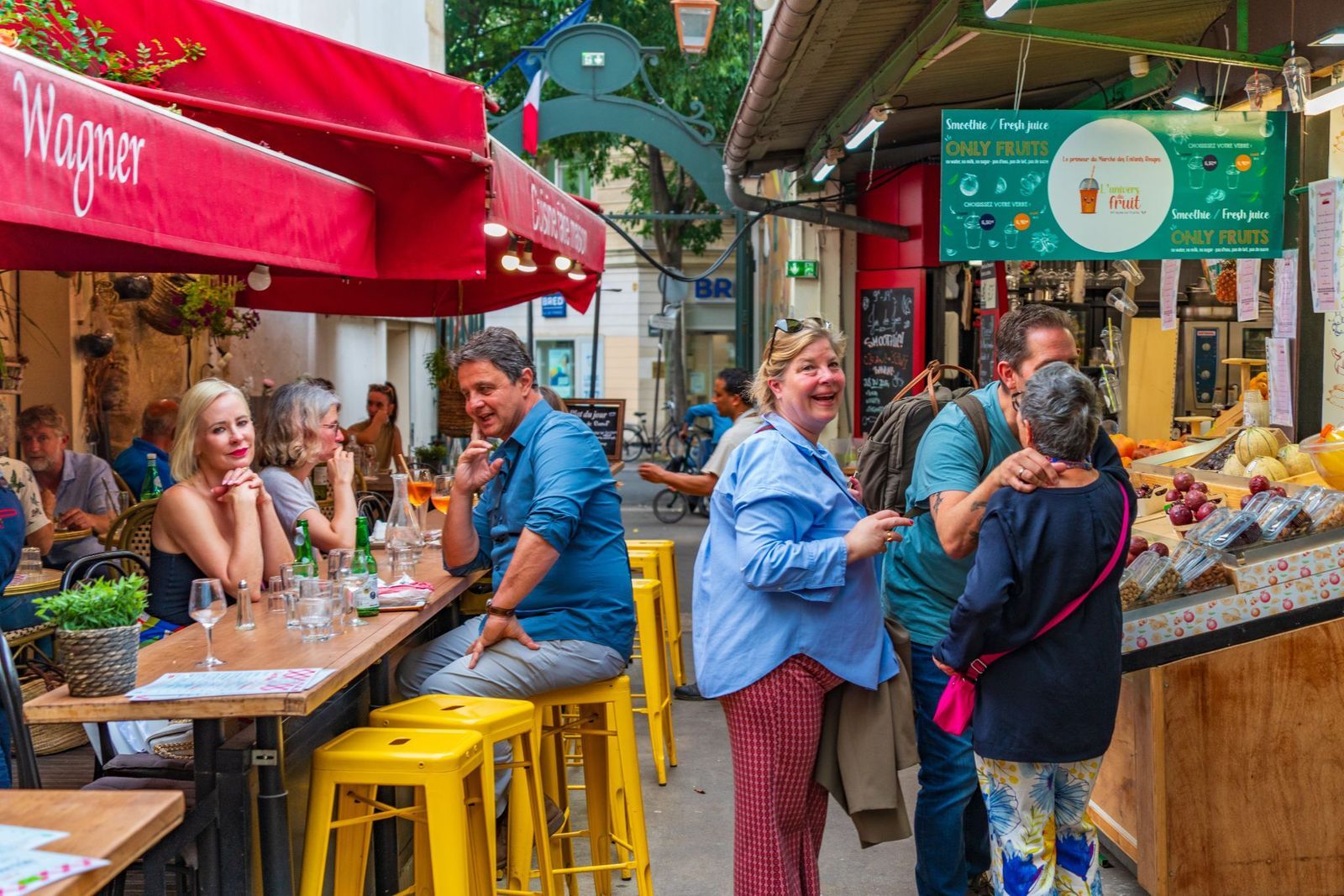
Paris's oldest covered market, dating to the 1600s, sits quietly in the Marais. Stalls sell Moroccan tagines, Japanese bento, French cheese, and fresh flowers, all under one roof. Grab a plate, find a communal table, and eat shoulder-to-shoulder with locals on their lunch break. It's lively, fragrant, and full of chatter.
You'll feel genuinely welcomed, like you've been let in on the neighborhood's favorite lunch spot.
Parc des Buttes-Chaumont
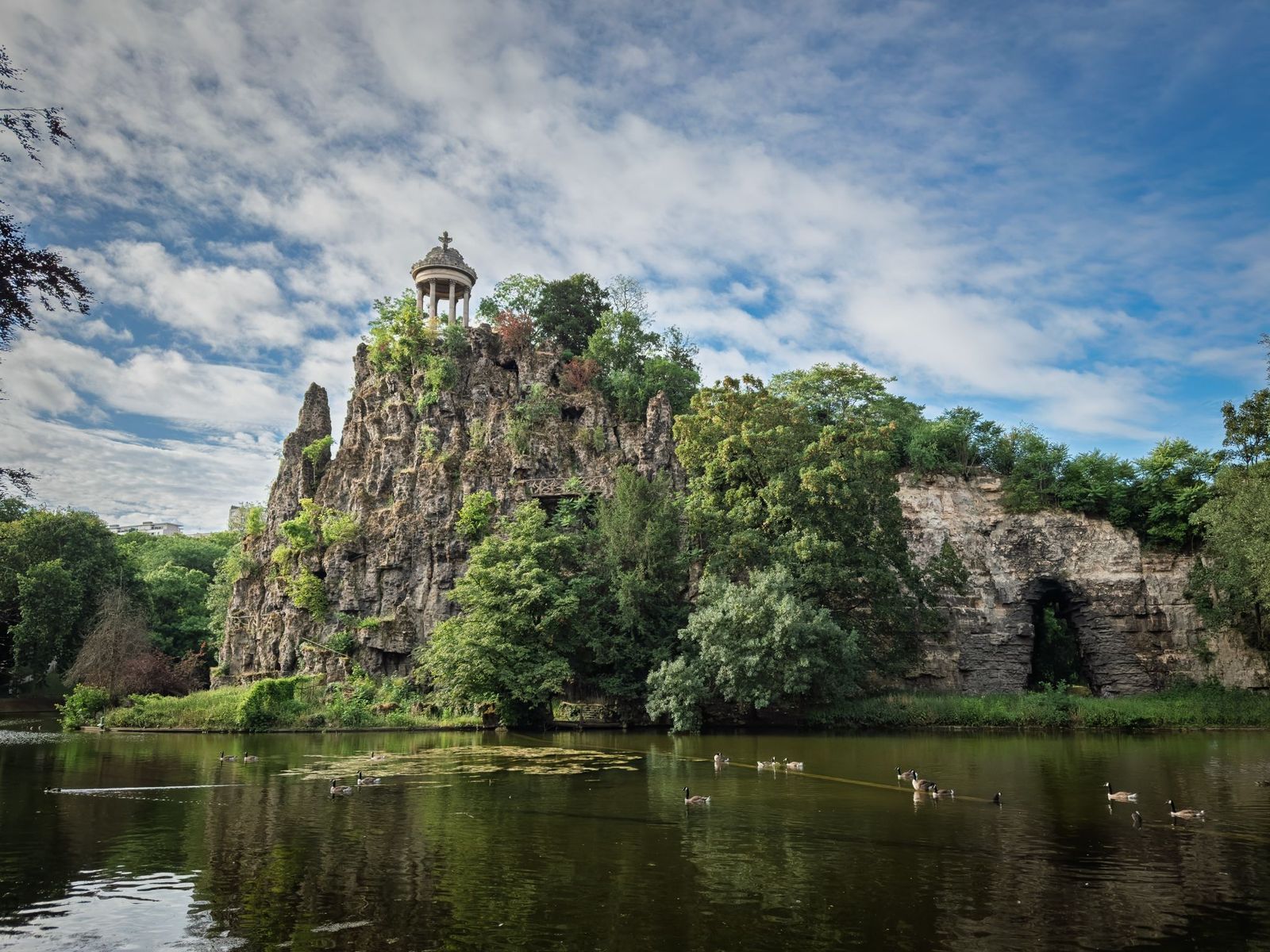
This hilly, dramatic park in the 19th arrondissement has cliffs, a suspension bridge, a waterfall, and the Temple de la Sibylle, dating back to 1866, perched on a rocky island. It was built on an old quarry, so the terrain feels wild compared to Paris's tidier gardens.
Locals picnic here, jog the winding paths, and nap on the grass. Climbing to the temple for the view, you'll feel a sense of adventure, like you've found Paris's secret escape.
La Petite Ceinture
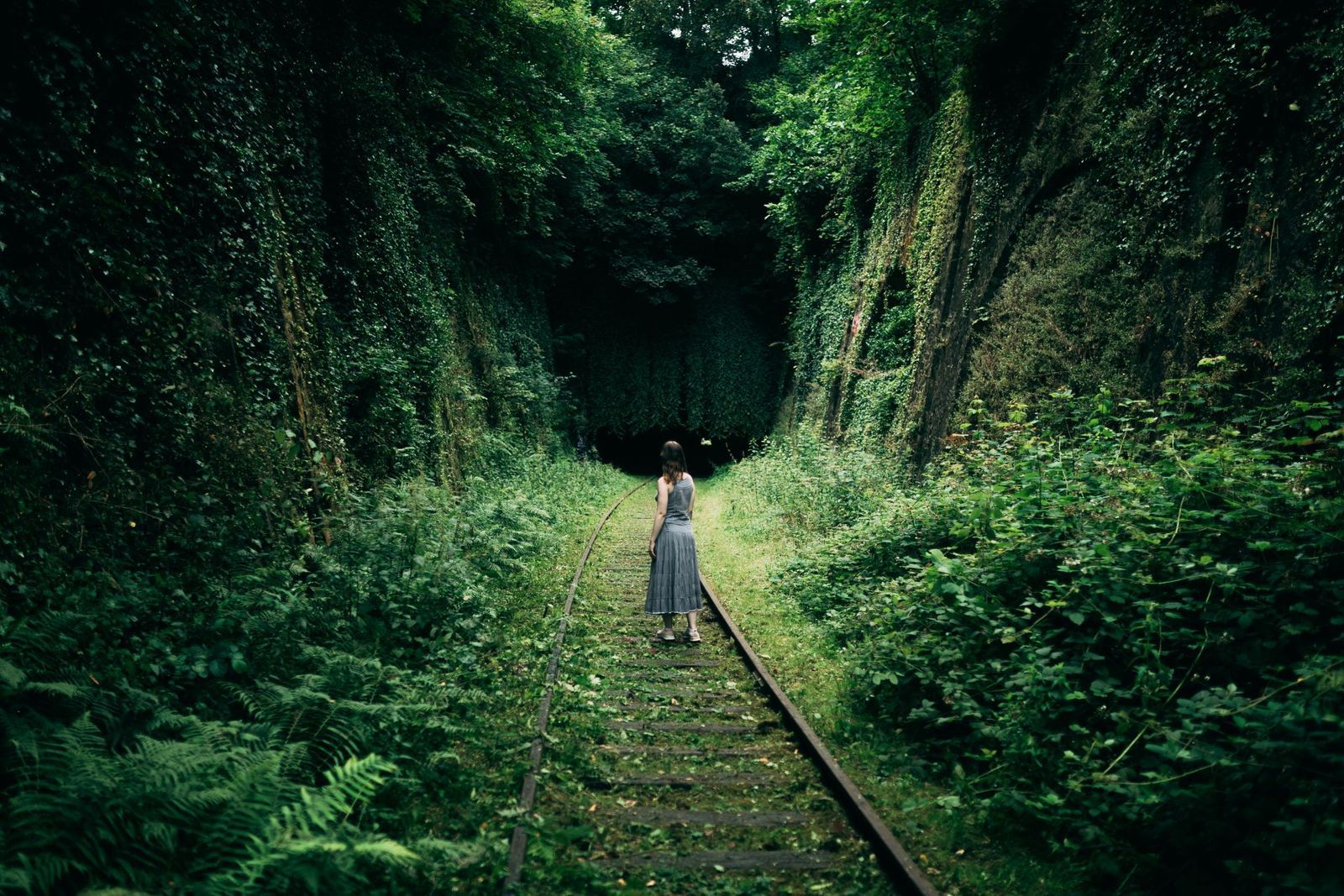
This abandoned railway once circled Paris; now nature has reclaimed parts of it into wild, overgrown walking paths. Ivy creeps over old tracks, and the silence feels cinematic. Some sections are officially open, while others are gently rewilded surprises, the kind of detail that feels too perfectly strange to be real.
This place feels like some quiet magic Paris kept just for the people willing to wander off the boulevards and look for it.
Coulée Verte René-Dumont
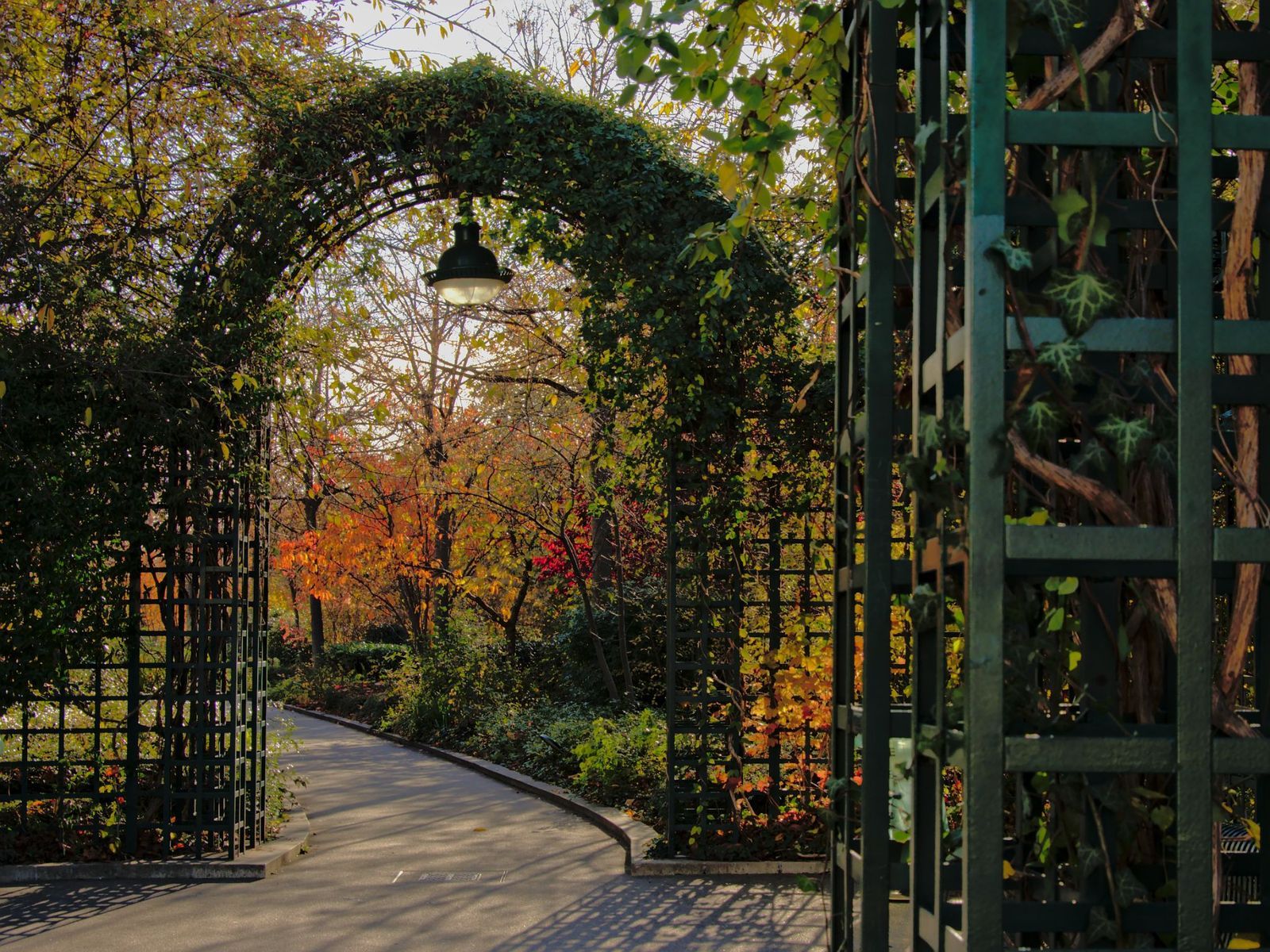
This elevated park, built along an old railway viaduct, was the inspiration for New York's High Line. Walking above the streets of the 12th arrondissement, surrounded by roses, trellises, and tree canopies, you get a green ribbon threading through the city.
It's peaceful and unexpectedly intimate. You'll feel like you're seeing Paris from a secret vantage point only locals know about.
Passage des Panoramas
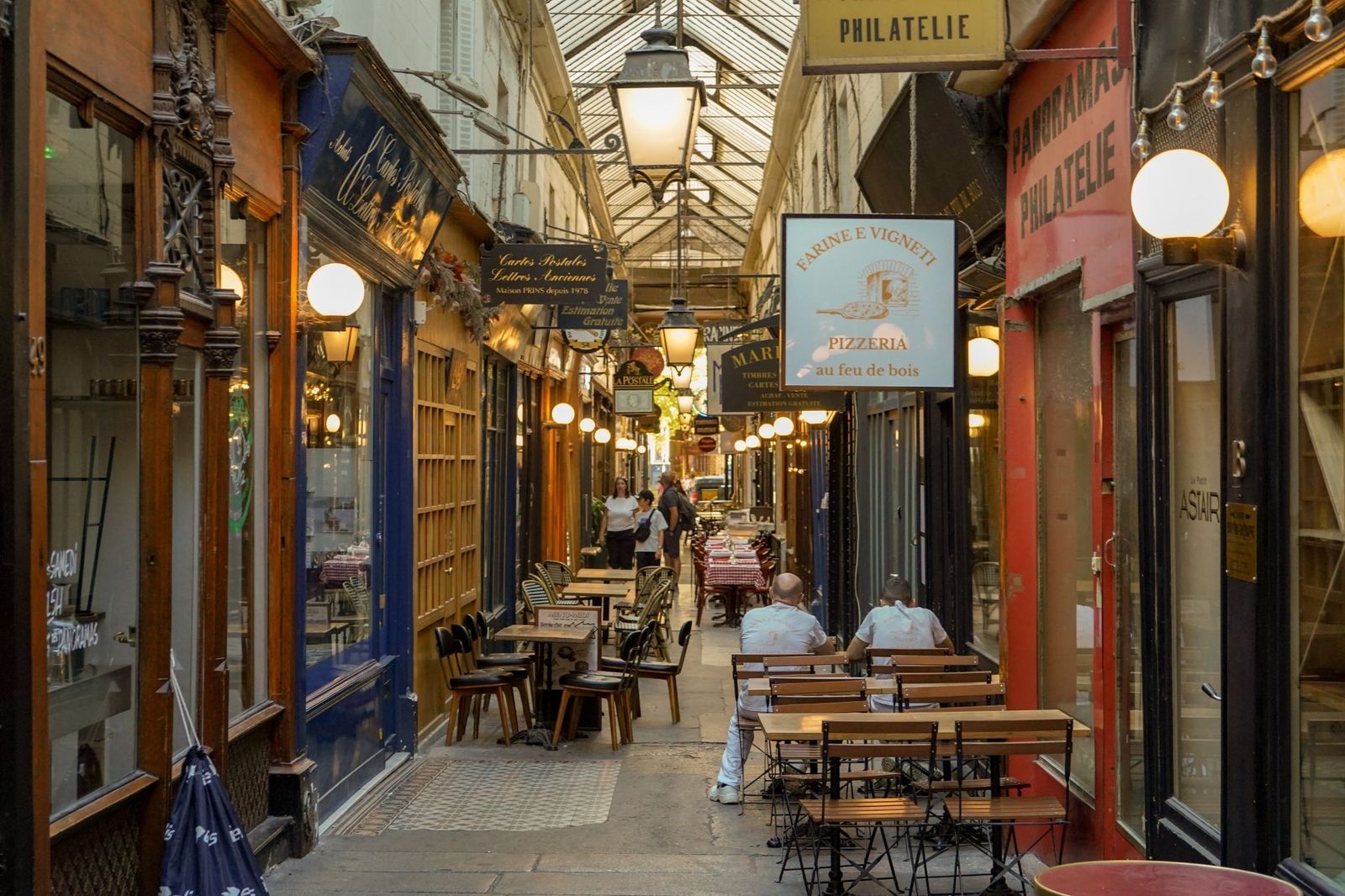
Tucked near the Grands Boulevards, this covered 19th-century arcade is one of the oldest in Paris. Glass-roofed and lined with old stamp shops, tiny restaurants, and antique postcard dealers, it feels like stepping into a sepia photograph. The light filtering through the glass ceiling gives everything a golden, old-world glow.
The passage is quiet, charming, and completely unhurried.
Square du Vert-Galant
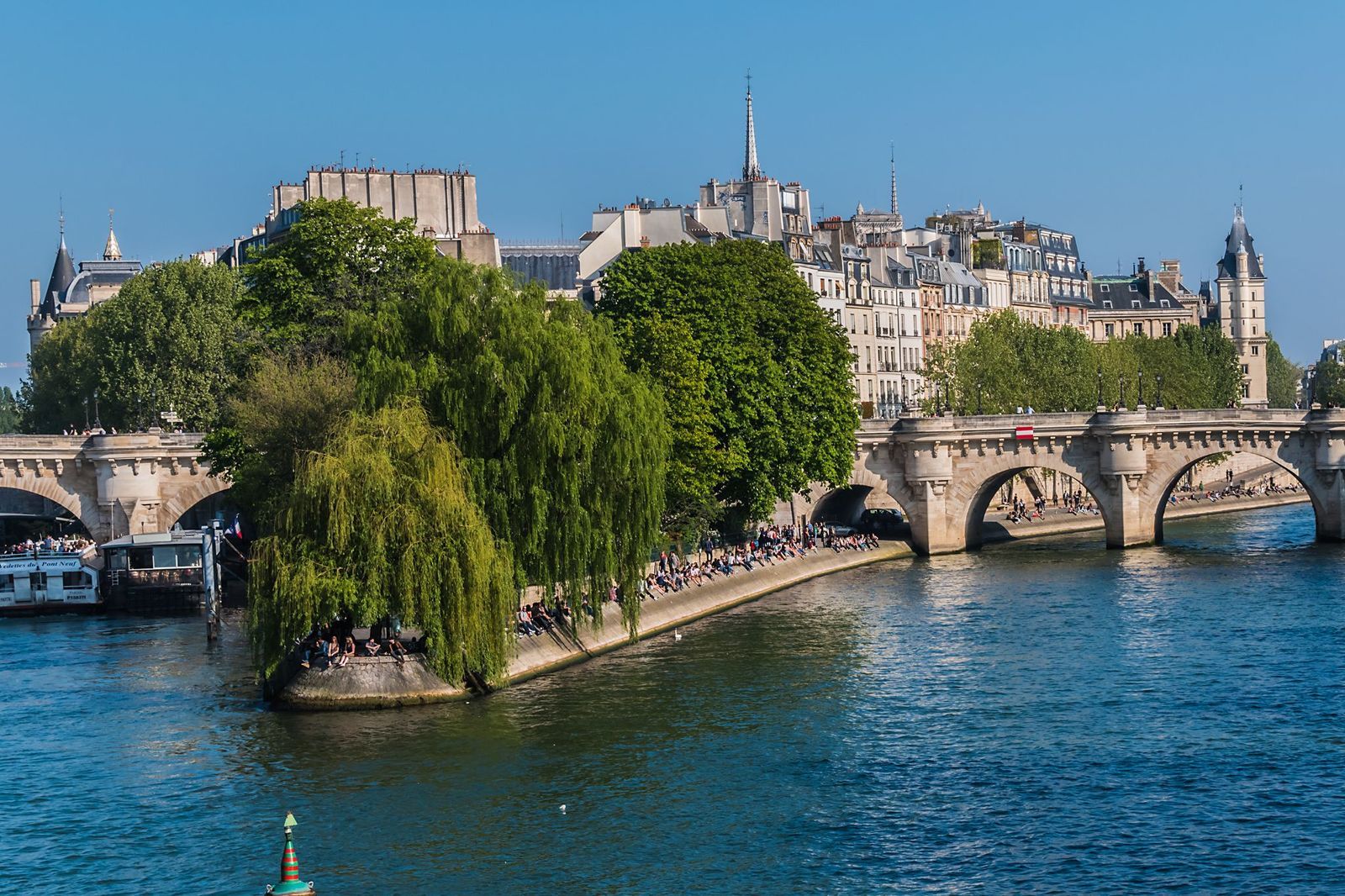
At the tip of Île de la Cité, this small triangular park sits right at the water's edge, with willow trees dipping toward the Seine. It's a favorite spot for locals to sip wine at sunset, feet dangling near the river.
The view of the bridges and passing boats is postcard-perfect without the crowds. Sitting there as the light fades, you'll feel a soft, romantic calm settle over you.
Musée de la Vie Romantique
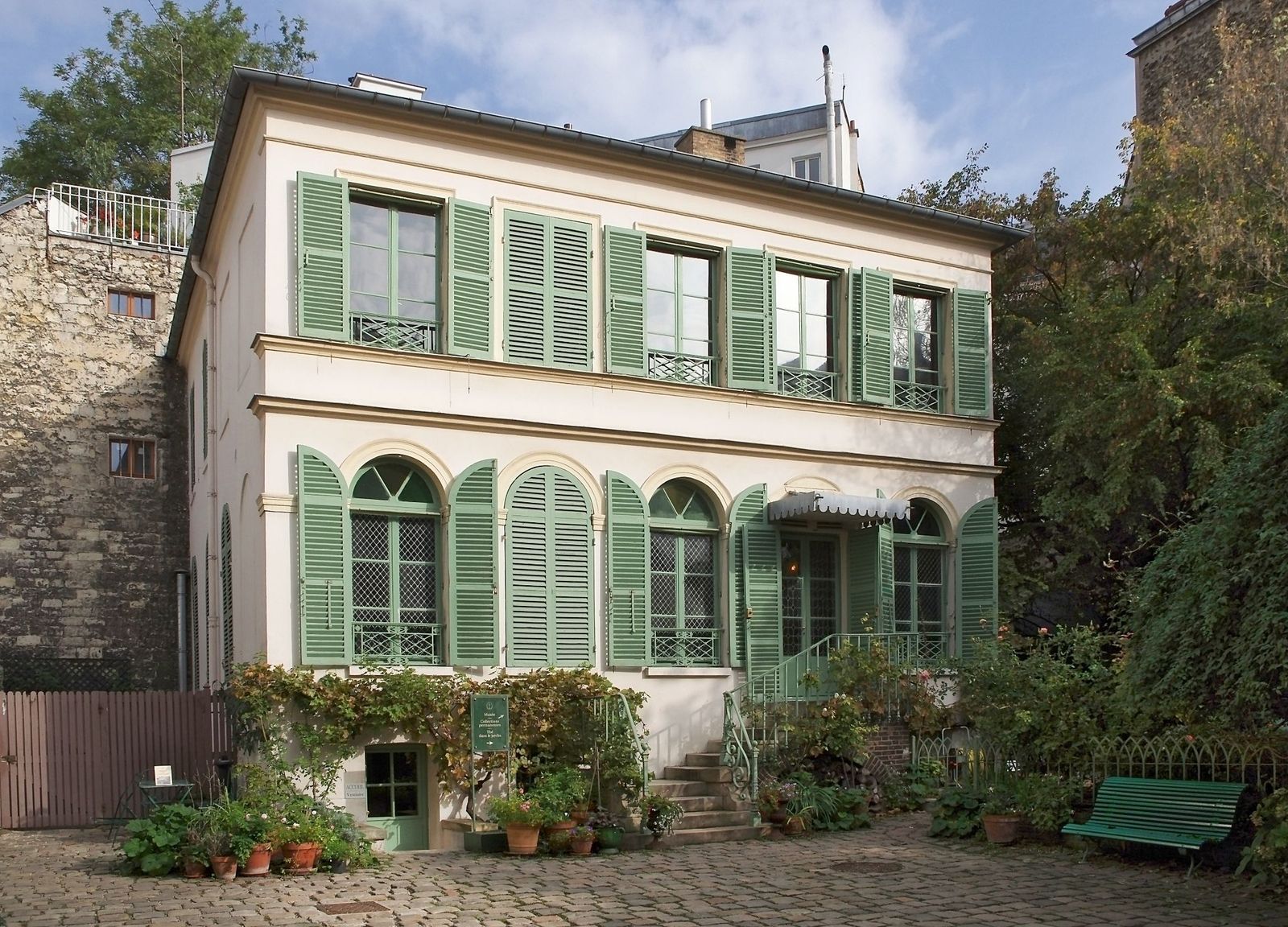
This dreamy little museum, once home to painter Ary Scheffer from 1830 until his death in 1858, sits behind a garden gate in Pigalle. Roses climb the courtyard, and a charming tea room serves pastries beneath the trees. Inside, you'll find portraits and mementos from the Romantic era, including relics from writer George Sand.
It's intimate and unhurried. You'll feel like you've slipped into a private garden party from another century.
Butte-aux-Cailles
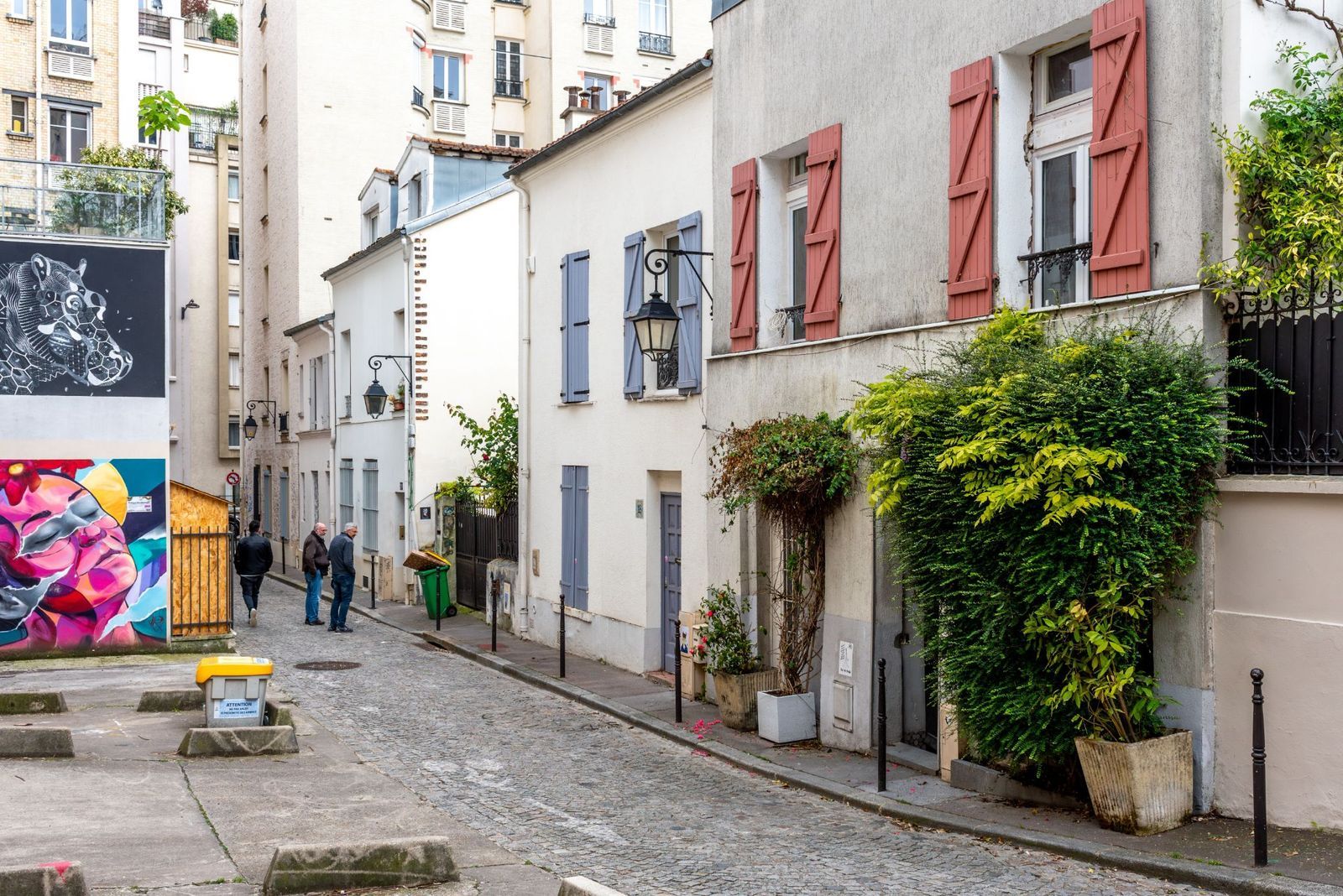
This hilltop neighborhood in the 13th arrondissement feels like a secret village within the city: cobblestone lanes, street art, cozy bistros, and almost no tourists. Locals fill the terraces at night, laughing over wine and delicious food. It retains an old-Paris charm that's mostly vanished elsewhere.
Strolling here, you'll be genuinely transported, like you've found the authentic, unpolished heart of the city everyone talks about, but few actually see.
Musée de la Chasse et de la Nature
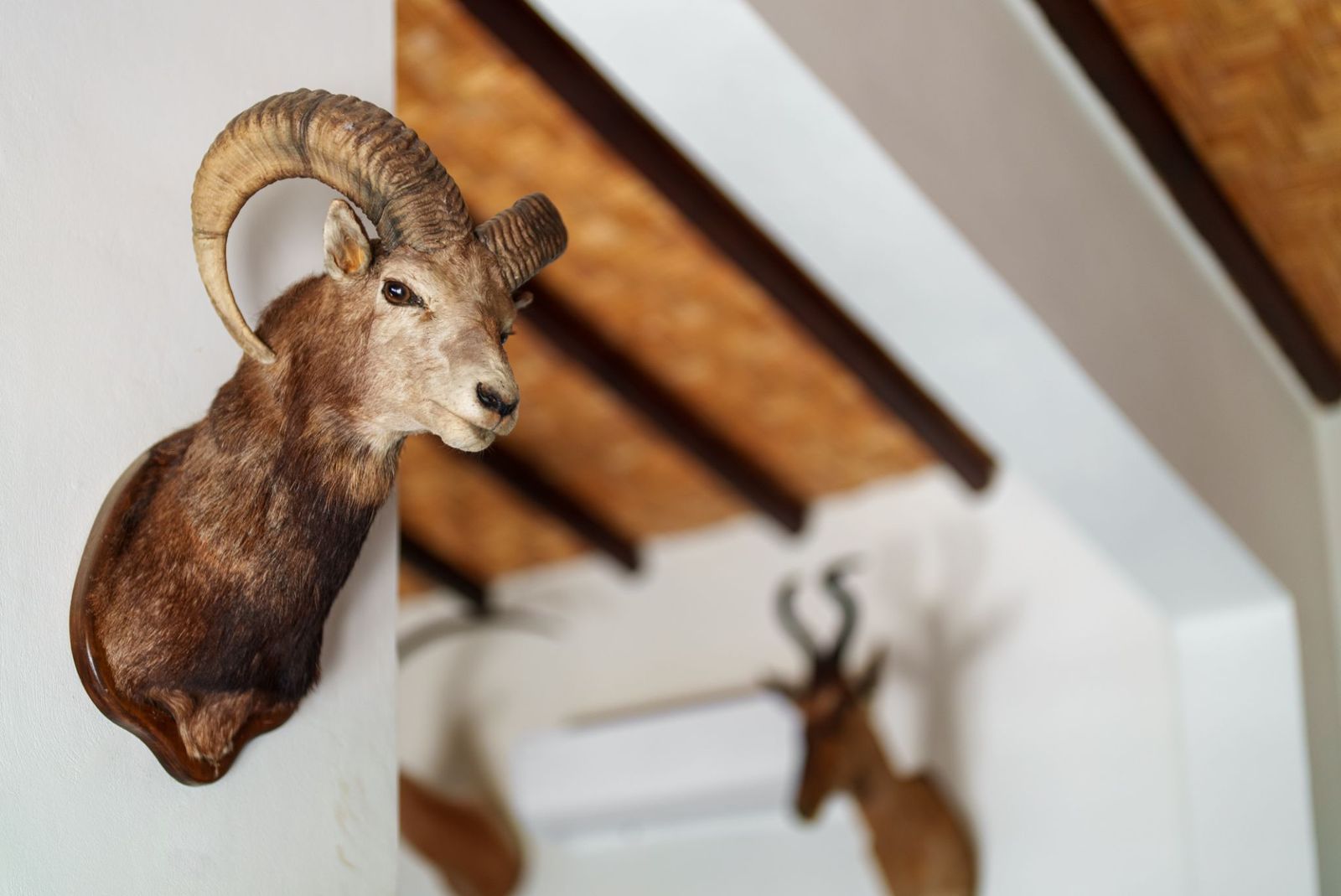
Hidden in the Marais, this small museum blends hunting history with surreal art and taxidermy in the most unexpected, whimsical way. Stuffed animals sit alongside modern art installations in elegant old mansion rooms. It's odd, beautiful, and strangely poetic all at once.
Walking through, you'll feel delightfully off-balance, charmed, and a little amused that something this quirky exists in the middle of elegant Paris.
Secrets about New York City most Americans don't know
 Landmarks
Hidden in NYC
Think you know all of New York City's secrets? Think again
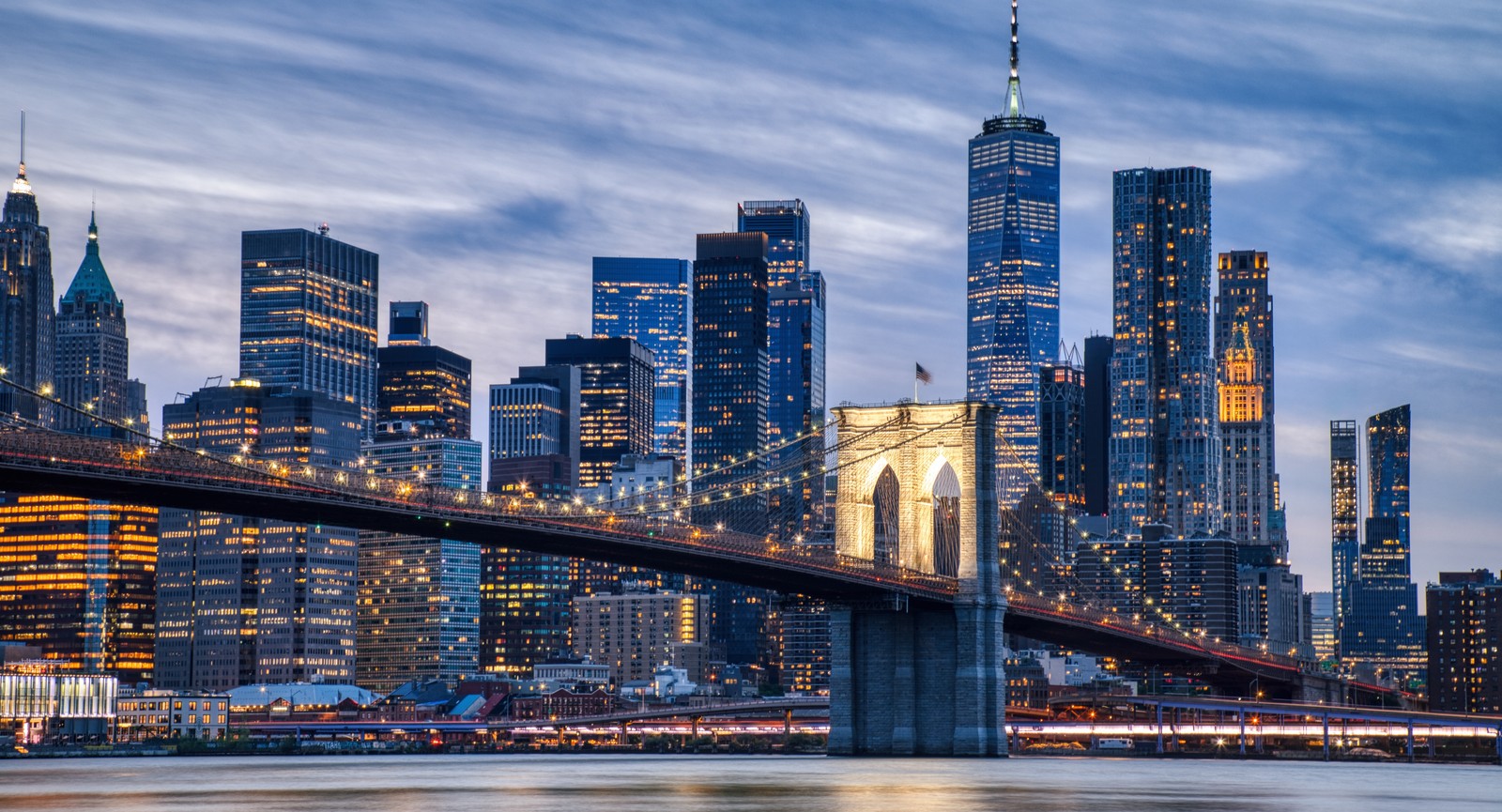
New York City is iconic for so many reasons: the skyline that lights up every postcard, the food carts on every corner, Broadway, Central Park, and neighborhoods that feel like their own little worlds. Beyond the famous sights, though, New York holds some lesser-known stories. For instance, did you know the city started out with a completely different name under Dutch rule, or that it was once the capital of the entire United States? Here are 10 surprising facts about the Big Apple.
New York was originally called New Amsterdam
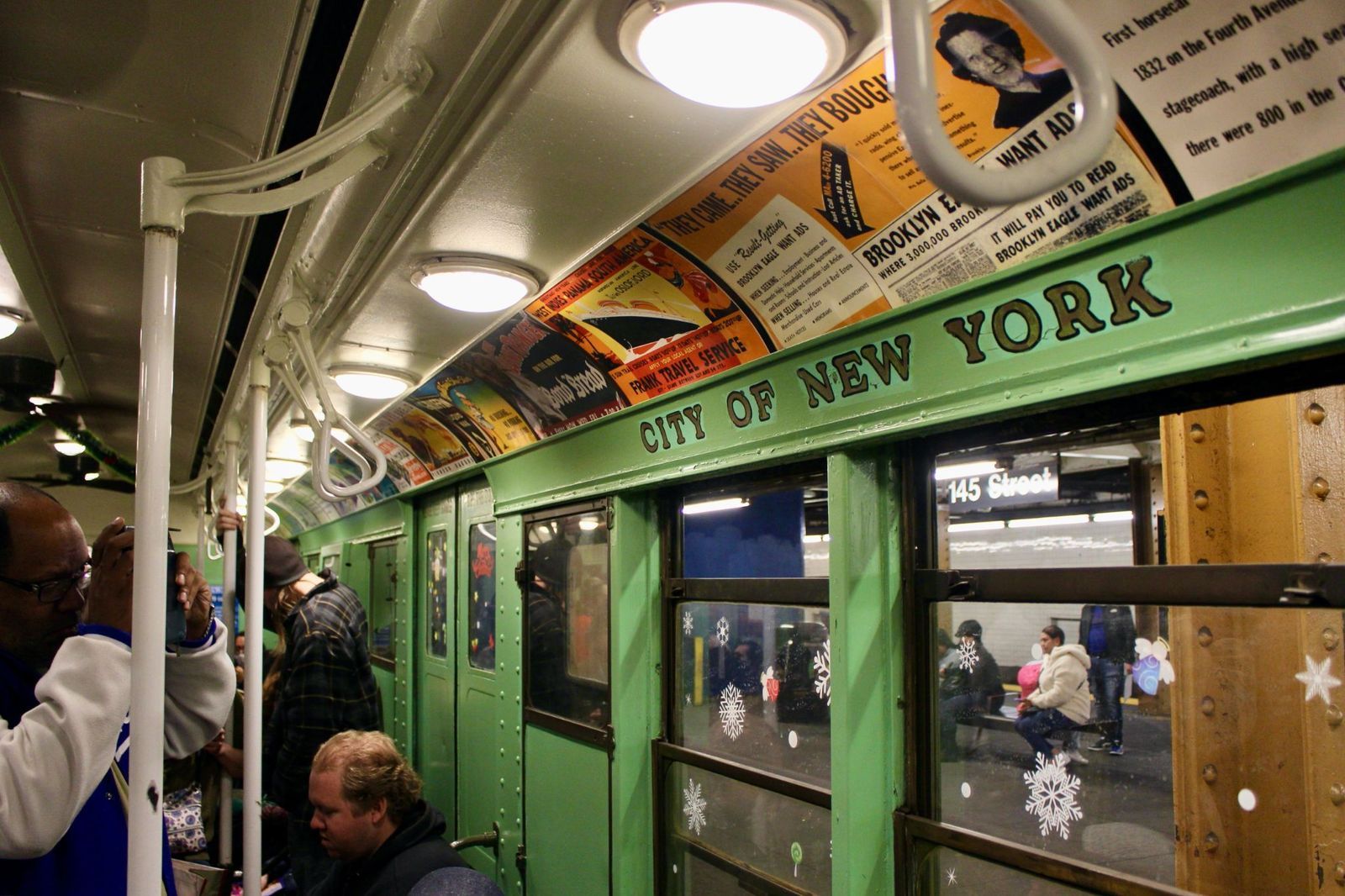
Dutch settlers founded the colony in the 1620s and named it New Amsterdam, after their homeland's capital. It served as a trading post for the Dutch West India Company, complete with canals and windmills reminiscent of the Netherlands.
In 1664, English forces took control without a fight and renamed the settlement New York, honoring the Duke of York. The Dutch influence never fully disappeared, though: you can still see it in street names and old building styles scattered around lower Manhattan today.
New York was briefly the U.S. capital
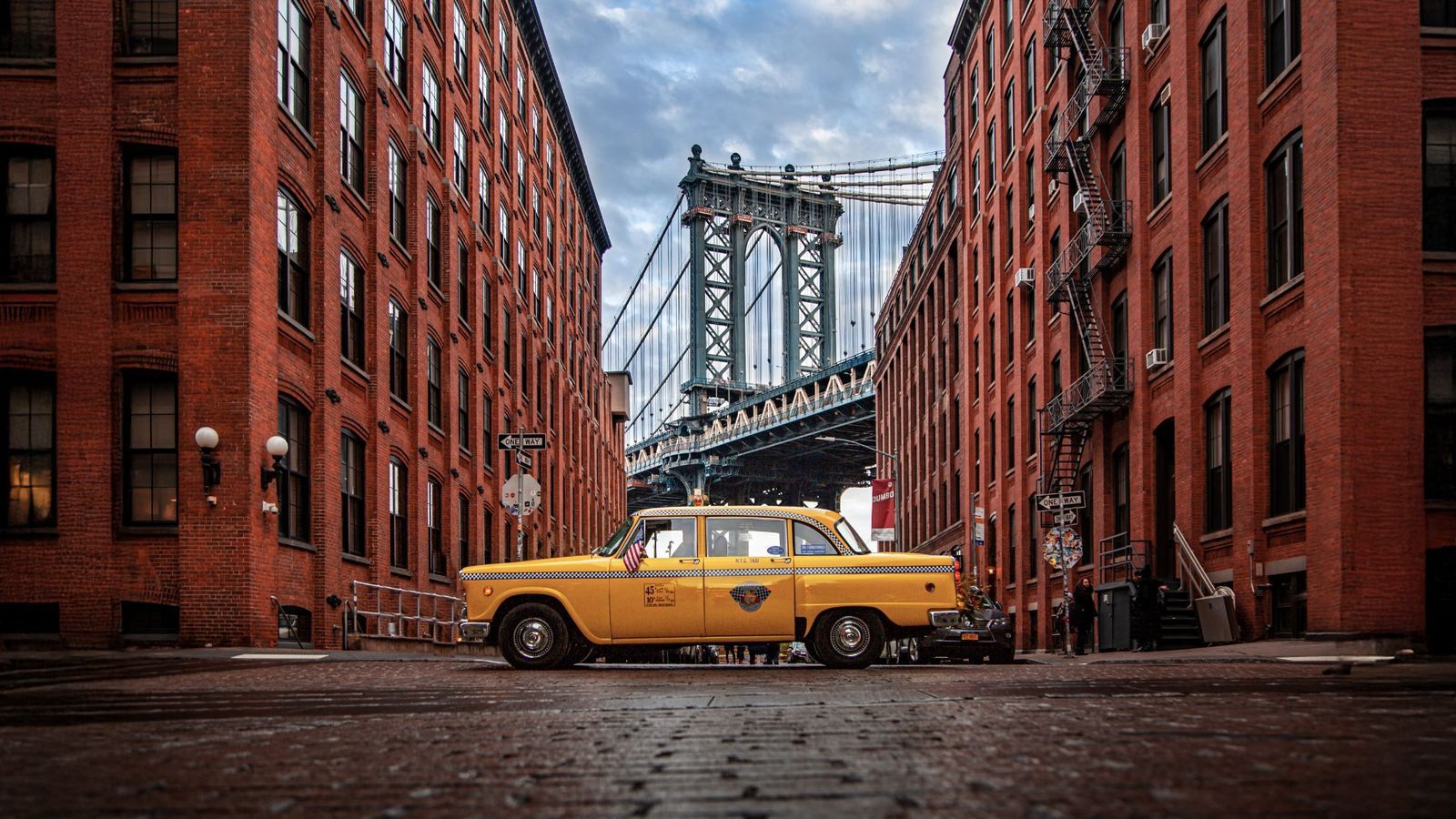
Between 1789 and 1790, New York City served as the nation's first capital under the new Constitution. George Washington was even inaugurated there, on the balcony of Federal Hall on Wall Street.
The capital later moved to Philadelphia, then permanently to Washington, D.C., in 1800. Federal Hall still stands today as a museum, marking the spot where the American government essentially began its very first chapter.
Wall Street was named after an actual wall
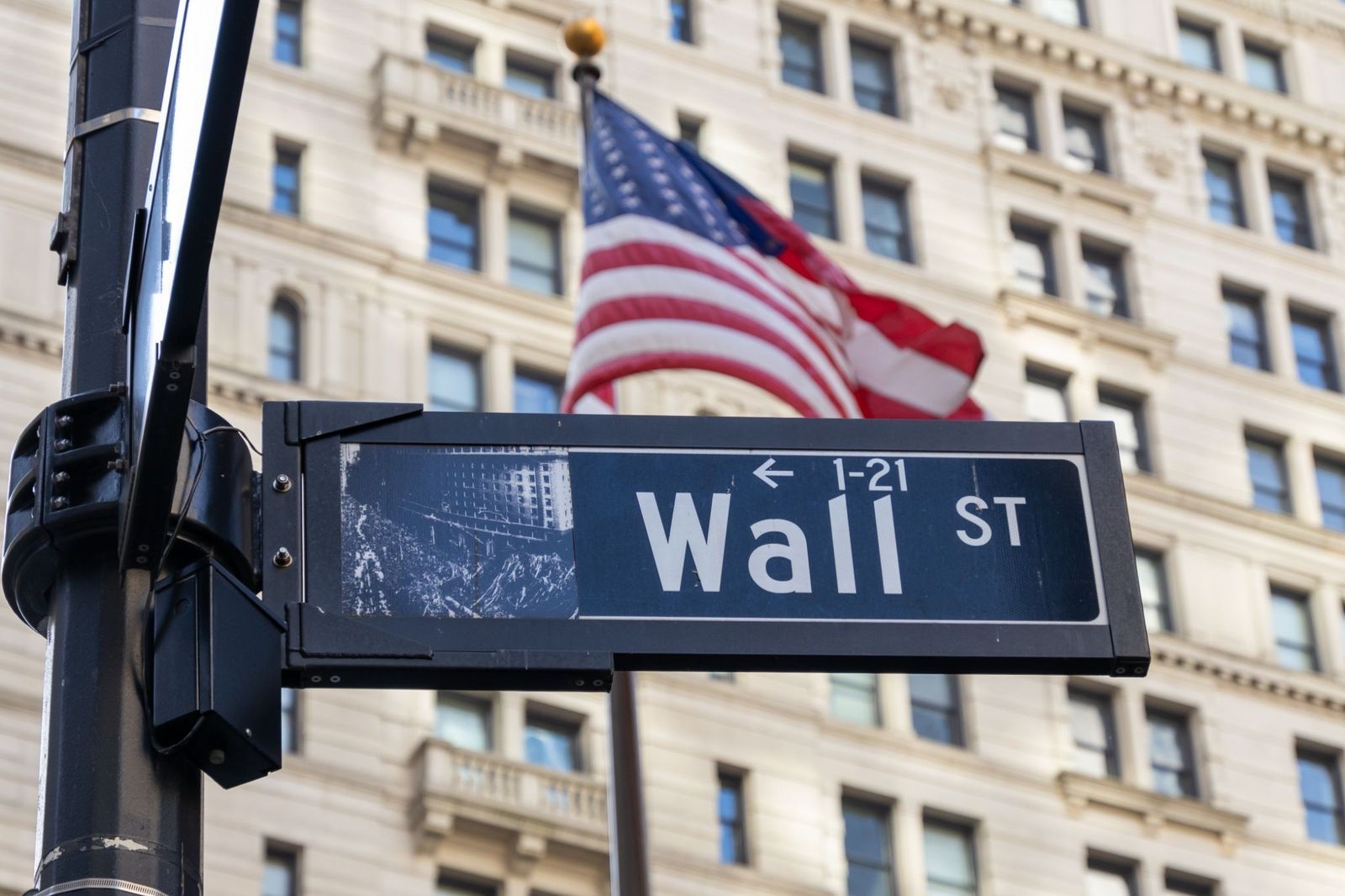
In 1653, Dutch settlers built a wooden wall along the northern edge of their colony to defend against English colonists and Native American groups during ongoing conflicts.
The wall itself never saw major combat and was torn down by 1699 as the city expanded. But the street that ran alongside it kept the name, eventually becoming the world's most famous symbol of American finance and banking.
Hidden apartments exist inside library branches
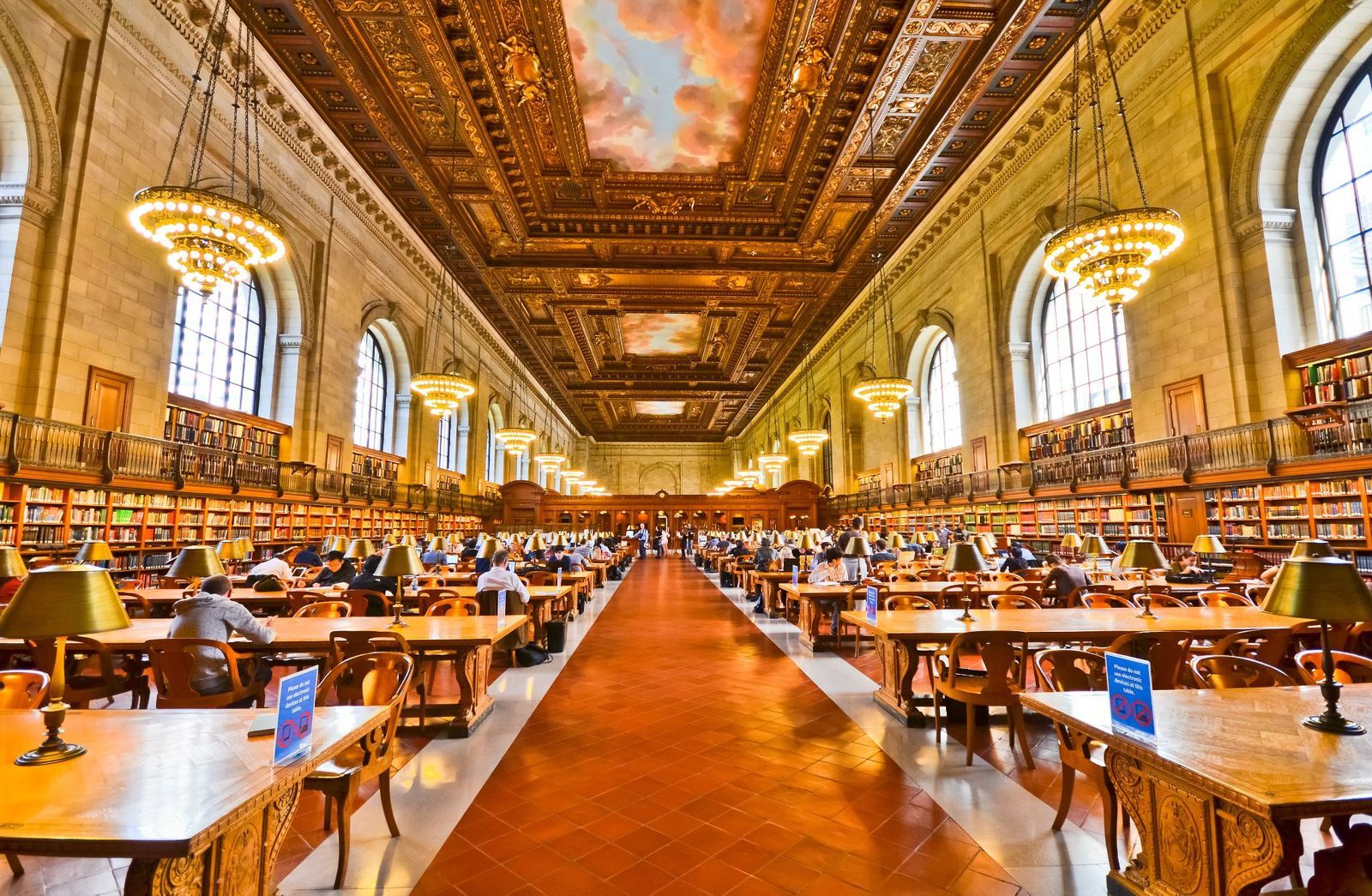
Several New York Public Library branches, built in the early 1900s, included small apartments for live-in superintendents who maintained the building and kept the furnace running.
Some of these apartments remain intact, tucked above or behind the main reading rooms, mostly unused today. It's an odd little detail: patrons quietly reading below, while a forgotten residential space sits just above their heads.
The subway has abandoned "ghost stations" beneath the city
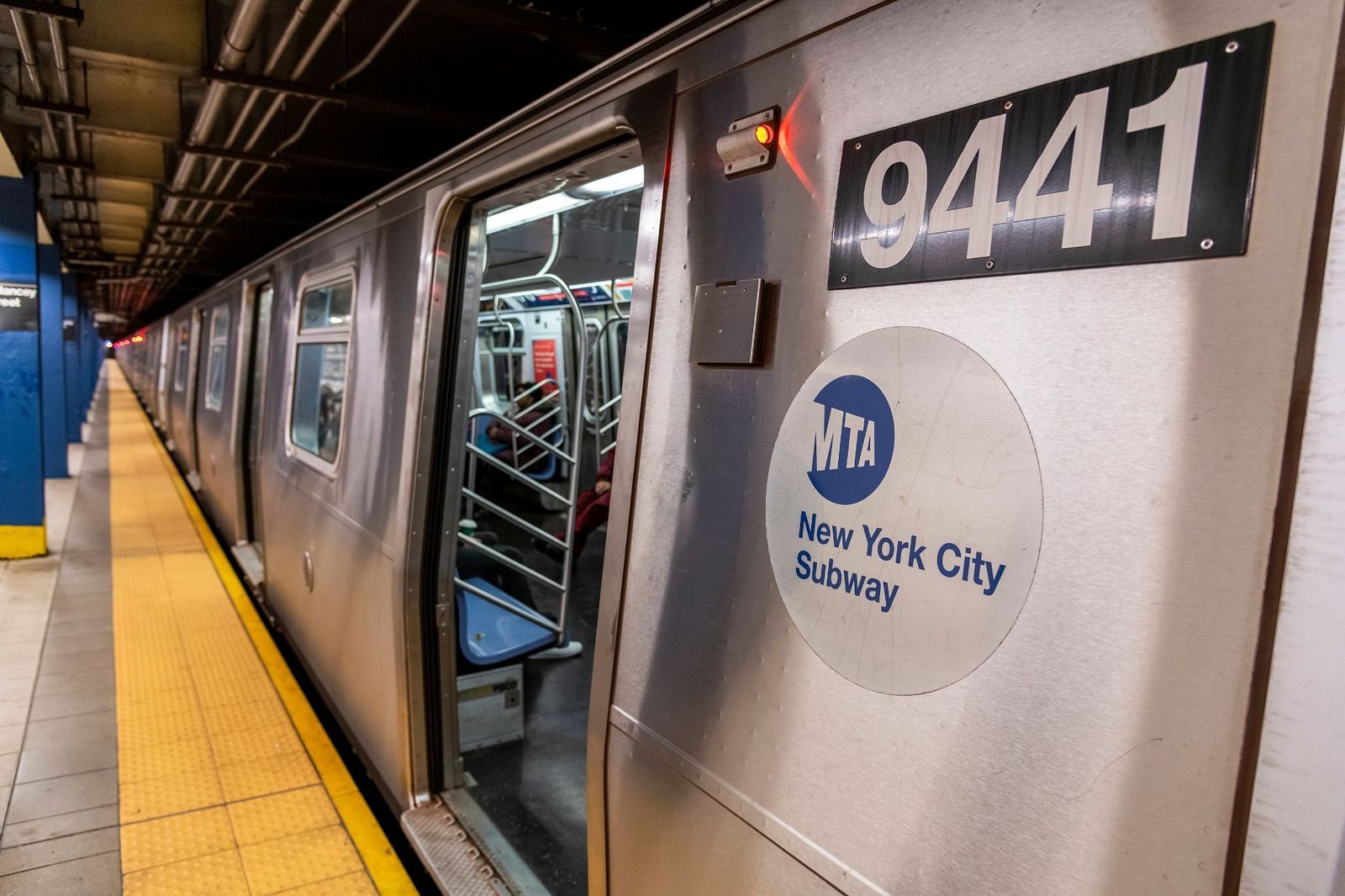
The most famous is the old City Hall station, closed in 1945 because its curved platform couldn't accommodate longer, modern trains running through the system.
Built in 1904 with elegant tiles, chandeliers, and skylights, it was designed to impress. Though closed to walk-in passengers, riders can still glimpse it today by staying on the 6 train as it loops around at the line's end.
Central Park is entirely man-made
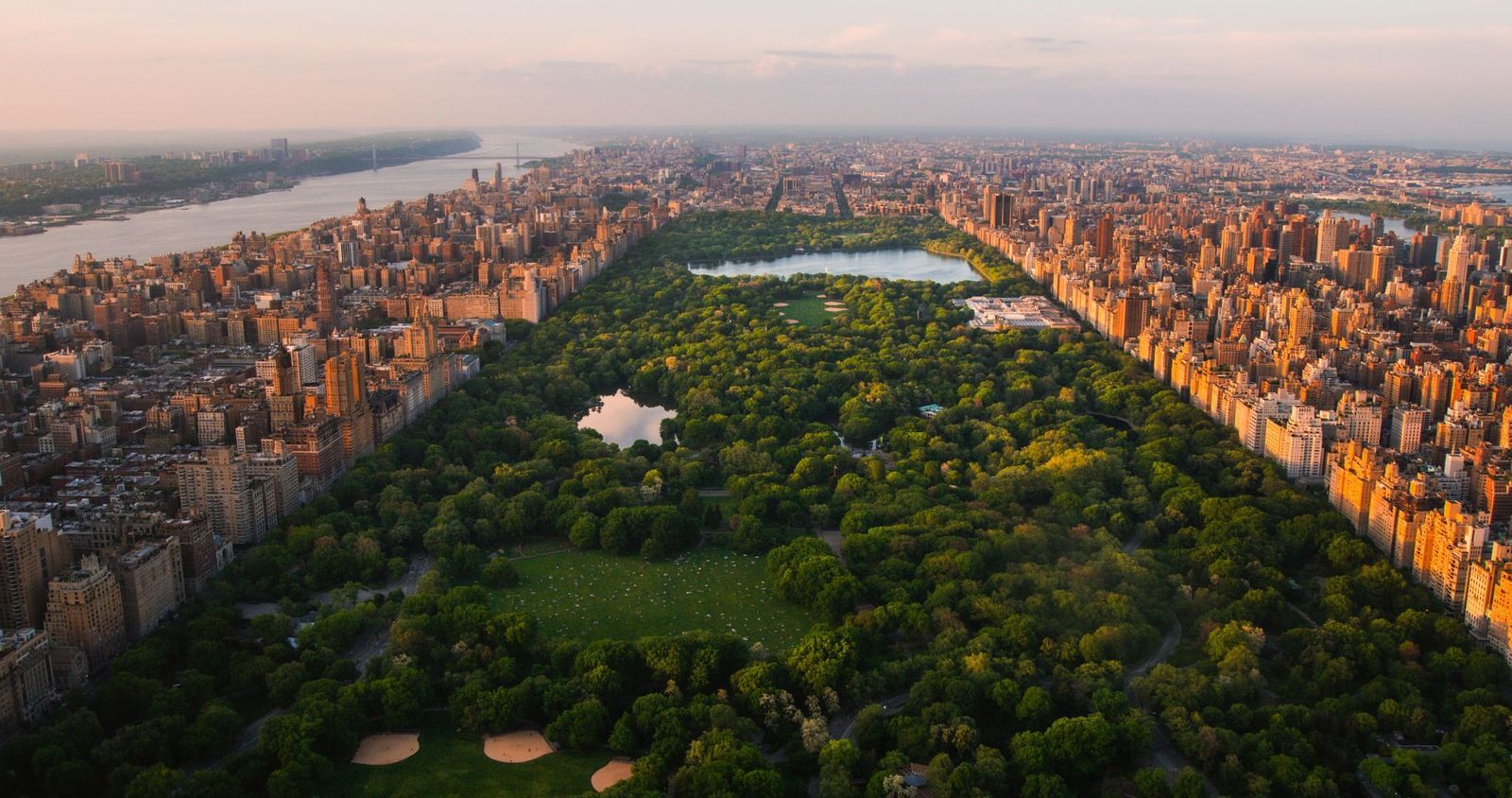
Before the 1850s, the land was mostly rocky, swampy, and unimpressive. Designers Frederick Law Olmsted and Calvert Vaux won a contest to transform it into a naturalistic public park.
Construction ran from 1857 to 1876, requiring more gunpowder than was used at the Battle of Gettysburg to blast through bedrock. Millions of trees, plants, and tons of soil were brought in, creating what looks like untouched nature.
Grand Central has a secret platform once used by FDR
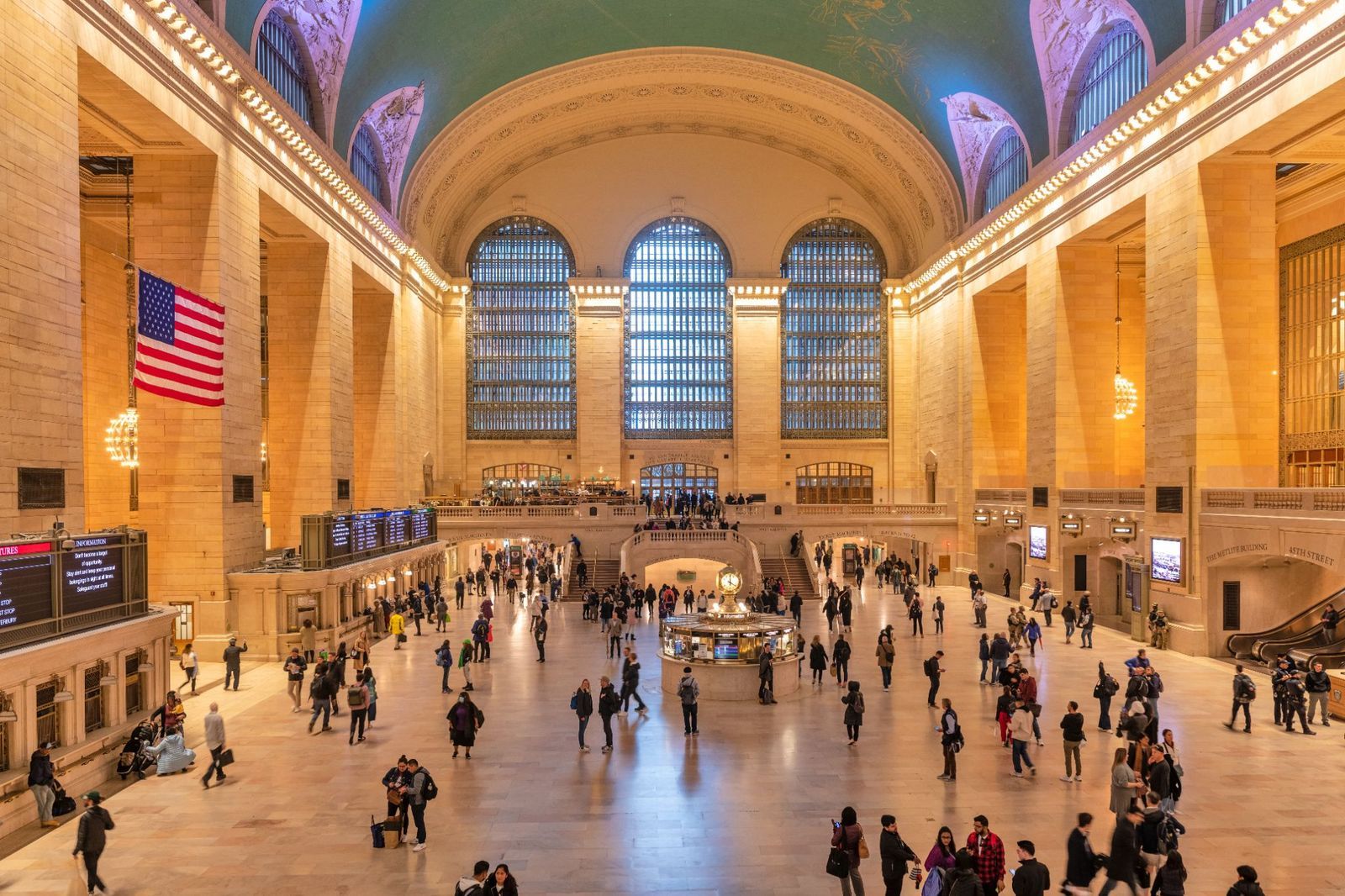
Known as Track 61, it lies beneath the Waldorf Astoria hotel and was reportedly used by President Franklin D. Roosevelt to arrive discreetly, hiding his wheelchair and polio-related mobility struggles from public view.
An armored train car allegedly still sits on the track today. While some details remain debated by historians, the platform itself is real, adding a layer of mystery to Grand Central's grand history.
The Statue of Liberty was originally copper-colored
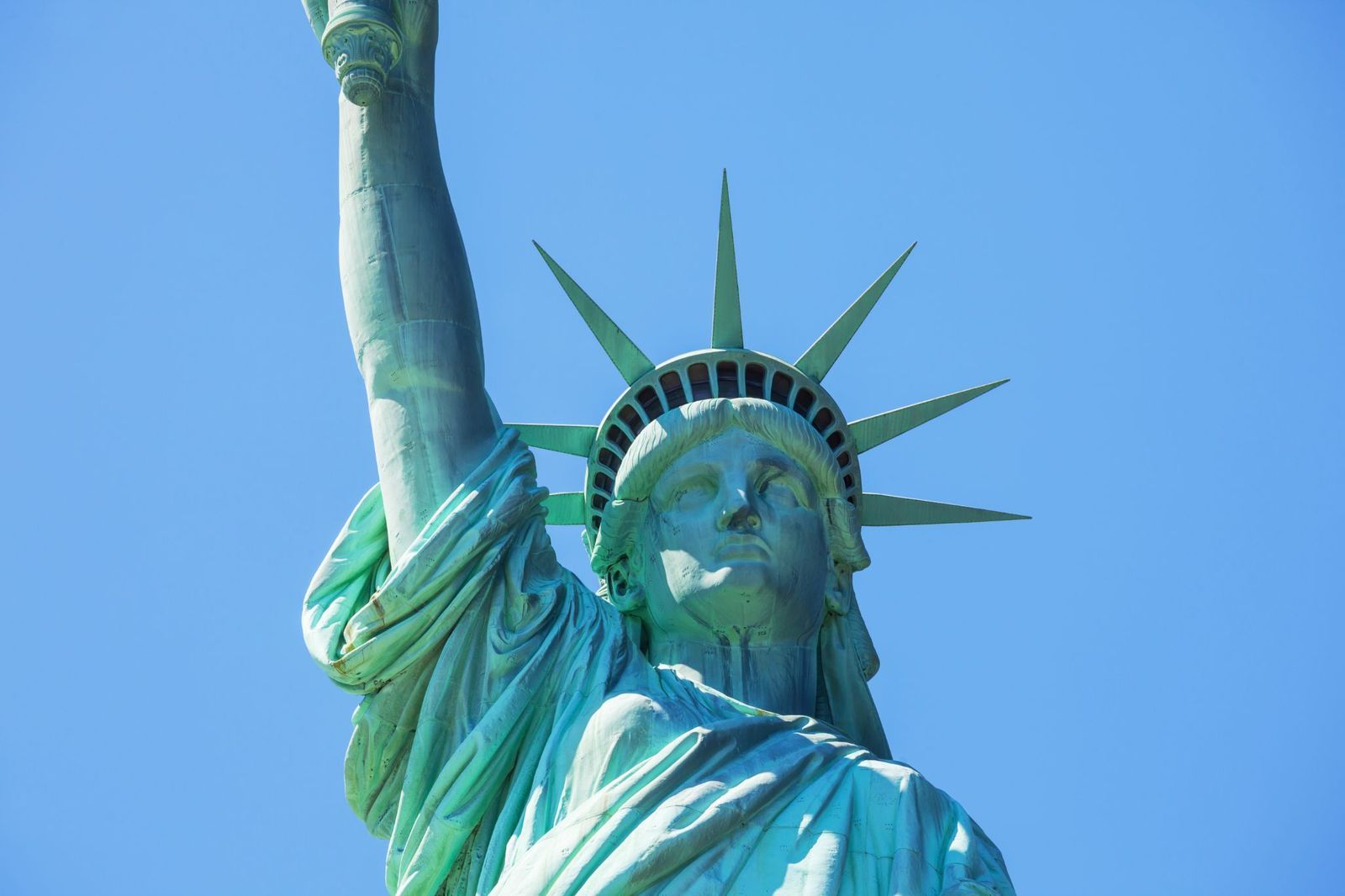
When dedicated in 1886, Lady Liberty gleamed a shiny brown-orange, matching freshly cast copper. Over the following decades, exposure to air and moisture triggered a natural chemical reaction.
By the 1920s, the entire statue had oxidized into the green patina we recognize today. That greenish coating, called verdigris, actually protects the copper underneath, meaning the statue's iconic color is really just weathered metal doing its job.
Manhattan was "purchased" from the Lenape people for goods worth a small sum
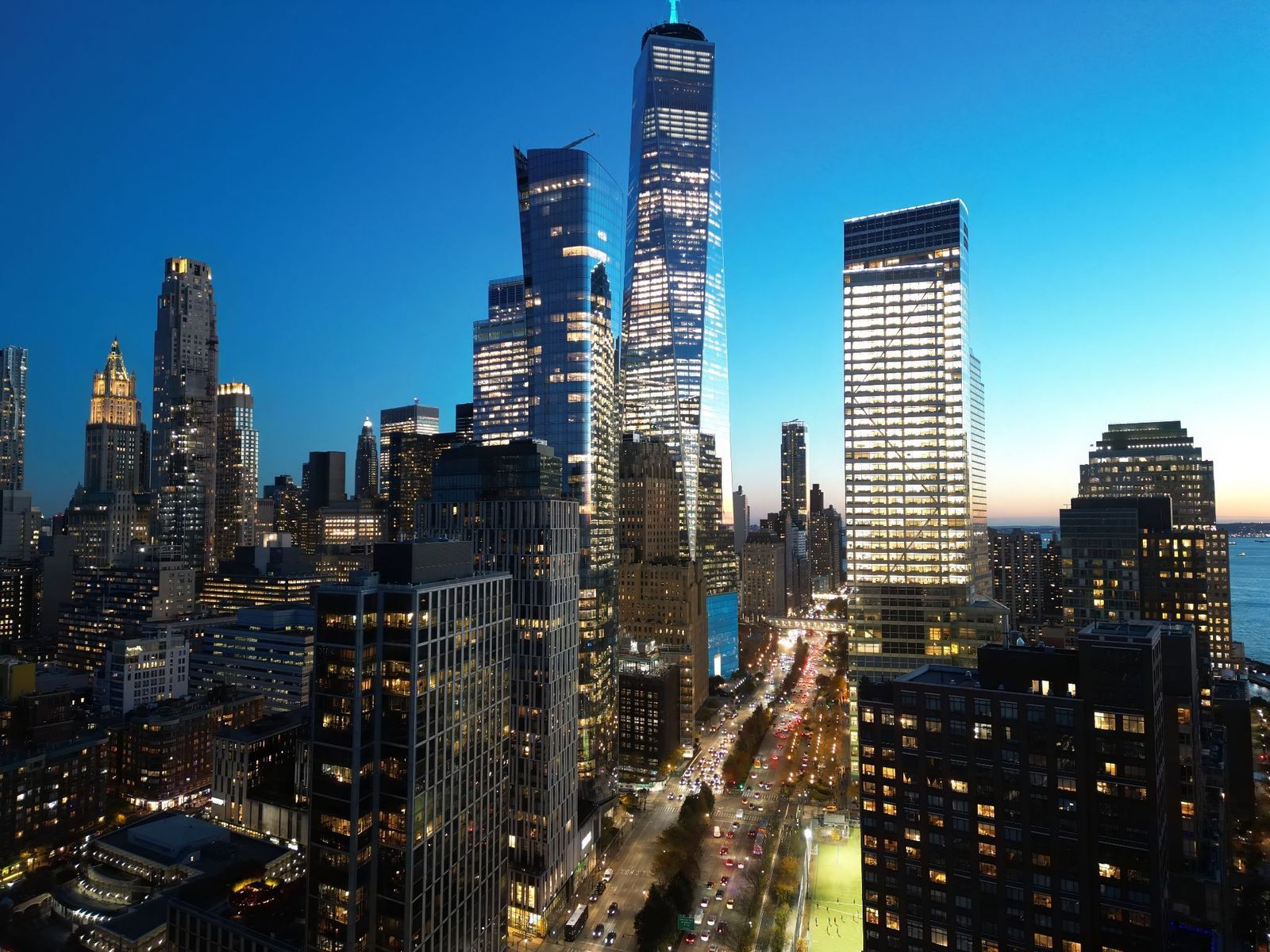
In 1626, Dutch official Peter Minuit reportedly traded goods worth about 60 guilders, often estimated at around $24, to Lenape inhabitants for use of the island.
Historians believe the Lenape may have understood the agreement differently than the Dutch, since they did not share the European idea of permanently buying and selling land. As Dutch and later English settlements expanded, the Lenape were gradually displaced from Manhattan and much of their ancestral homeland.
There's a hidden speakeasy-style bar behind a phone booth in the East Village
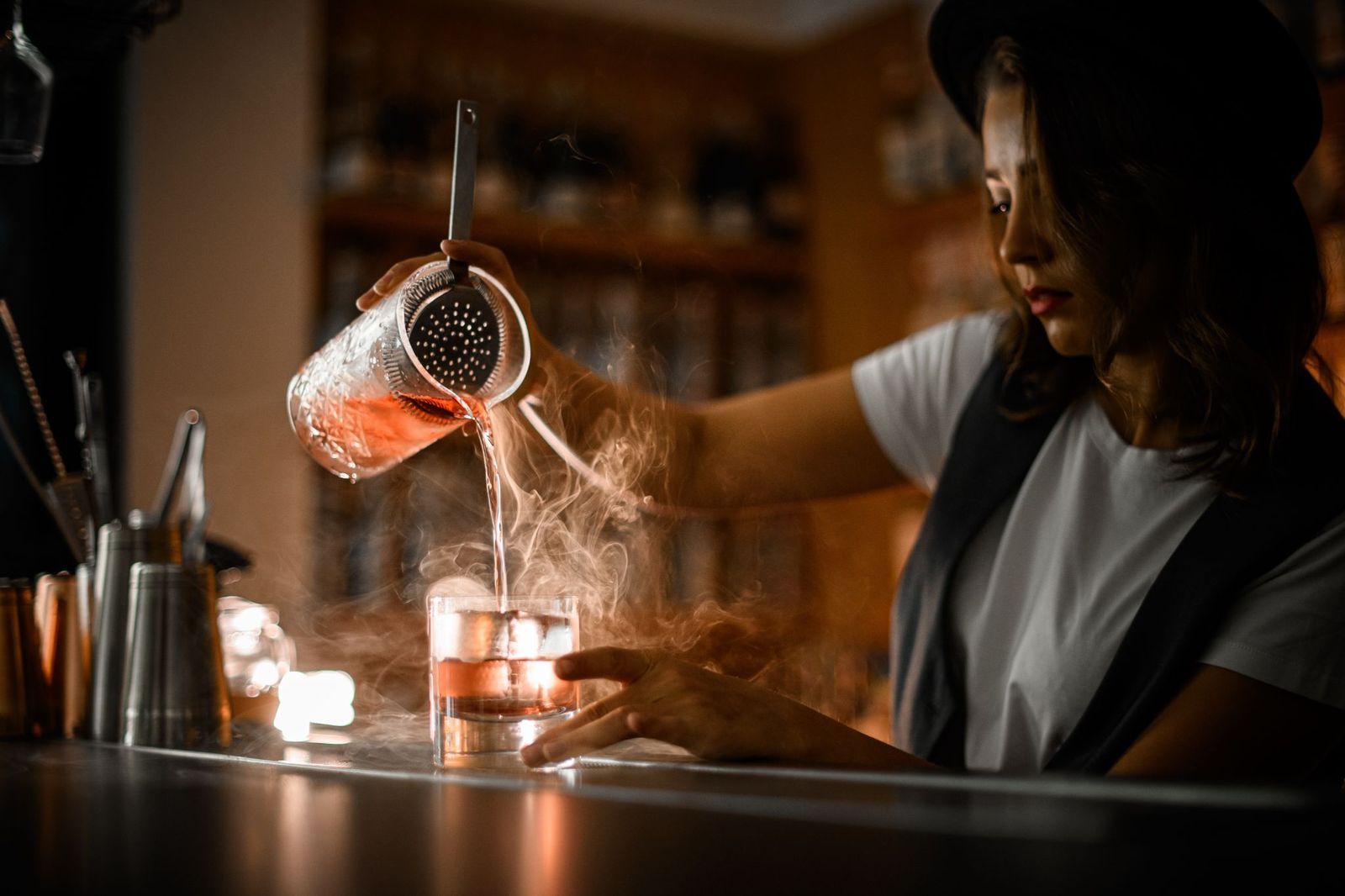
Inspired by Prohibition-era secrecy, a bar called PDT (Please Don't Tell) opened in 2007 with its entrance hidden inside an old phone booth in a hot dog shop.
Guests pick up the phone, and if there's room, a hidden door unlocks. It's not an actual historic speakeasy, but a clever tribute to the era, and it's become one of the city's most talked-about hidden bars.
Keep wandering
There’s always
more to explore
 Geography

This trench could swallow Everest, with room to spare
6 min.
Read Now
Meet the world's strangest Christmas traditions and the tales behind them
6 min.
Read Now
Why your watch should stay at home: 10 tips every traveler needs
5 min.
Read Now
You've watched these movies 100 times... Go stand where they were filmed
3 min.
Read Now