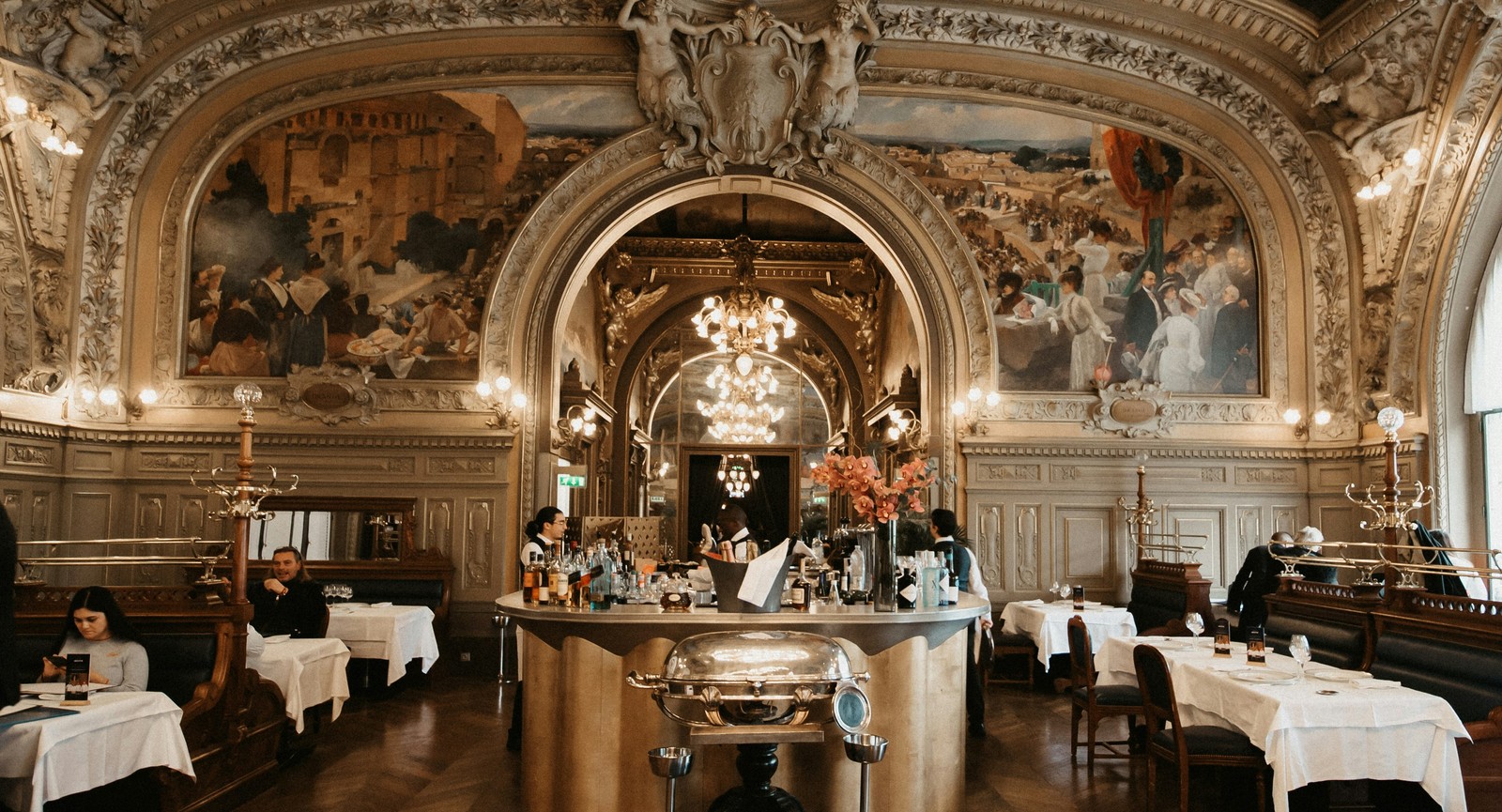
Savoring the past: The 12 most breathtaking historic cafes in the world
 Landmarks
Savoring the past: The 12 most breathtaking historic cafes in the world
Imagine stepping away from the rush of a modern city and into a room where the air smells of roasted beans, old paper, and polished marble. For centuries, the world’s most iconic cafés have served as more than just places to grab a quick caffeine fix; they have been the "living rooms" of history. From the gilded ceilings of Budapest to the bustling market stalls of Cairo, these architectural gems have survived the passage of time. Ready to find your new favorite travel destination? Grab a cup of coffee and let's explore these amazing landmarks.
Chocolatería San Ginés (Madrid, Spain)
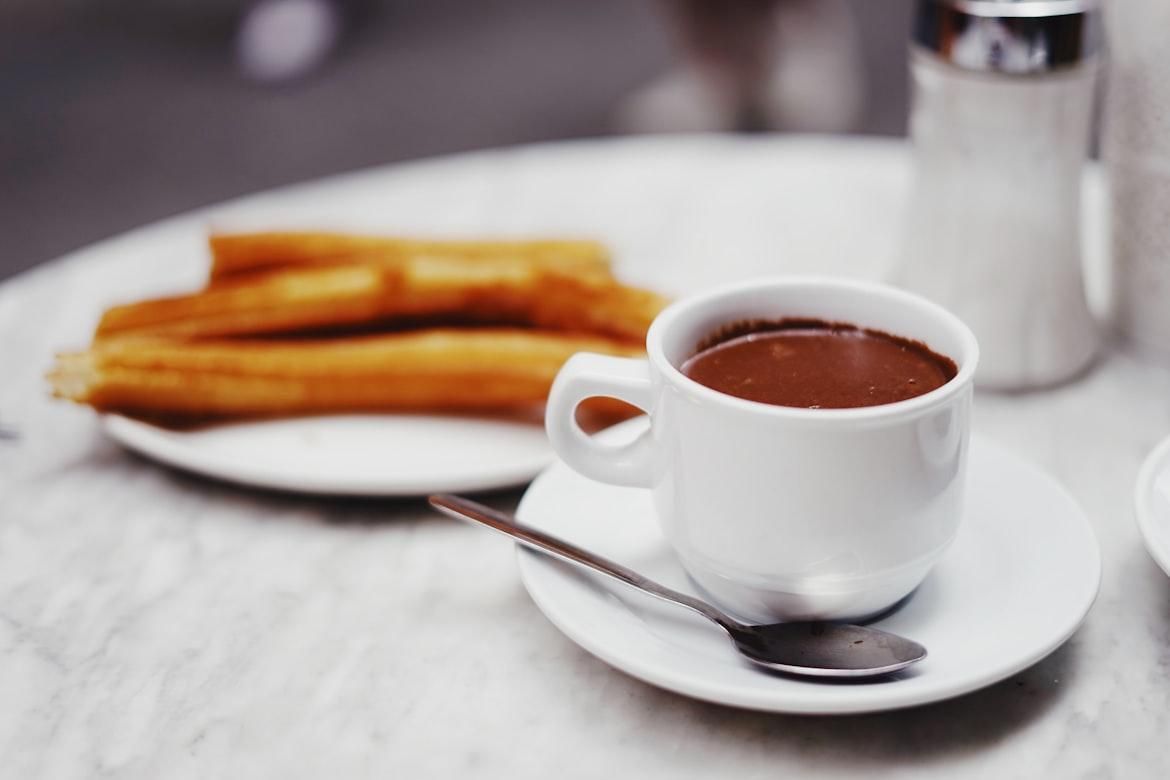 Image: Oscar Nord
Why does a café focused on just one specialty remain so popular? Since opening as a churrería in 1894, Chocolatería San Ginés has centered its menu on churros with thick hot chocolate. Located near Madrid’s Puerta del Sol, it features white tiled walls, marble tables, and a narrow interior typical of late 19th-century cafés. It has stayed in continuous operation and is frequented by locals at all hours. Today, visitors still stop in early in the morning or late at night for chocolate and pastries.
Café New York (Budapest, Hungary)
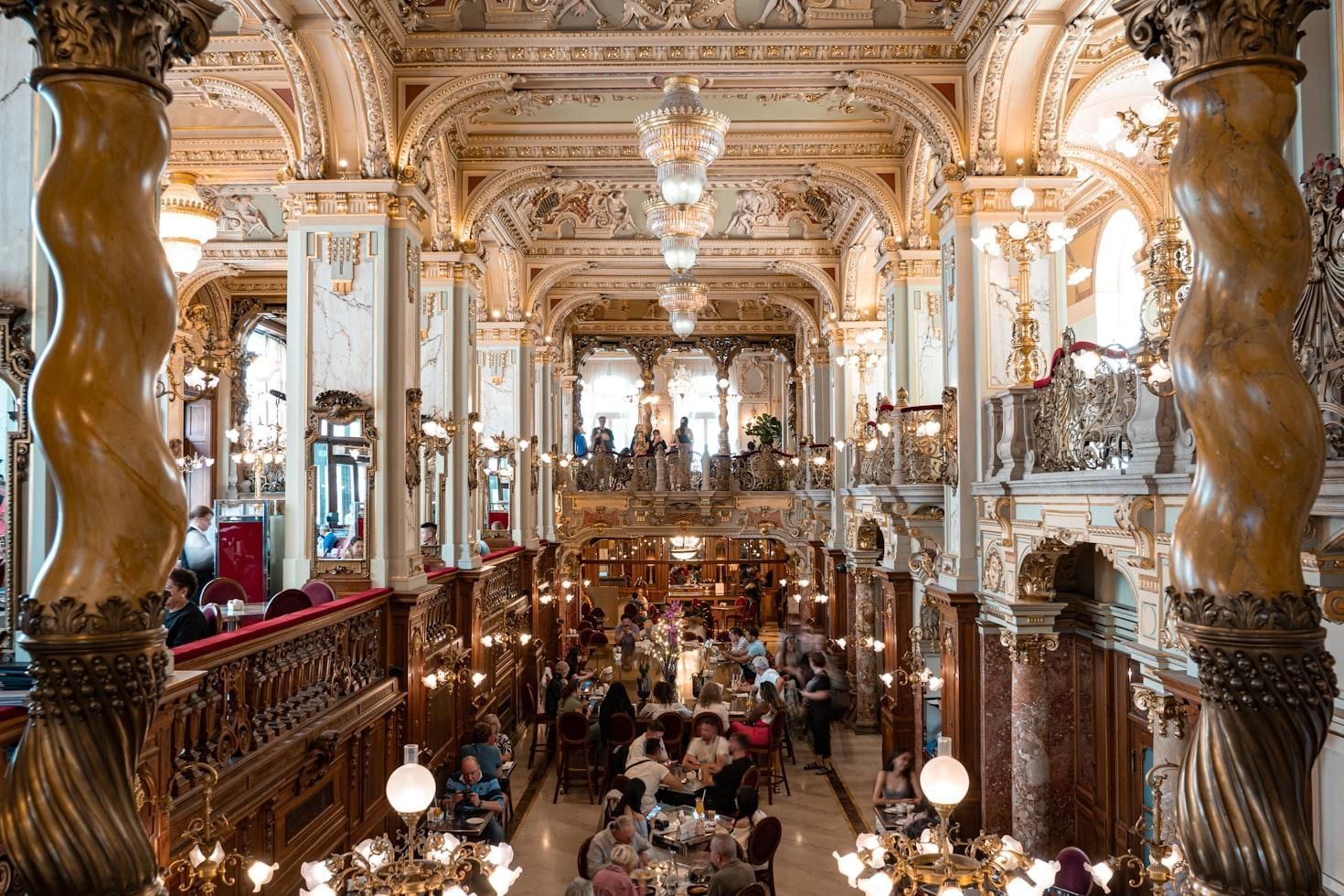 Image: Narbeh Arakil
Marble columns, painted ceilings, and oversized chandeliers define the interior of Café New York, housed inside a former insurance palace on Budapest’s Grand Boulevard. Opened in 1894, the building was designed to project prestige, and the café quickly became a working space for writers, editors, and journalists.
Over the years, the café has gone through several restorations but remains open to the public. If you visit today, you can order espresso, traditional Hungarian pastries like Dobos torte, or full meals while seated in the same highly decorated rooms as the intellectuals of the early 20th century.
El Fishawy (Cairo, Egypt)
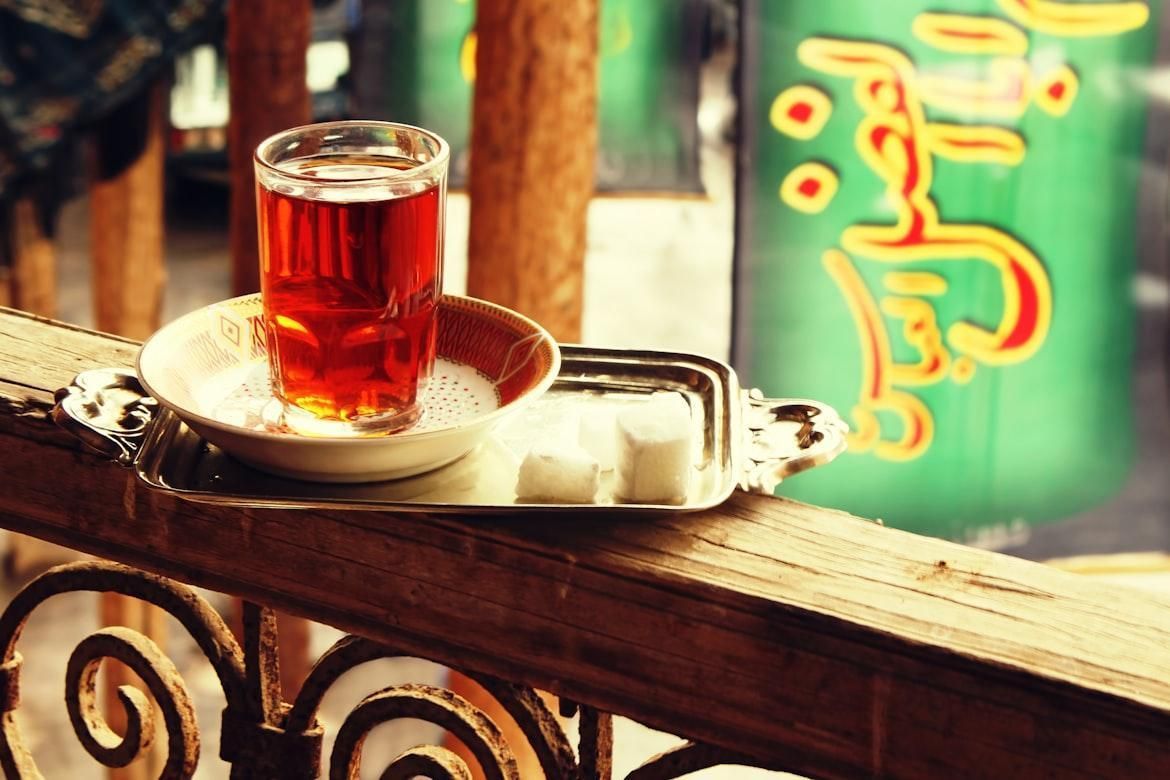 Image: Hasan Almasi
Long before coffeehouses became popular, El Fishawy was part of everyday city life. Established before Napoleon invaded Egypt, it has operated continuously inside Cairo’s Khan el-Khalili market. The café has remained in the same family for seven generations and is largely unchanged, with simple wooden chairs, ornate mirrors, and traditional Egyptian décor.
For centuries, it has served merchants, residents, and visitors as a place to rest and talk. Today, guests drink mint tea or strong coffee while sitting among the constant movement of the surrounding market.
Caffè Florian (Venice, Italy)
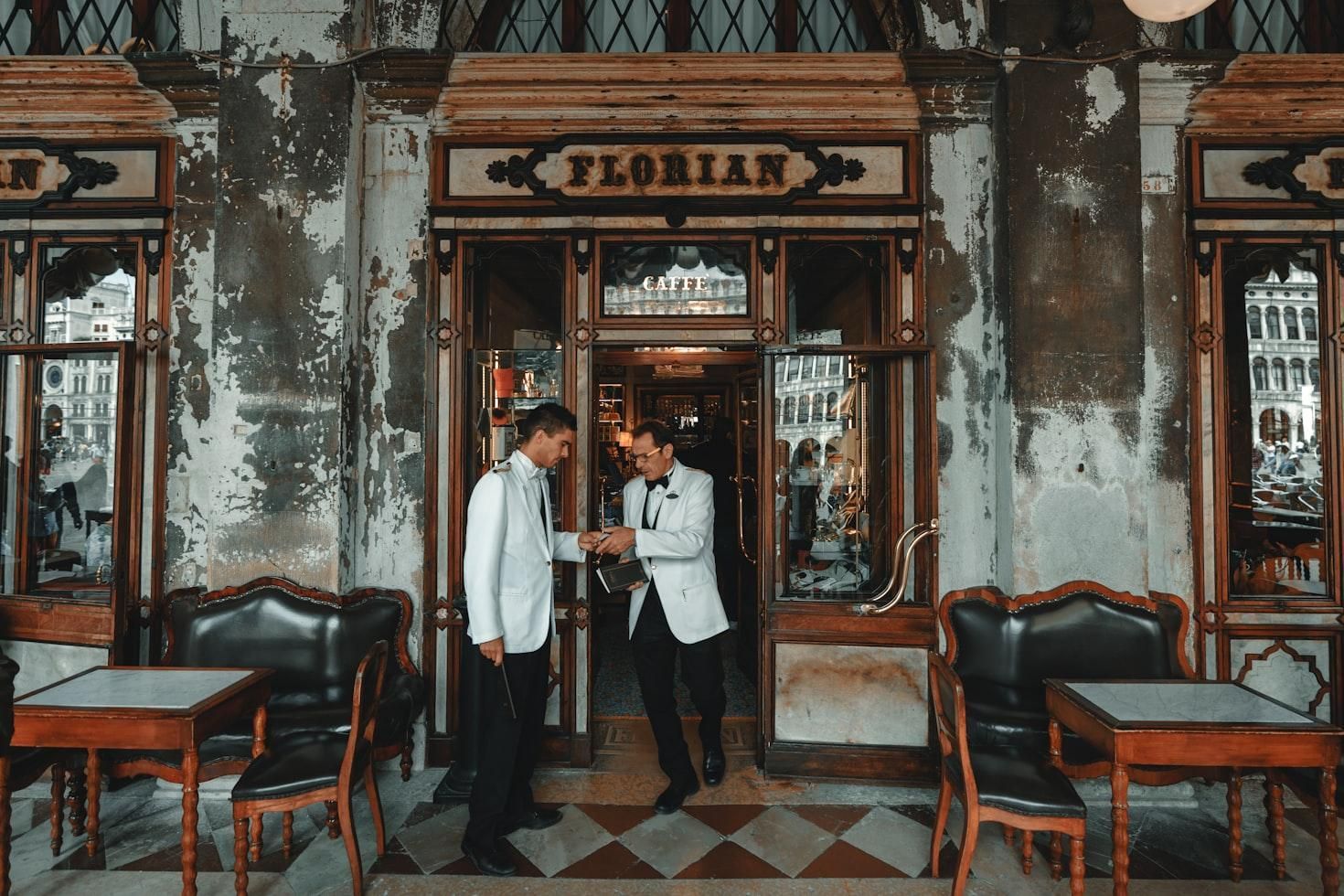 Image: Clay Banks
Opened in 1720, Caffè Florian is one of the oldest continuously operating cafés in the world. Located under the arcades of St. Mark’s Square, it has remained closely tied to Venice’s public life for centuries. The interior includes multiple rooms decorated with frescoes, gilded mirrors, and painted panels, most of which were added during the 18th and 19th centuries.
Over time, it has hosted social gatherings, festivals, and public discussions. Today, visitors can sit indoors or in the square and order coffee, hot chocolate, and traditional Venetian desserts.
Café Tortoni (Buenos Aires, Argentina)
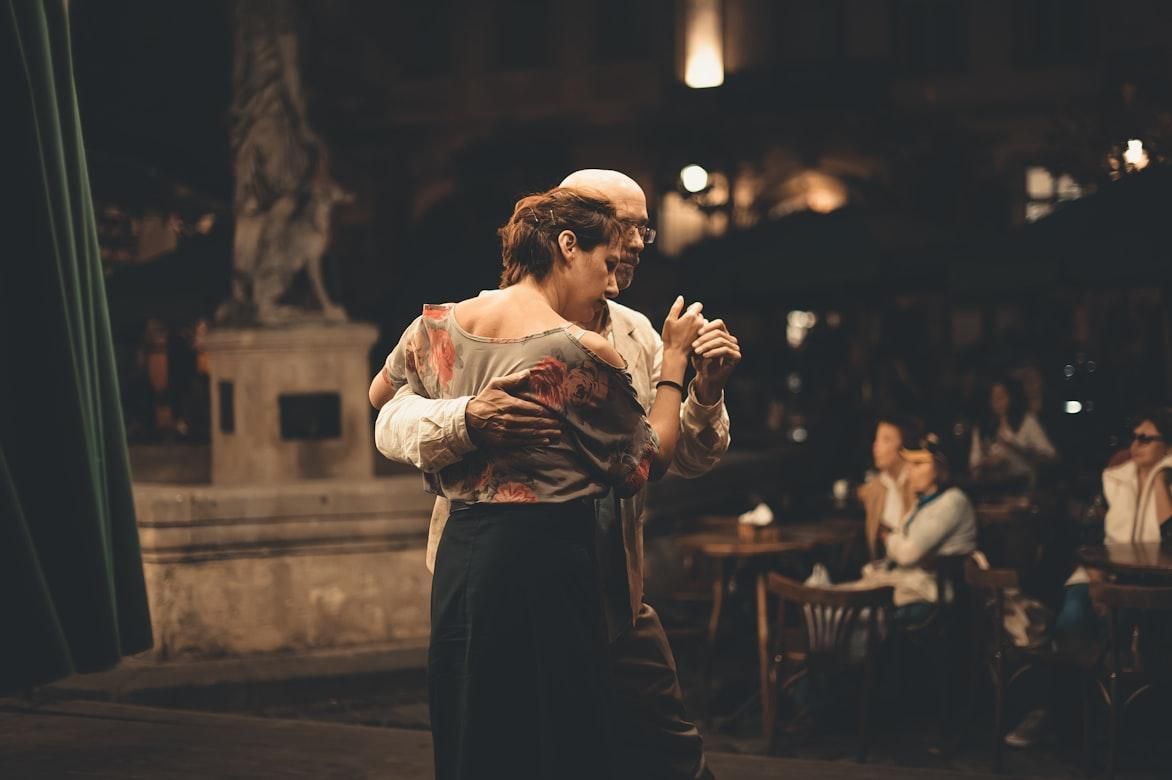 Image: Maksym Kaharlytskyi
Opened in 1858, Café Tortoni is the oldest café in Buenos Aires and a lasting part of the city’s cultural identity. Its interior features stained glass, marble tables, and dark wood details inspired by European café design.
In the early 20th century, it regularly hosted writers, artists, and musicians. The café remains active today, serving coffee, churros, and hot chocolate, and occasionally offering small tango performances in the evening.
Café Majestic (Porto, Portugal)
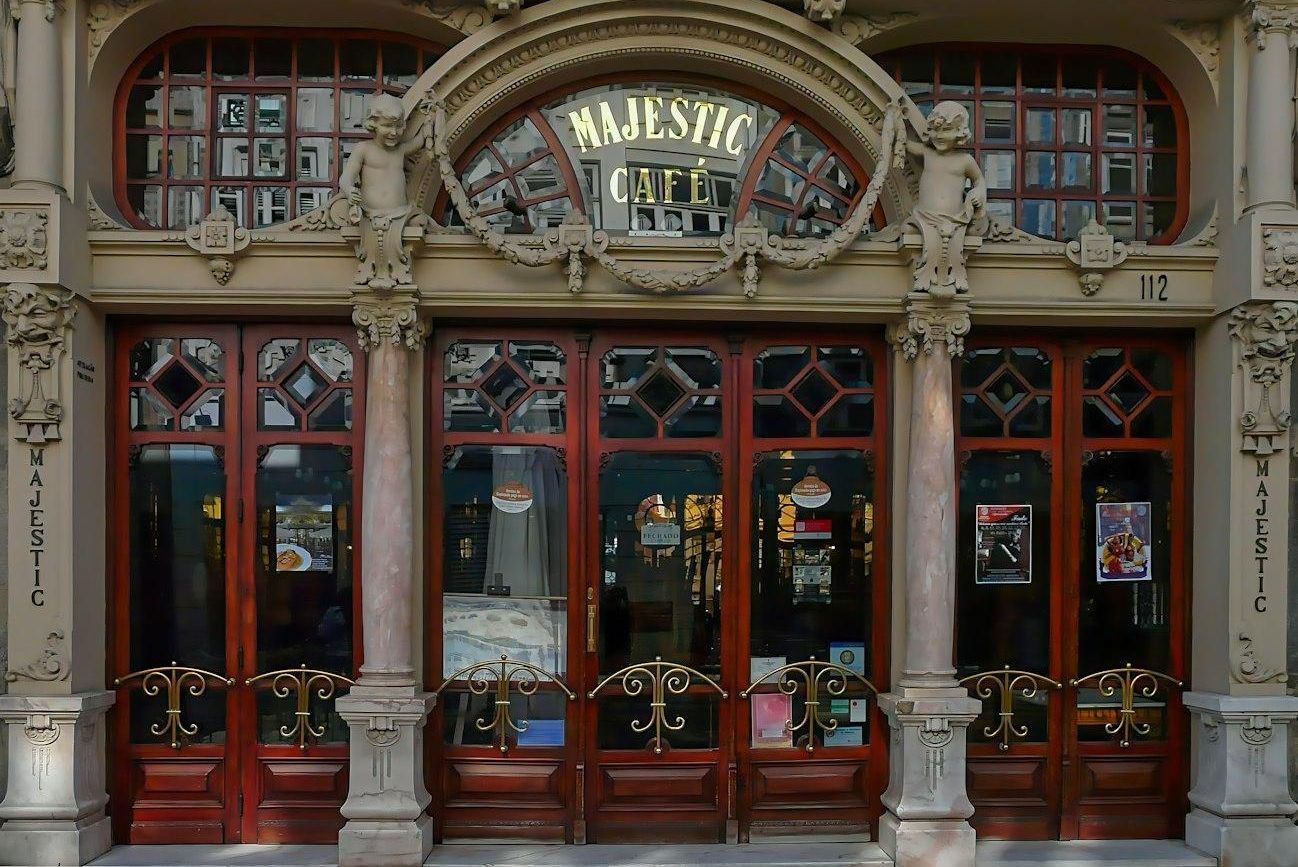 Image: Domenico Adornato
It may look formal at first, but Café Majestic was built as a social space rather than a ceremonial one. Opened in 1921 on Porto’s Rua de Santa Catarina, the café features Belle Époque ornaments such as long mirrors, carved wood panels, and decorative ceilings.
Shortly after opening, it became a meeting place for artists and writers connected to the city’s cultural life. Several restorations have preserved its original appearance. Today, you can stop for coffee, pastries, or light meals.
Café de Flore (Paris, France)
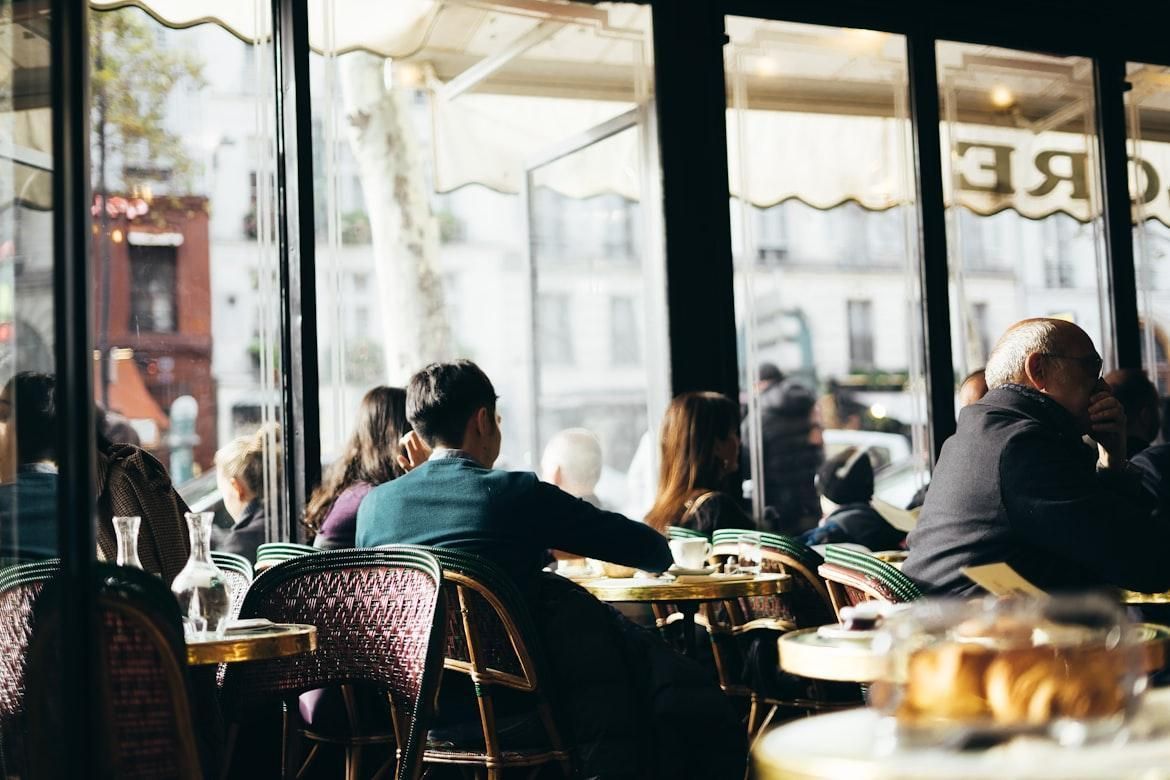 Image: Valentin Kremer
Nowadays, visitors still sit at the same small tables that have lined this café for decades. Café de Flore dates to the late 19th century and remains a familiar fixture of Parisian café life.
Its Art Deco interior, mirrored walls, and compact outdoor seating have changed little over time. For much of the 20th century, especially before 1980, it was closely linked to writers, editors, and publishers working nearby. Guests now order café crème, croissants, sandwiches, and classic bistro dishes much as earlier generations did.
Confeitaria Colombo (Rio de Janeiro, Brazil)
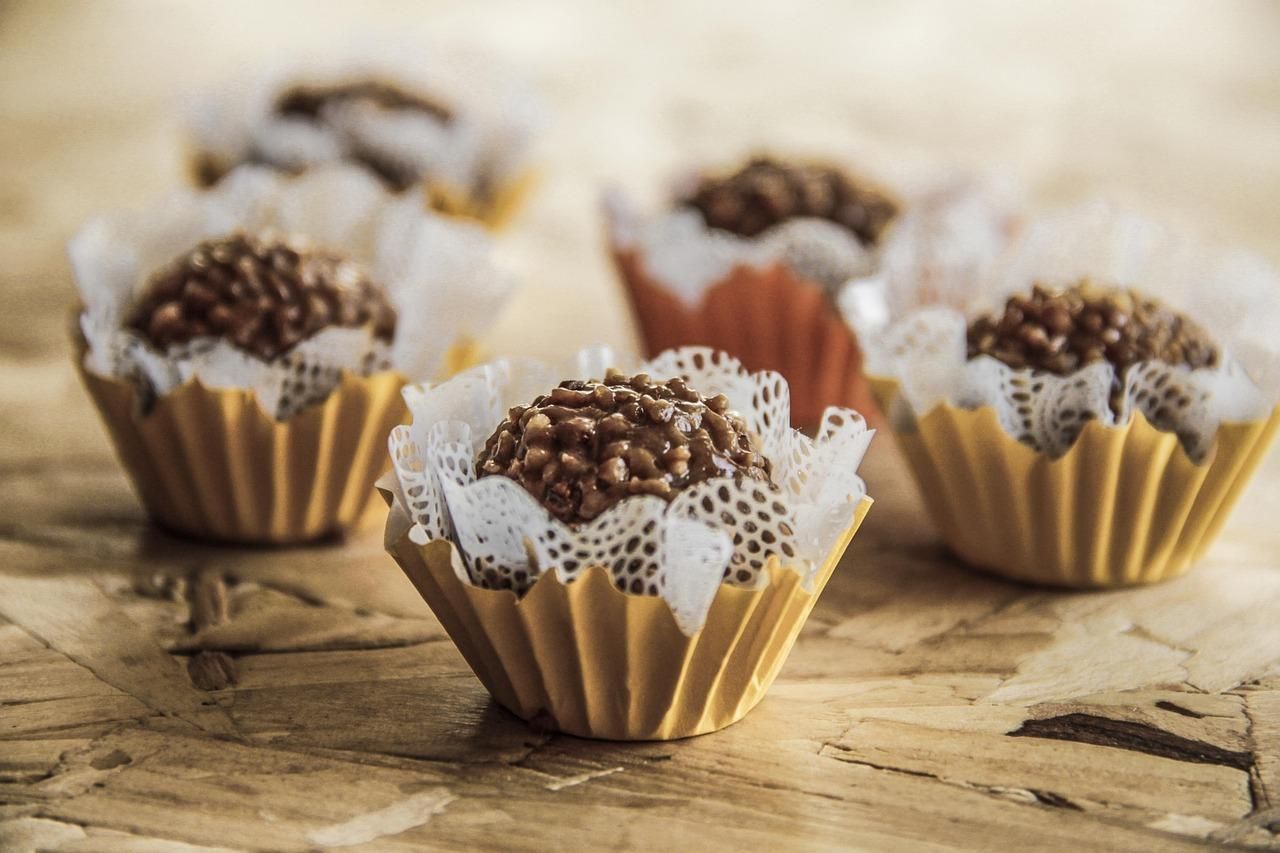 Image: rodrigokvera
Stained-glass ceilings and large mirrors imported from Europe define the main hall of Confeitaria Colombo. Opened in 1894, the café was inspired by European models and became a popular meeting place in downtown Rio during the early 20th century.
Locals, politicians, and artists gathered here regularly. Careful restorations have preserved its original layout and decorative elements. Today, it serves coffee, pastries, and traditional Brazilian sweets in a setting that remains largely intact.
Pierre Loti Café (Istanbul, Turkey)
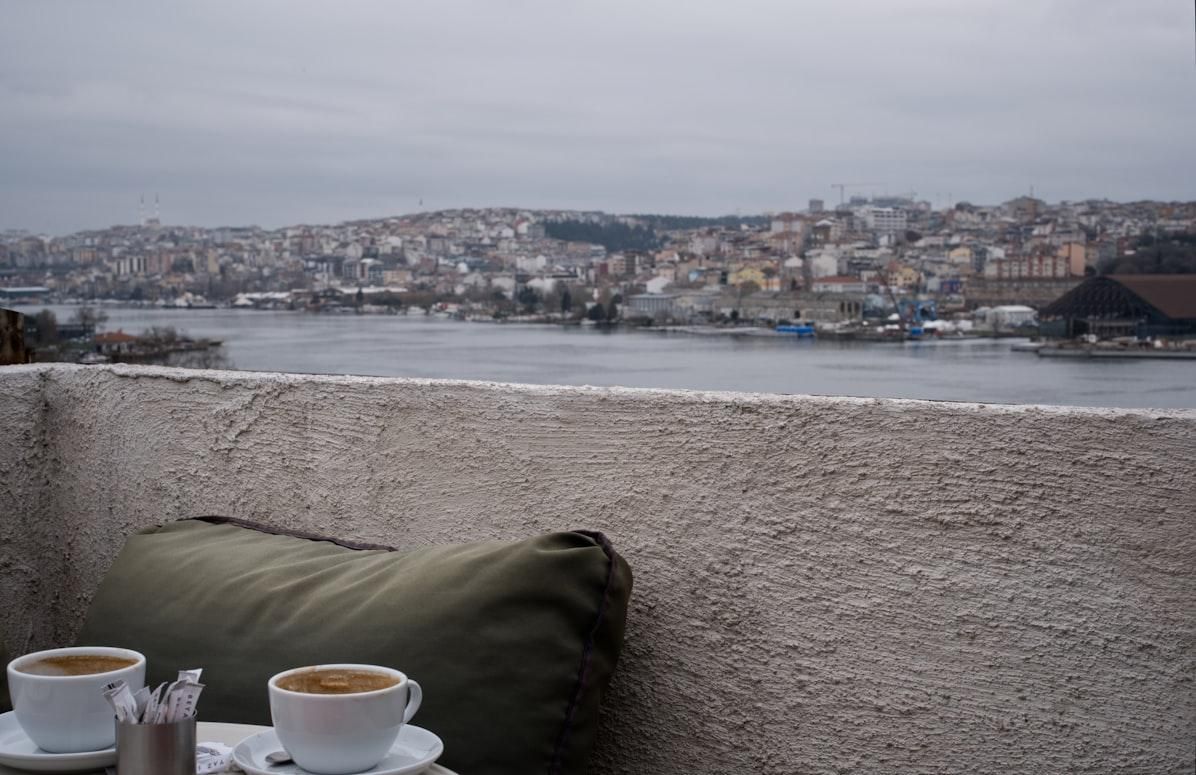 Image: Ilker Ozmen
In this case, the terrace, rather than the interior, has always been the focus. Named after a French writer who visited the area in the late 1800s, Pierre Loti Café sits on a hill overlooking the Golden Horn above the Eyüp district. Historically, it offered a quiet place above the city.
While the structure has been updated over time, the outdoor seating remains its main feature. Today, visitors come for Turkish tea or coffee and spend time enjoying the wide view over Istanbul.
Huxinting Teahouse (Shanghai, China)
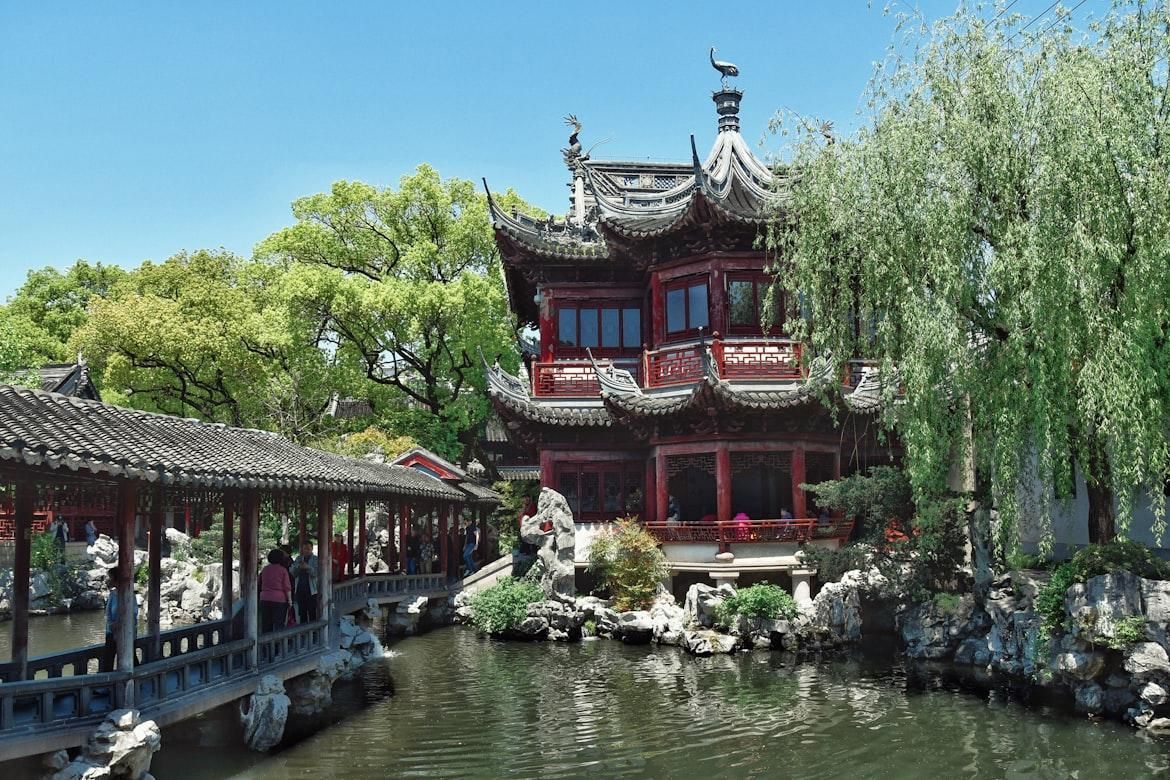 Image: Julieta Julieta
Built in 1855 inside Shanghai’s Yu Garden, Huxinting Teahouse remains part of the historic complex today. The structure follows traditional Chinese design, with carved wooden ornaments and a zigzag bridge leading to the entrance, a common feature in classical gardens. For much of its history, it functioned as a gathering place centered on tea rather than meals.
Visitors today can choose from a variety of Chinese teas and light snacks while seated above the pond and garden paths.
The Russian Tea Room (New York City, U.S.)
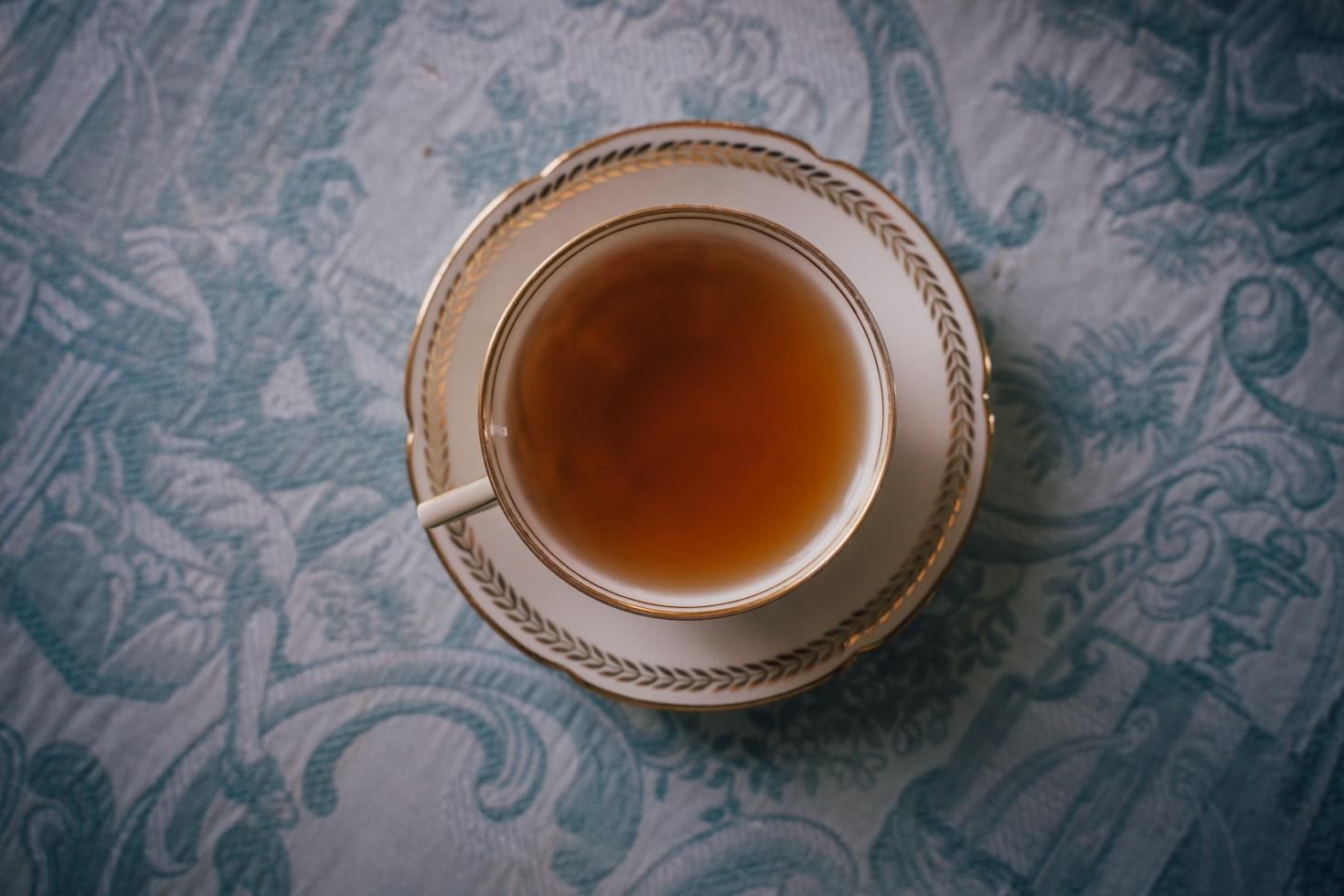 Image: clement proust
Unlike modern coffee spots built for quick visits, this space was designed as part of a cultural evening. Opened in 1927 by members of the Russian Imperial Ballet, the Russian Tea Room became a gathering place near Carnegie Hall. Its red interiors and decorative details were redesigned in the mid-20th century, but it kept its theatrical style.
Over the decades, it has been associated with musicians, dancers, and theatergoers. Now it continues to serve afternoon tea, traditional desserts, and full meals in a formal dining setting.
Café Central (Vienna, Austria)
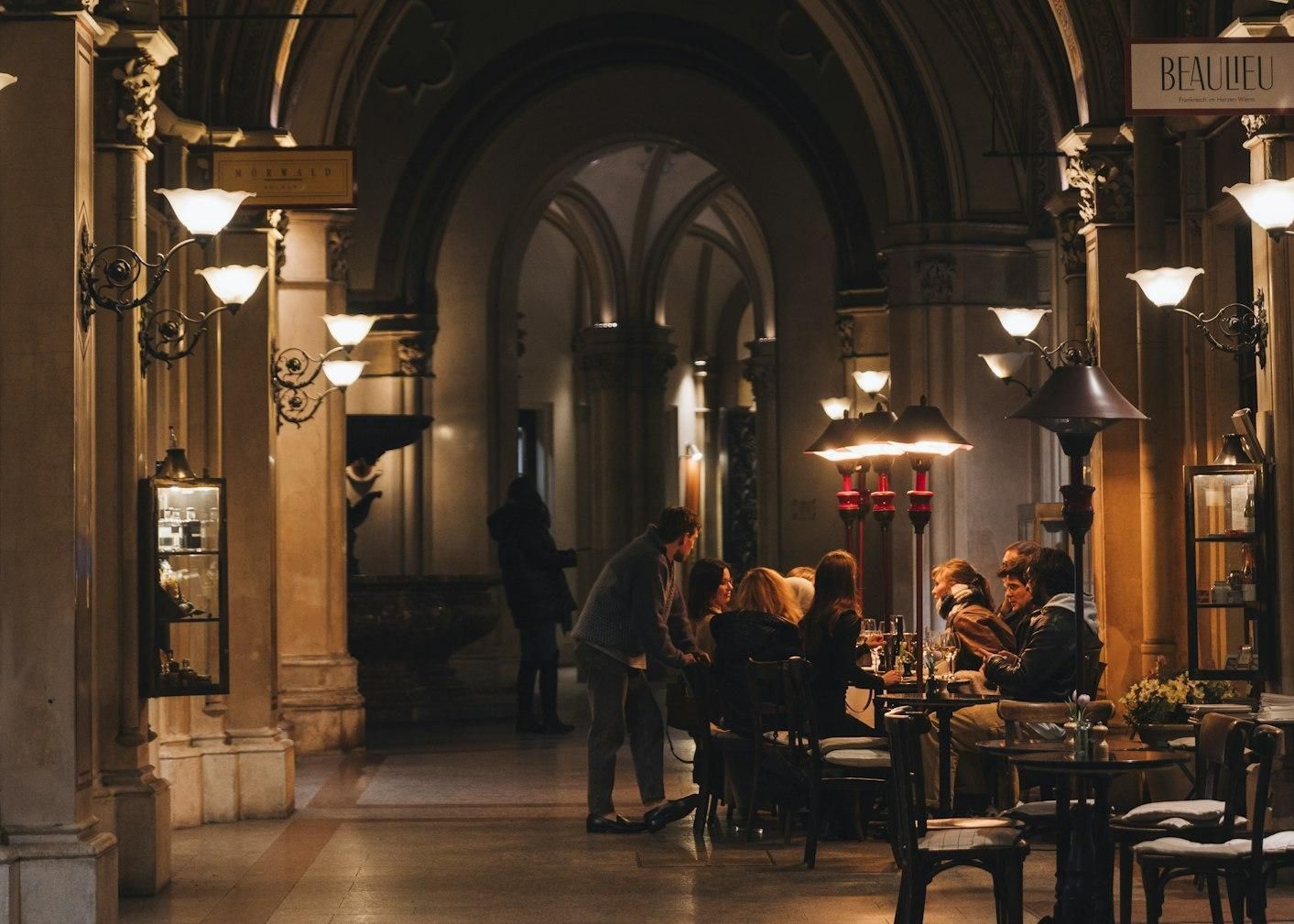 Image: Florian Schindler
This café follows Vienna’s long-standing tradition of slow coffee drinking, reading, and extended conversation. Opened in 1876 inside the Palais Ferstel, Café Central features vaulted ceilings, marble columns, and large open rooms meant for long stays.
Before World War II, it was a regular meeting place for writers, intellectuals, and public figures who spent hours there with newspapers and notebooks. The setting has changed little over time, and today the café continues to serve melange coffee, apple strudel, and classic Viennese pastries.
Keep wandering
There’s always
more to explore
 General

The real reason why TSA agents empty your bottle of water
6 min.
Read Now

The day the music died: The song that said goodbye to early rock 'n' roll
6 min.
Read Now
Drive-in movies were invented for this surprisingly personal reason
7 min.
Read Now
 Culture

11 movies that made millions want to pack their bags
6 min.
Read Now