Rome wasn't built in a day: 6 unmissable spots in the ancient Italian city for art and history lovers
 History
Rome wasn't built in a day: 6 unmissable spots in the ancient Italian city for art and history lovers
 Image: Unsplash
If what they say it's true, no trip to Europe would be complete without visiting the mother of all cities, Rome.
Rome isn’t just an ancient city of almost mythological might and wonder, it is also the modern capital of Italy and one of Europe’s most populated cities. So if you are looking for antique wonders but don’t want to sacrifice your comfort, there is no need to worry, Rome has everything any other major European city has, and more.
Stop to eat a slice of the original Italian pizza, or to have one of the best ice creams in the world, all while looking at the monumental architectural marvels Roman constructors built to pass the test of time. Rome is a city layered by different moments in time, all petrified in the beautiful facades of historical buildings.
The only catch? A city filled with so many attractions and historical artifacts can be confusing to navigate at first, so we made this list to help you find your way through history.
The Colosseum
If you have been to Rome but didn’t visit The Colosseum, have you really been to Rome? Avoid thinking about this question entirely and do yourself a favor: do not miss this impressive monument to Roman ingenuity and engineering skill.
Inaugurated in the year 72 AD, and successively expanded in the following decades, the Colosseum hosted theatrical performances, festivals, and violent and amazingly complex games that required real engineering genius to be brought to life in front of emperors and aristocrats.
Even if you aren’t a history buff, the Colosseum is bound to leave a lasting memory. Being the largest structure left by Roman antiquity, it’s still the precursor for all modern sports arenas and stadiums, providing a time-tested model that is still imitated today.
And just next to this monumental building, you can also visit the triumphal Arch of Constantine, erected by the Roman Senate to honor its emperor after the battle of the Milvian Bridge in 312 AD. Remember to hire a guided tour, not only you will learn lots about the ancient construction techniques used in these massive structures, but you will also save a lot of time queueing and waiting in line.
Baths of Caracalla
In Roman times, these public baths served not only as what the name directly implies but also as complete health and sports centers. They had systems in place to guarantee that visitors would be able to enjoy both hot and cold baths, a swimming pool, saunas, and many other facilities.
This particular public bath was built in the year 216 AD by the emperor Caracalla and covered a total area of 300 square meters under a vast complex of vaulting domes supported by giant stone columns. It was designed to be capable of accommodating as many as 1,500 people at a time, no expenses spared to make the place as splendorous as possible.
The Pantheon
Another unmissable spot for any visitor to Rome**. The Pantheon is by far the best-preserved monument that survived from Roman times.** Despite being built over 2,000 years ago, and living through many catastrophes and reforms, this monument is proof of the impressive building skills of ancient Romans. It is also the burial place of many Italian kings, along with some artists of great renown, like the painter Raphael.
 Image: Unsplash
Roman Forum
For ancient Romans, most political and religious life happened in the forum. Courts, markets, and meeting spots were all over the forum, forming a sort of downtown of antiquity. And although the Roman Forum might be less well preserved than other structures in the ancient city, walking through it’s like traveling back in time into the heart of the ancient Roman Empire.
Vatican City
Even if you are not religious or profess a different faith, Vatican City is a fascinating place to visit. One of the last true city-states in the world, the Vatican is a living relic condensed in an area of less than half a square kilometer, complete with surrounding walls.
 Image: Unsplash
If you have the time to visit this small but captivating city, make sure you do not miss the St. Peter’s Basilica and the Sistine Chapel, home to many Renaissance masterpieces (and Michelangelo’s ‘Pieta’). One word of advice: make sure you buy tours in advance since the lines for attractions inside the Vatican can be extremely long all year round.
Trevi Fountain
The Fontana di Trevi or Trevi Fountain has been popularized in movies, TV shows, and even video games, so even if you didn’t know its name you have probably seen it before. Throw a coin into the fountain to make sure you will return to Rome on your next trip.
 Image: Unsplash
Relax and enjoy the adventure!
Remember that Rome is also a fully modern city with all the comforts and advantages of the contemporary world. So, you don’t need to stop here, make the most out of your trip!
In any case, consider booking all your accommodations and guided tours in advance to make sure you don’t have to miss something just because it's too crowded.
This famous European city will charge you an access fee
 General
Tourists, beware
Tourist taxes: 10 popular destinations that will charge you for visiting
As tourists, we expect to see taxes included in receipts and bills, but have you ever been taxed just for being a tourist? Special tourist taxes are becoming a standard charge around the world, especially in places experiencing tourist overcrowding or in protected environments. These are 10 popular destinations across the world where you are expected to pay an added tourist tax.
Venice, Italy
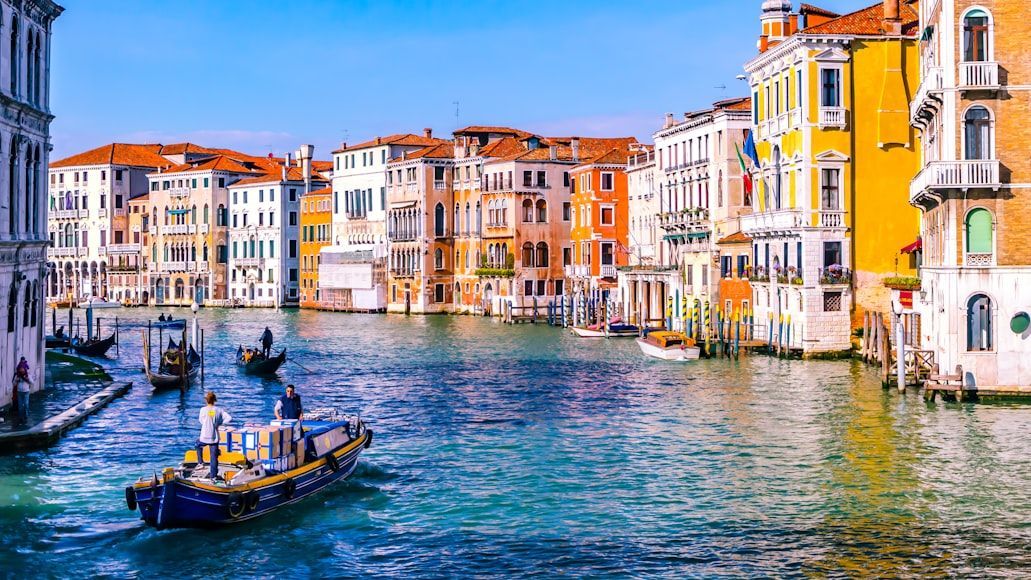
For decades, this Italian city has been looking for ways to deal with the excess of tourism, the lack of space, and the costs of city maintenance. As of 2026, they have implemented a €10 ‘access fee' for day visitors on peak tourism days, with a discounted rate for those who book in advance. Exemptions to this tax include children under 14, residents, workers, students, and overnight guests (who already pay a tourist tax as part of their hotel fees).
USA
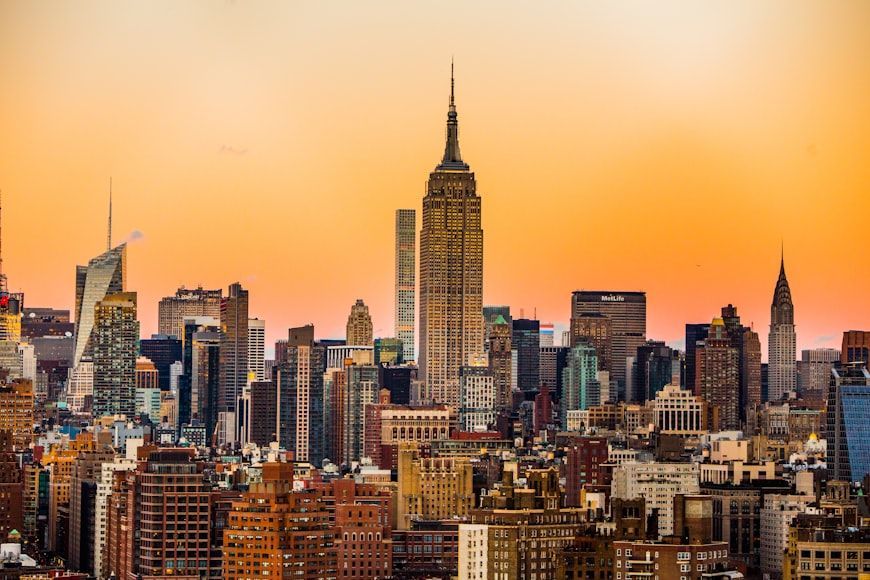
If you thought that tourist taxes were only an issue for those travelling abroad, you're in for a surprise. Several popular destinations in the U.S. have implemented a local tourist tax, usually in the form of a lodging tax, paid as part of the accommodation fees. U.S. cities with a tourist tax include Los Angeles (12-14% of your room rate), New York City (14.75% + a fixed $3.50 per night), San Francisco (14% for stays under 30 days), Honolulu (11% with a 3% county surcharge), and Washington, D.C. (14.95%).
Barcelona, Spain
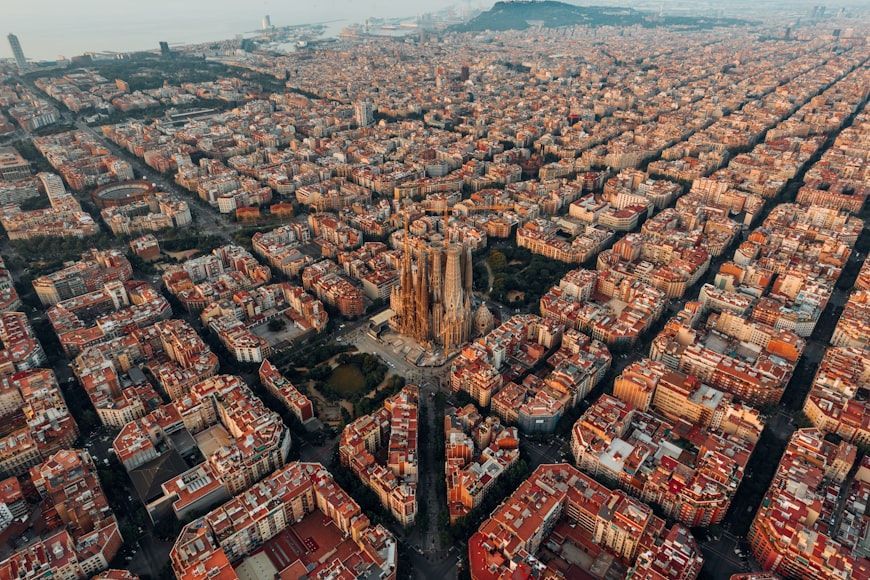
The rising tourism numbers in Barcelona, one of the most visited cities in Spain, have sparked several controversies surrounding overcrowding, the housing crisis, and the impact of tourism on local culture. As a response, a €5 municipal tourist tax has been implemented on top of the existing regional tourist tax (ranging from €2 to €7). The tax is only applicable to a maximum of seven nights per person, and it excludes children under the age of 16.
Mexico
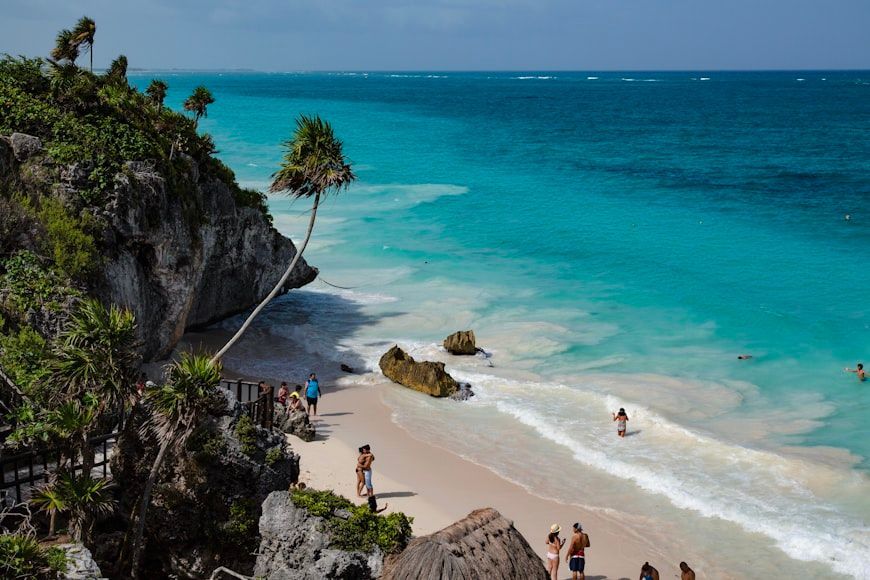
If you are planning to visit Mexico for your next vacation, you might have to add a tourist tax to your budget. While not all of Mexico levies a tourist tax, its most popular destinations do. The state of Quintana Roo, home to tourist hot spots like Cancun, Tulum, and Playa del Carmen, requires all foreign tourists over the age of 4 to pay the $283 MXN Visitax (approximately $16 USD). Recently, the state of Baja California Sur, home to destinations such as Cabo San Lucas, La Paz, and Loreto, has also implemented the "Embrace it" tax for foreign tourists over 13 staying more than 24 hours. This tax has a cost of $488 MXN (approximately $30 USD).
Bali, Indonesia

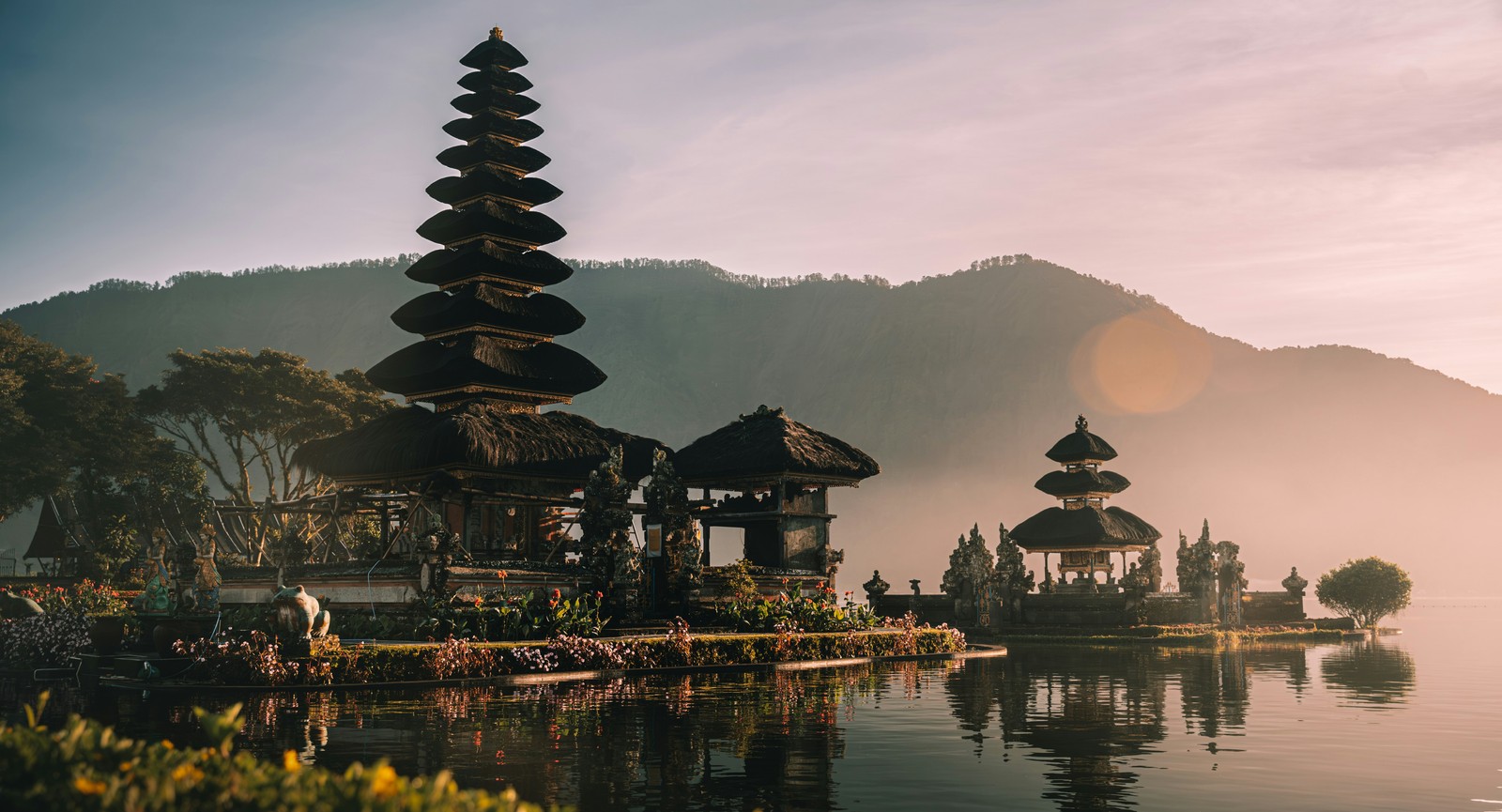
Bali has been a popular tourist destination in Southeast Asia for several decades, and a main attraction for those interested in Hinduism, yoga, or surf. Since 2024, the Indonesian government has implemented a one-time tourist tax of 150,000 Indonesian rupiah (around $10 USD), which needs to be paid beforehand or upon arrival. The tax revenue is intended to support local culture and environmental conservation.
New Zealand
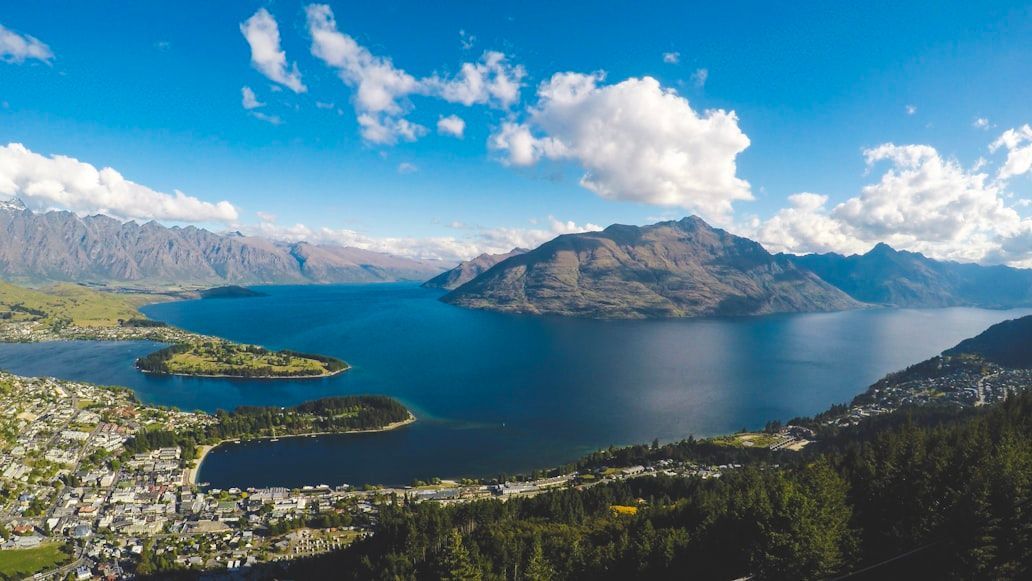
New Zealand is famous for its natural beauty, which makes it a prime destination for those wanting to experience beautiful landscapes, mountains, geothermal springs, and glaciers. However, experiencing these beauties comes with a price, because the New Zealand government charges an International Visitor Conservation and Tourism Levy of NZD $100 (around USD $60), intended to fund infrastructure and environmental protection. This fee is paid online as part of the visa application process.
Galapagos Islands, Ecuador
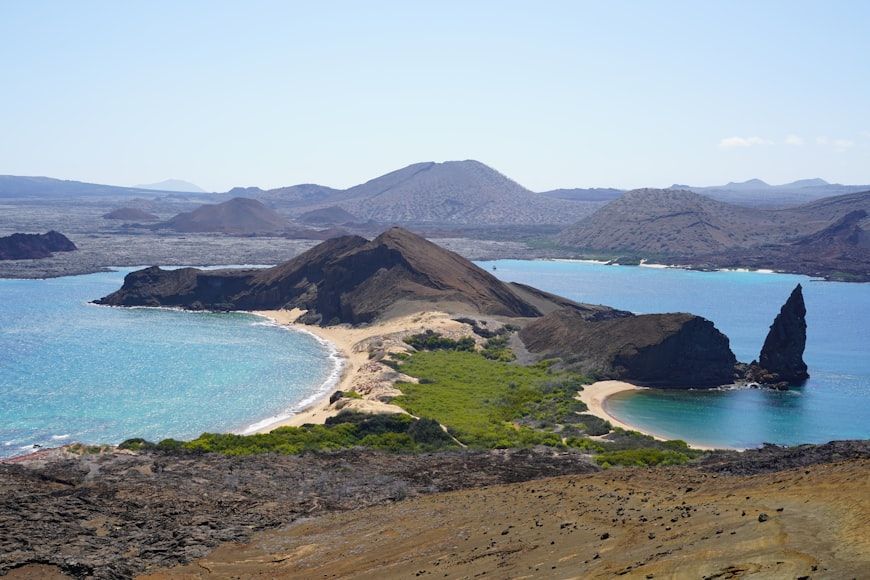
This South American country is home to many beautiful destinations, but none as popular or famous as the Galapagos Islands, a volcanic archipelago with unique fauna, and the inspiration behind Charles Darwin's Theory of Evolution. To access the Galapagos National Park, tourists must pay an entry fee, along with a $20 USD Transit Control Card (TCT), which can be acquired at the airport, paying in cash. For international tourists, the park entry fee is of $200 USD, or $100 USD for those under 12 years old, and it must be paid in cash upon arrival on the islands.
Italy
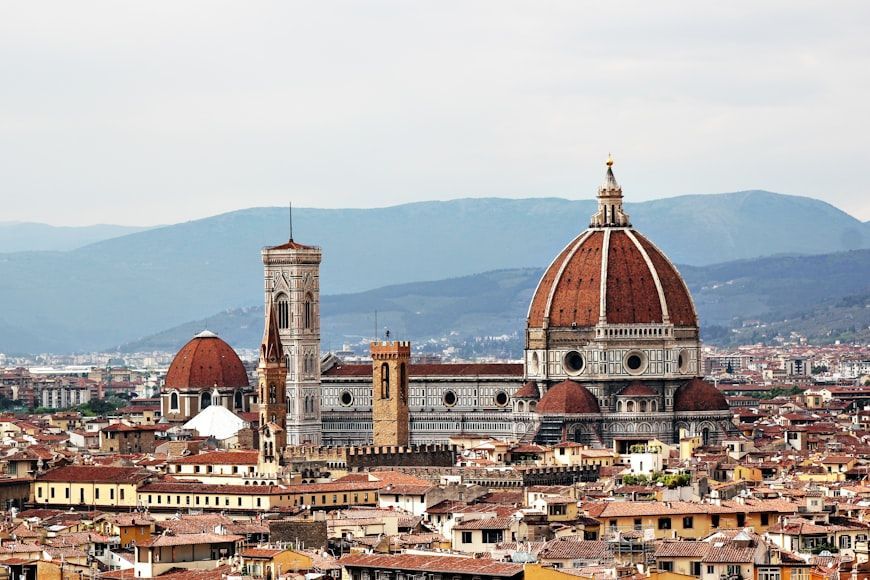
Besides local tourist taxes like the one implemented by the city of Venice, Italian municipalities levy their own tourist tax called Imposta di soggiorno (‘stay tax’), a daily fee for overnight visitors, usually charged through the hotel or accommodation. Rates for this tax will vary depending on the city, season, and hotel star rating, but it usually ranges from €1 to €10 per night, with many cities capping the tax to a certain number of days.
Buenos Aires, Argentina
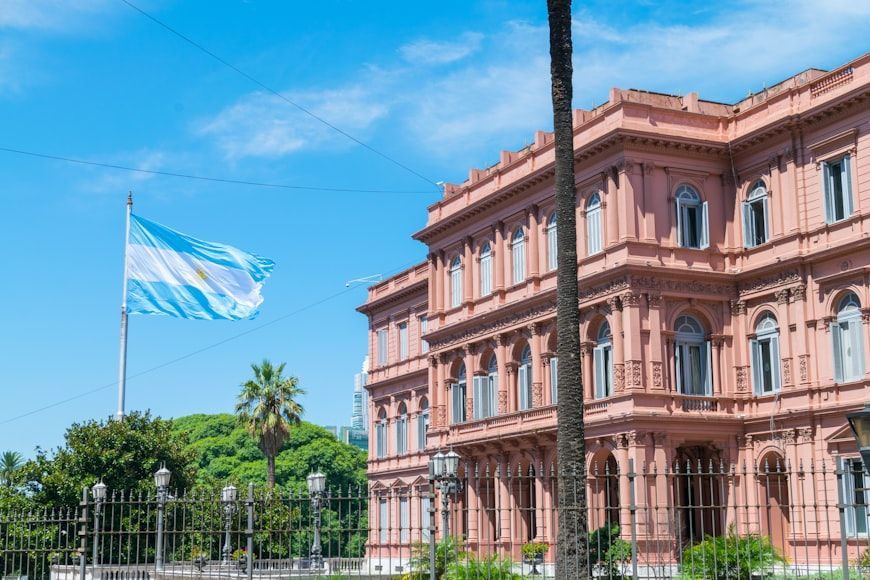
The Argentine capital city is a popular tourist destination due to its mix of European architecture with Latin American culture, its gastronomy, and its cultural life. However, tourists visiting the city are not free from additional taxes. Since 2020, the city government has implemented the Derecho de Uso Urbano (‘Urban Use Right’) tax, a $1.50 USD fee per person per night, paid through the hotel or accommodation. Revenue from this tax is intended to fund tourism infrastructure and promotion.
Japan
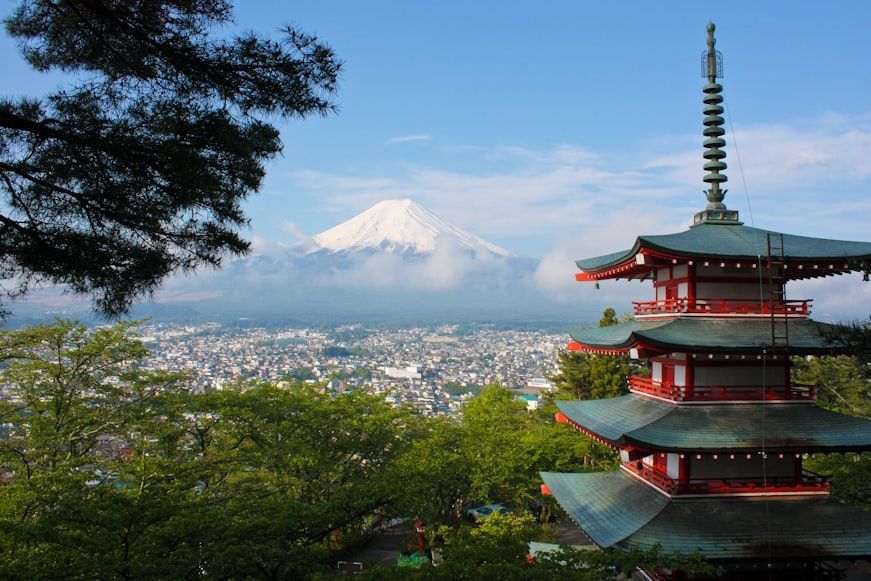
Since 2019, Japan has been charging tourists an international departure tax, often called the Sayonara tax, with the purpose of combating overtourism. The ¥3,000 (approximately $20 USD) fee is automatically included in the airplane or ship departing ticket. Additionally, cities experiencing tourism overcrowding —such as Kyoto and Tokyo— have significantly raised their accommodation tax, which can range from ¥200 ($2 USD) to ¥10,000 ($65 USD) per night, depending on your room rate.
Keep wandering
There’s always
more to explore

How one package of macadamia nuts made the pilot turn the plane around
5 min.
Read Now

Nearly everyone in this town lives in one 14-story building
6 min.
Read Now
 Culture

Can too many visitors change a town forever? The truth about tourism
6 min.
Read Now
Chernobyl: the residents were told they’d be back in three days
6 min.
Read Now