
Many hotel guests aren't aware of these 12 practical hotel tips, are you?
 General
Enjoy your stay!
Many hotel guests aren't aware of these 12 practical hotel tips, are you?
Checking into a hotel can feel like stepping into a small world of its own. From polished lobbies to room service and resort fees, there are layers of service that first-time guests may not expect. And some that even seasoned travelers may not be aware of. A little preparation can help you avoid surprise charges and make the most of your stay. Did you know about these 12 practical tips?
Bring your ID and a credit card

Hotels typically require a valid government-issued ID and a credit card in the guest’s name at check-in. Even if you prepaid online, the front desk staff will usually verify both before issuing your room key. Therefore, make sure that the name on the reservation matches your ID.
Also, at check-in, hotels typically place a temporary authorization hold on your credit card. This covers potential charges such as room service, minibar snacks, or incidental damage. The hold can range from $50 to several hundred dollars, depending on the establishment.
Watch for resort or destination fees
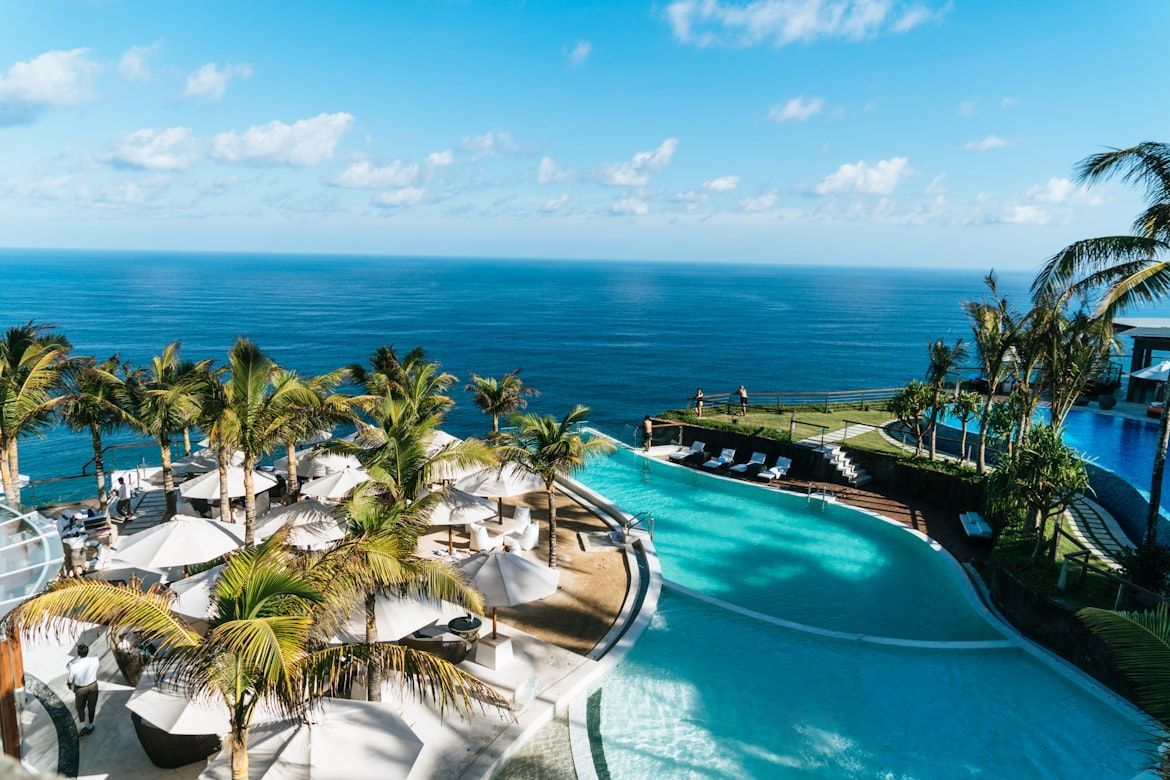
Some hotels add a daily resort or destination fee that may not be included in the advertised room rate. These fees often cover amenities such as Wi-Fi, gym access, bottled water, or pool use.
Always review your confirmation email carefully. Knowing the total nightly cost in advance can prevent unpleasant surprises when you settle the bill.
Arrive during standard check-in hours
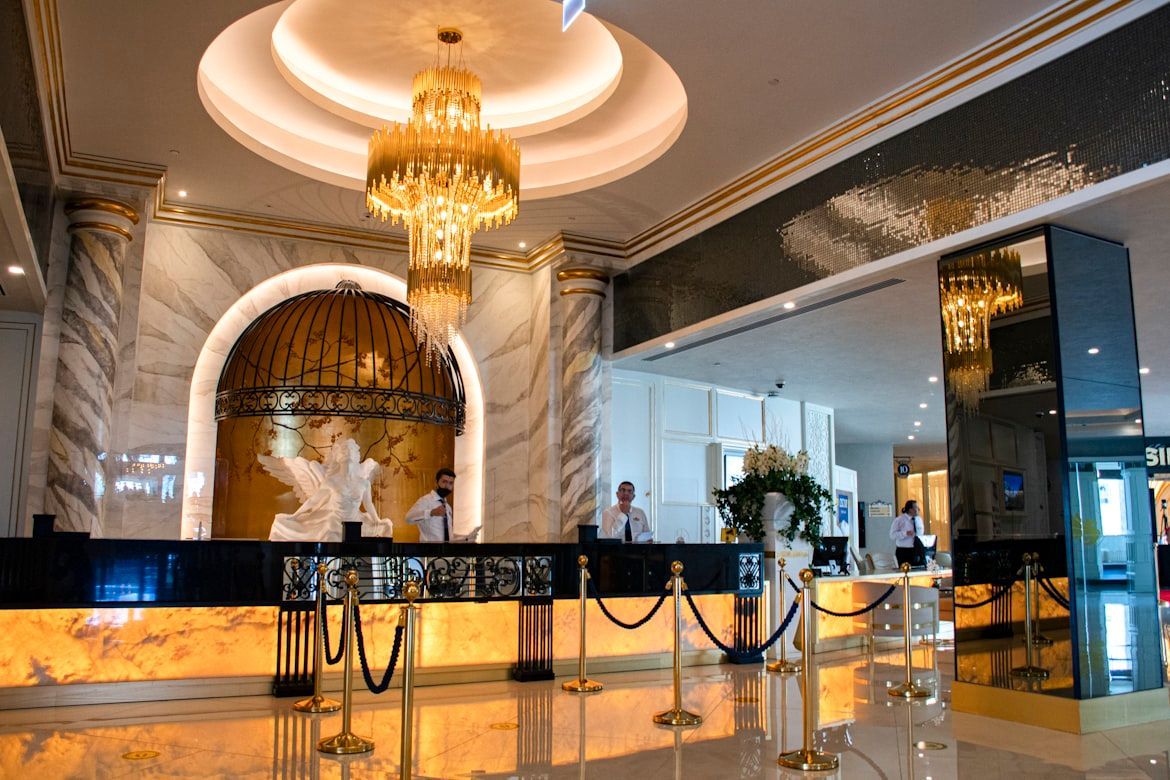
Most hotels set check-in times around 3:00 or 4:00 p.m. Arriving earlier does not always guarantee immediate room access, especially during busy travel seasons.
If you arrive early, the hotel may store your luggage until your room is ready. Calling ahead can sometimes help you secure an early check-in.
Take advantage of the concierge service
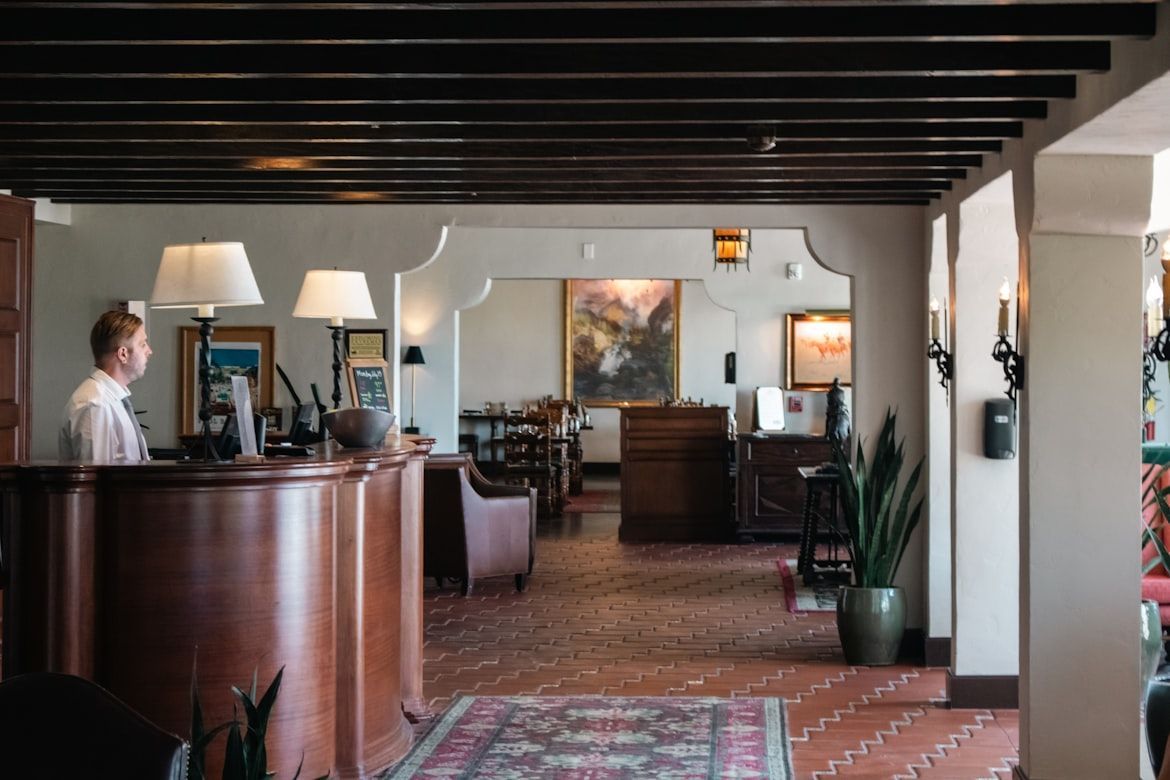
Many mid-range and upscale hotels have concierge desks staffed by local experts. They can recommend restaurants, arrange transportation, and help book tours or tickets.
For visitors unfamiliar with the area, this service can save time and reduce stress. Don’t hesitate to ask questions, as they are there to assist you.
Dining options
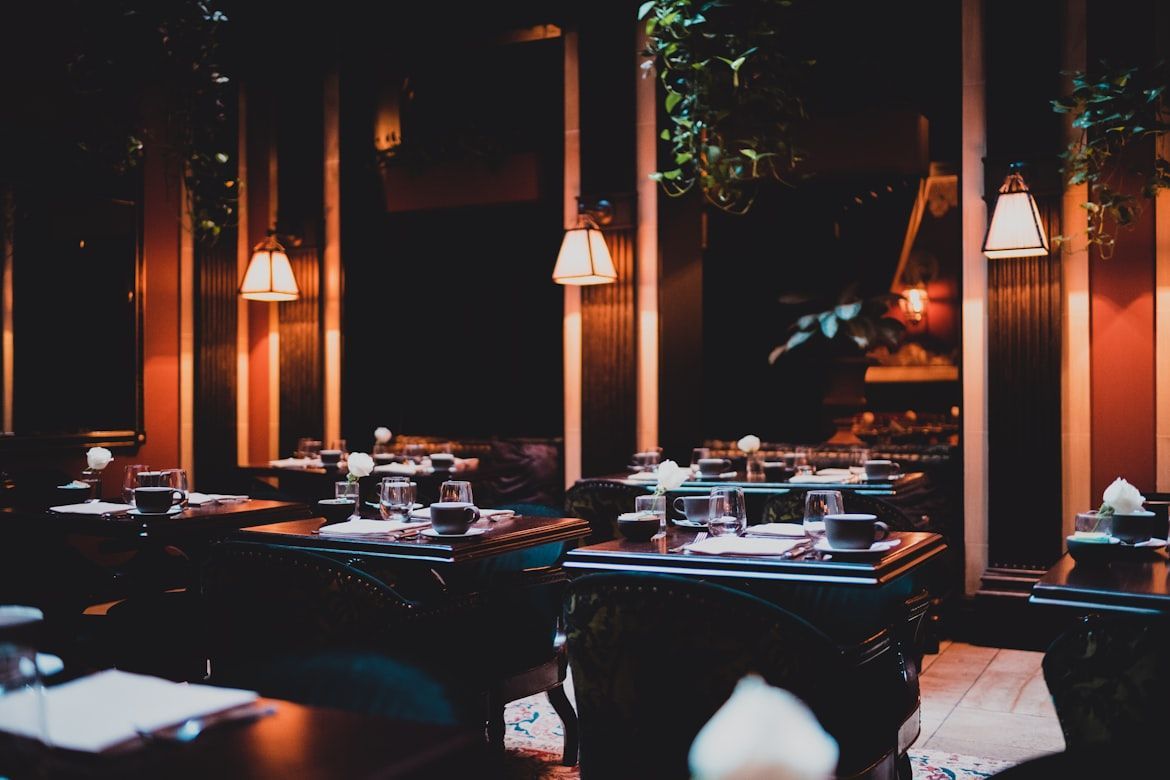
Many hotels offer on-site restaurants, breakfast buffets, coffee shops, and room service. These options are convenient but often cost more than dining at nearby restaurants.
Ask about breakfast costs before sitting down, especially if it isn’t included in your rate. Exploring local cafés can be both enjoyable and economical.
Bring appropriate clothing
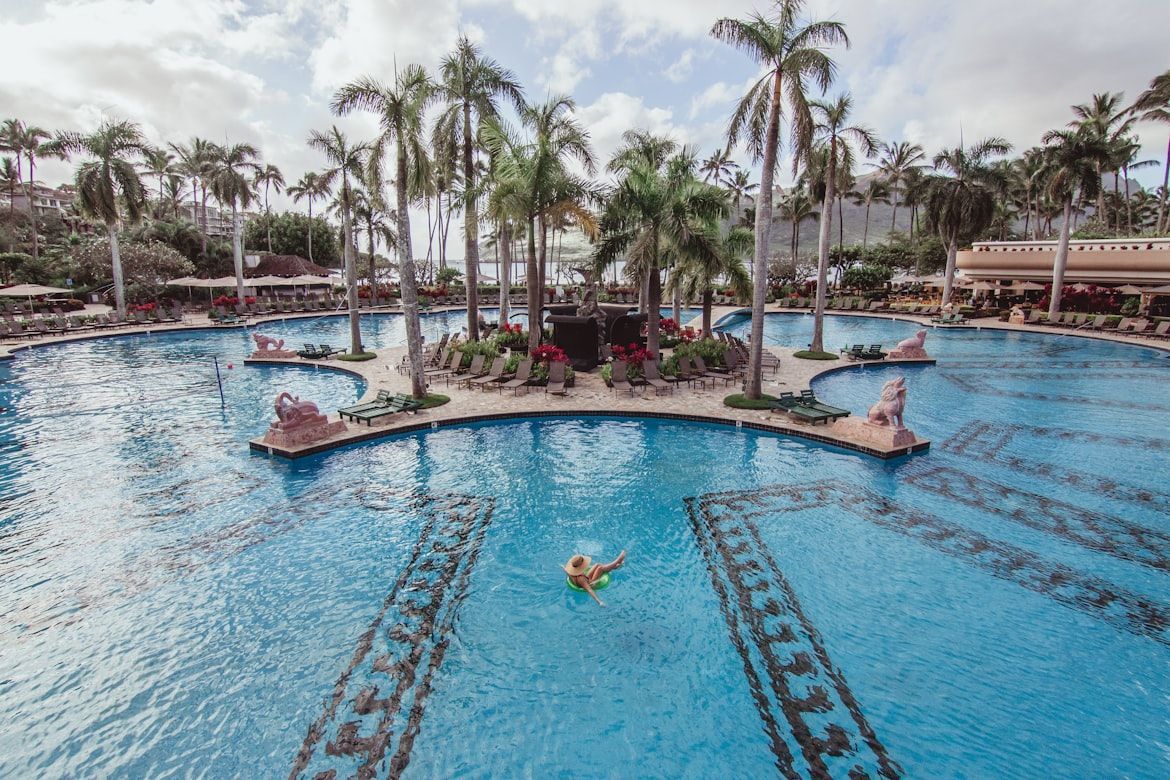
Hotels frequently offer fitness centers, swimming pools, and sometimes hot tubs or spas. Access is often included in your stay.
Pack a swimsuit, comfortable walking shoes, or light workout clothing if you plan to use these facilities. Otherwise, you might miss out on amenities you’ve already paid for.
Join the loyalty program

Major hotel brands offer free loyalty programs that provide points toward future stays. Members may also receive perks like late checkout or complimentary Wi-Fi, and enrollment typically takes only a few minutes online.
Room upgrades are sometimes available, particularly during slower travel periods. Hotels may have rooms with better views, larger layouts, or higher floors, and a courteous request at check-in can occasionally result in a complimentary upgrade.
Review in-room charges carefully

Items such as bottled water, minibar snacks, or pay-per-view movies often carry additional fees. Prices can be significantly higher than store rates.
Before consuming anything not clearly labeled as complimentary, double-check the room information booklet or ask the front desk to avoid unexpected charges.
Housekeeping policies
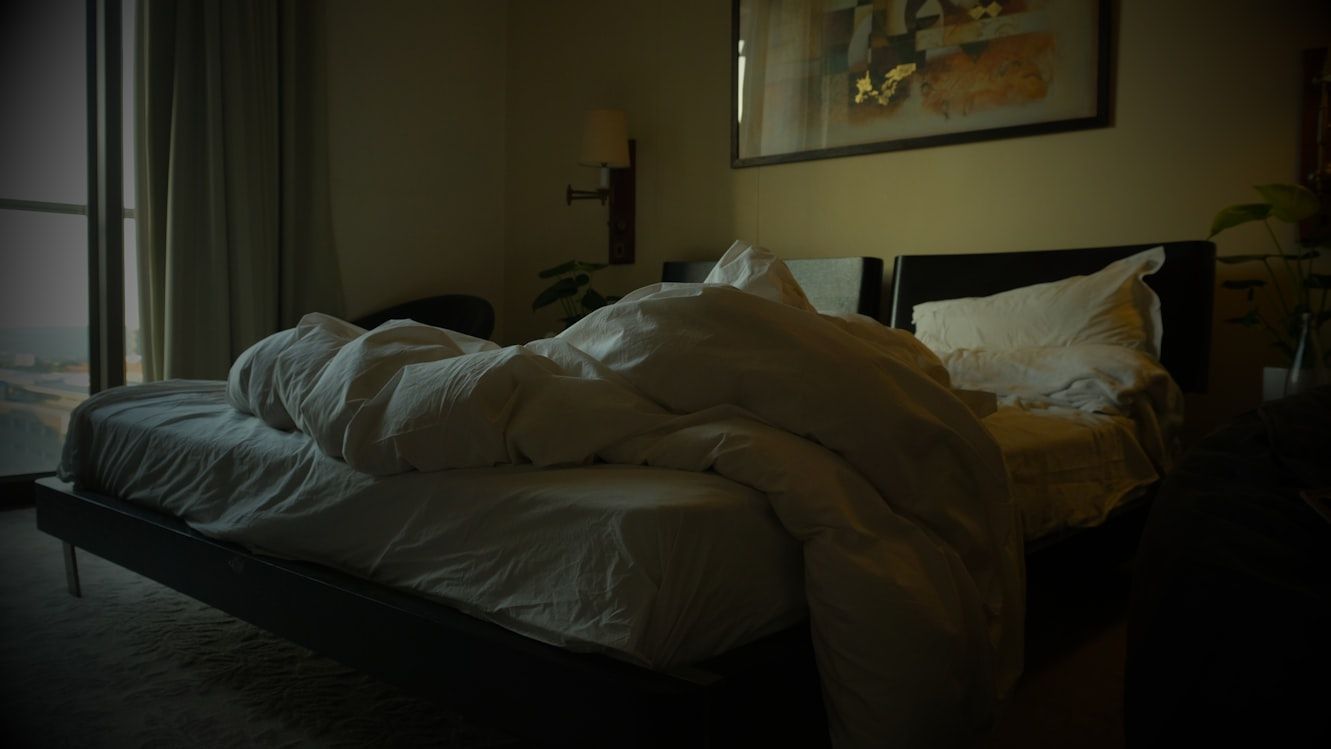
While many hotels offer daily housekeeping services, some now provide them only upon request. Policies can vary depending on staffing and environmental practices.
If you prefer fresh towels or daily bed service, confirm the schedule at check-in. You can usually request extra amenities at no extra charge.
Plan for parking fees
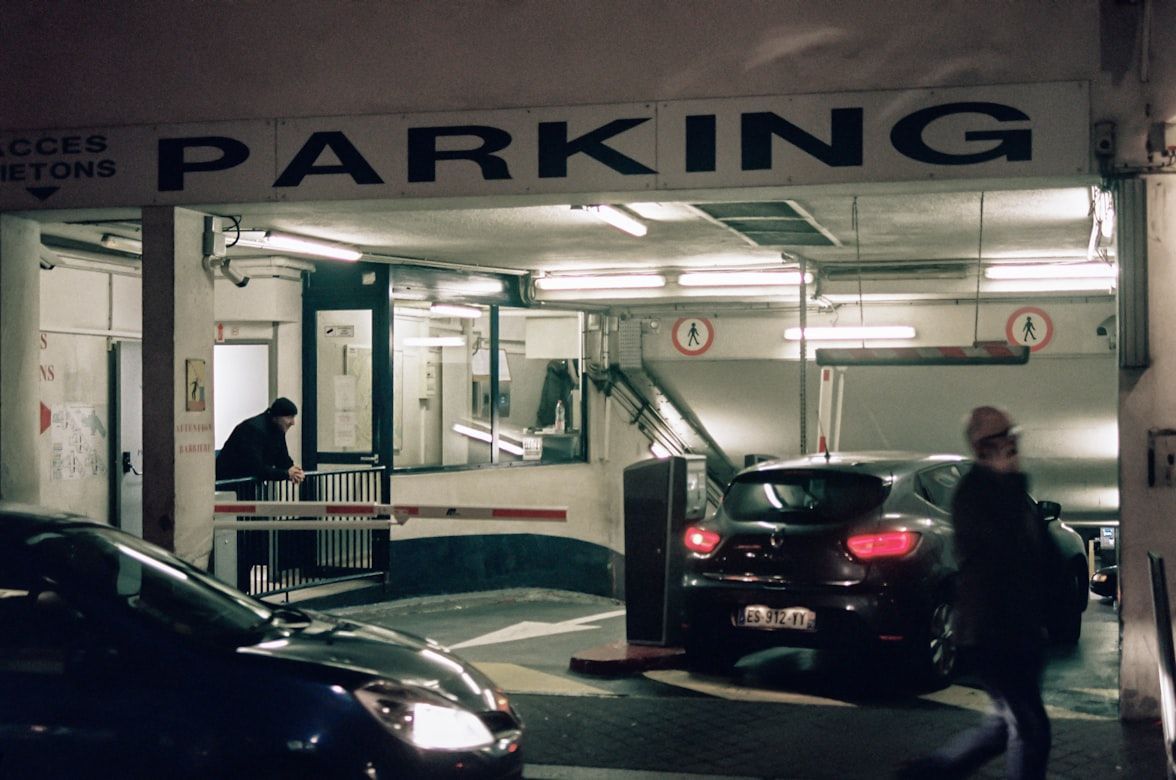
Urban hotels frequently charge for parking, and valet service may cost more than self-parking. These rates can add a noticeable amount to your total stay.
Research parking options ahead of time. Nearby public garages or lots may offer lower daily rates, especially for longer stays.
Use the Business Center if needed

Hotels often provide business centers with computers, printers, and sometimes even fax machines. These facilities can be useful for printing boarding passes or other travel documents.
Ask the front desk about hours and any small usage fees. It’s a convenient resource that many guests overlook.
Confirm check-out time and options
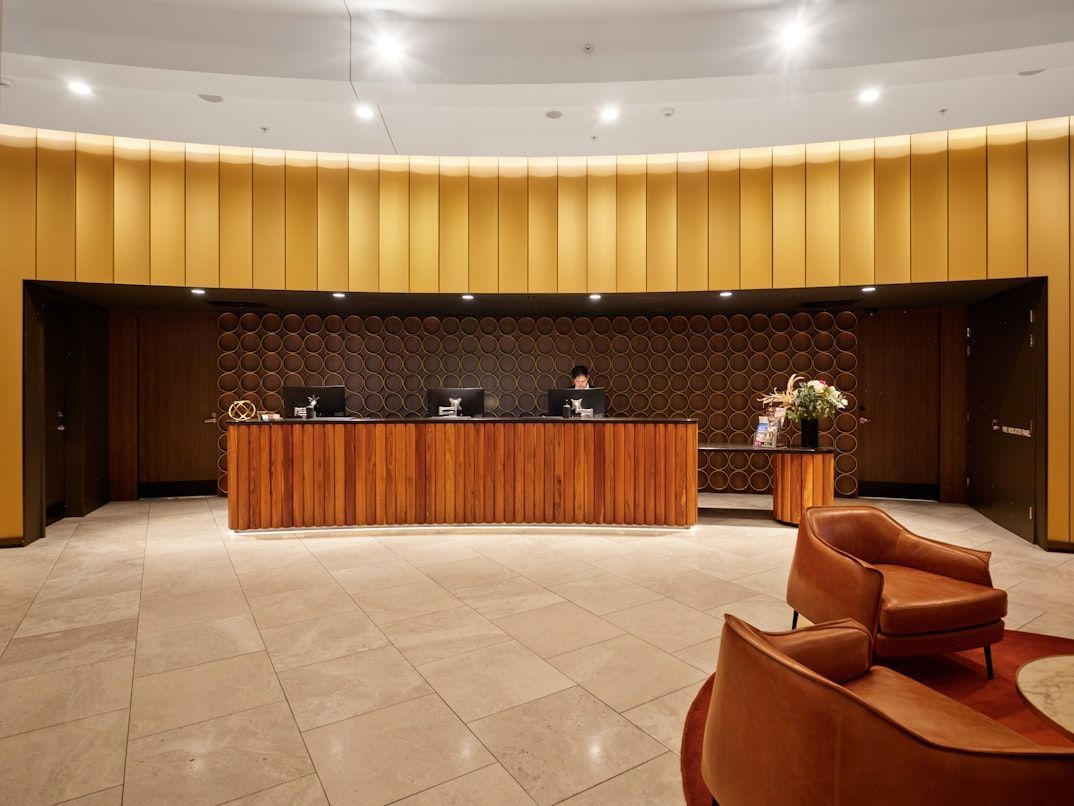
Check-out is commonly set around 11:00 a.m. or noon. Staying past that time without permission may result in extra charges.
Many hotels offer express check-out through the television or by simply leaving your key in the room. You can also review your final bill by email to ensure accuracy.
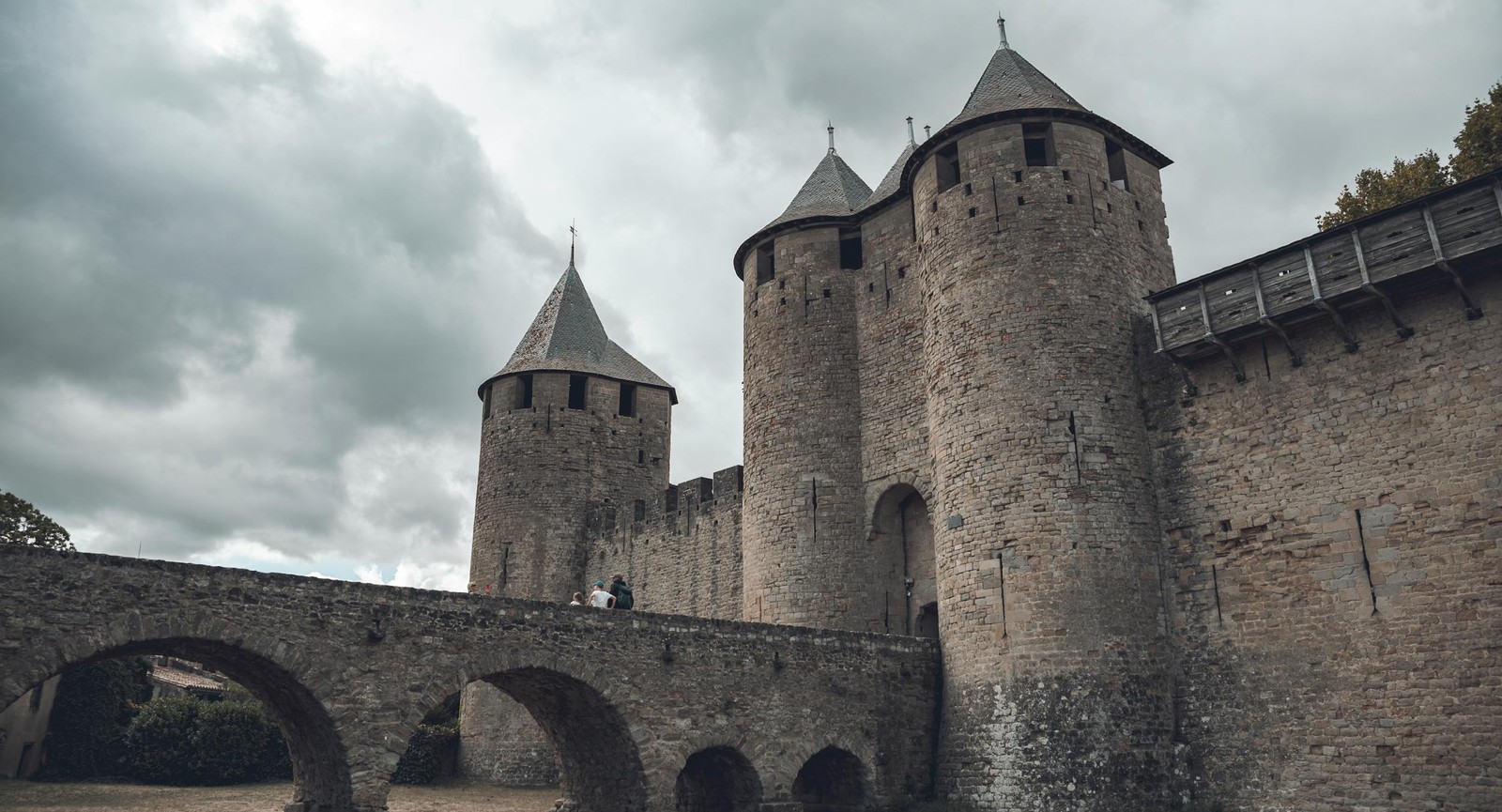
Castles and towers: These 15 medieval towns belong in a storybook
 Geography
Windows to the past
Step back in time: The most beautiful medieval towns and cities in Europe
Some spots in Europe haven’t changed much in the last 500 years. Their castles, street facades, drawbridges, and towers are an ode to historical preservation. Below is a list of 15 cities or towns where you can still wander around and run into medieval walls, twisting narrow streets, and storybook cobblestones, just like humans could centuries ago.
Rothenburg ob der Tauber, Germany
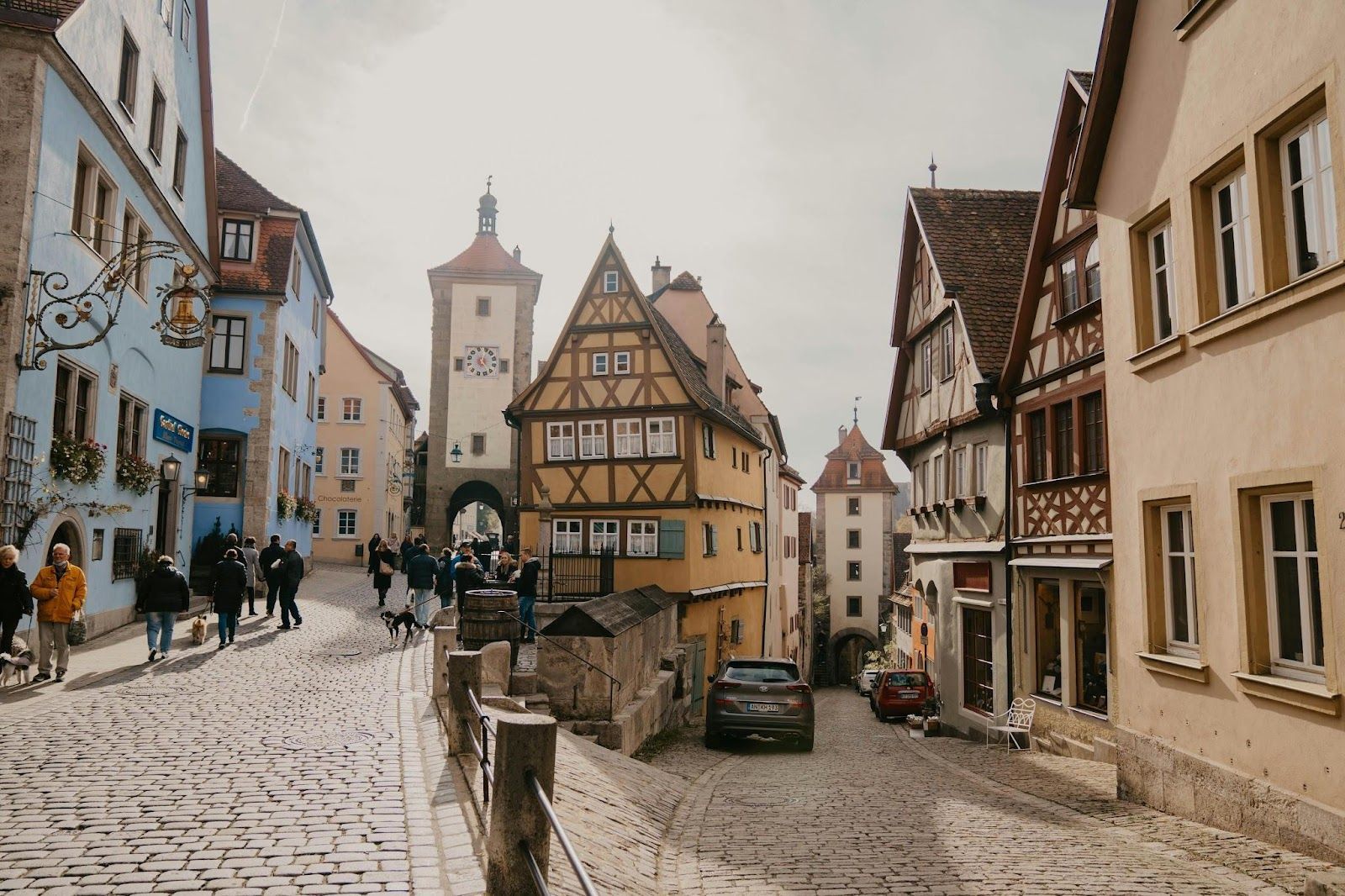 Image: Taylor Marx
If you’ve ever imagined a medieval town straight out of a fairy tale, this is probably it.
Rothenburg is famous for its perfectly preserved walls, crooked half-timbered houses, and storybook towers that look almost unreal. A unique highlight is walking the town walls for panoramic views.
Carcassonne, France
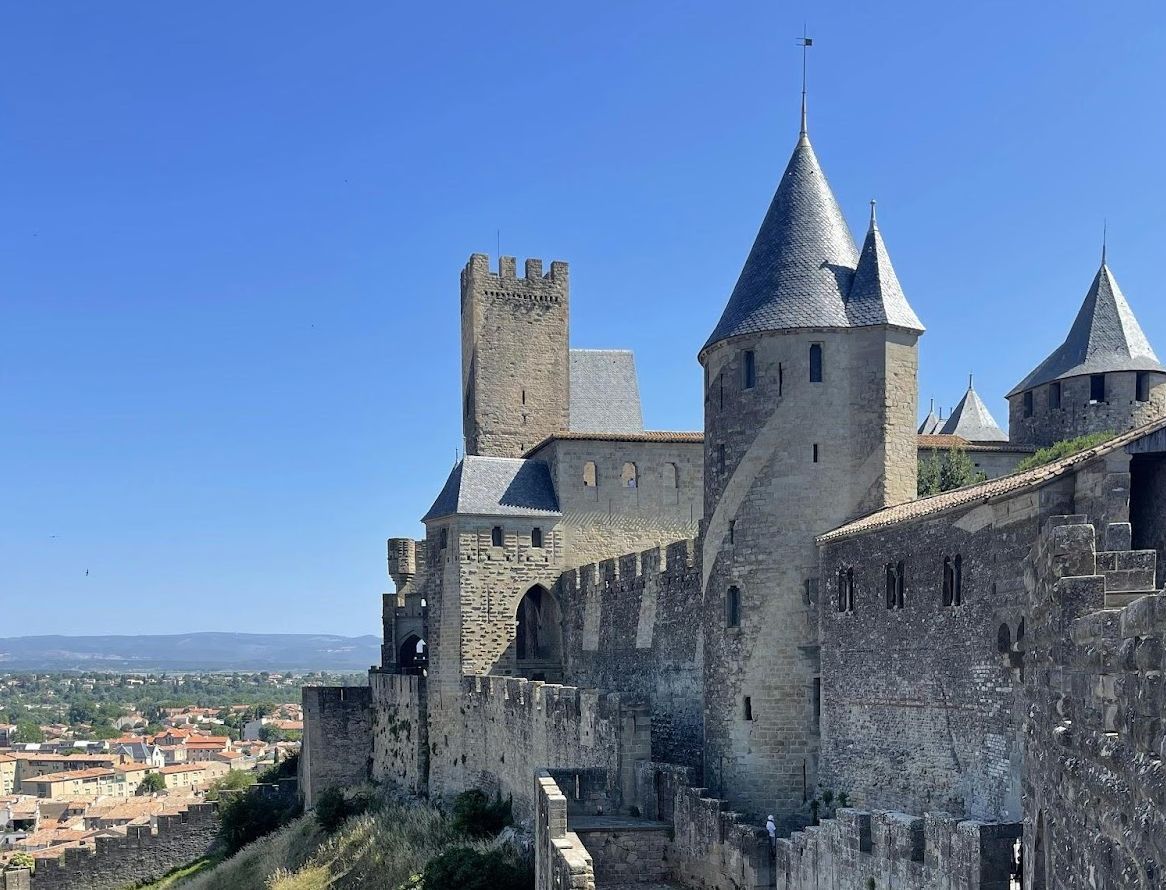 Image: Bloople Web
Carcassonne looks exactly like the fortress you pictured as a child when someone said the word "castle."
It’s bold and dramatic, with double stone walls, dozens of towers, and drawbridges. One unforgettable experience is walking the ramparts and looking out over the countryside, imagining medieval guards once standing in the same spot.
Český Krumlov, Czech Republic
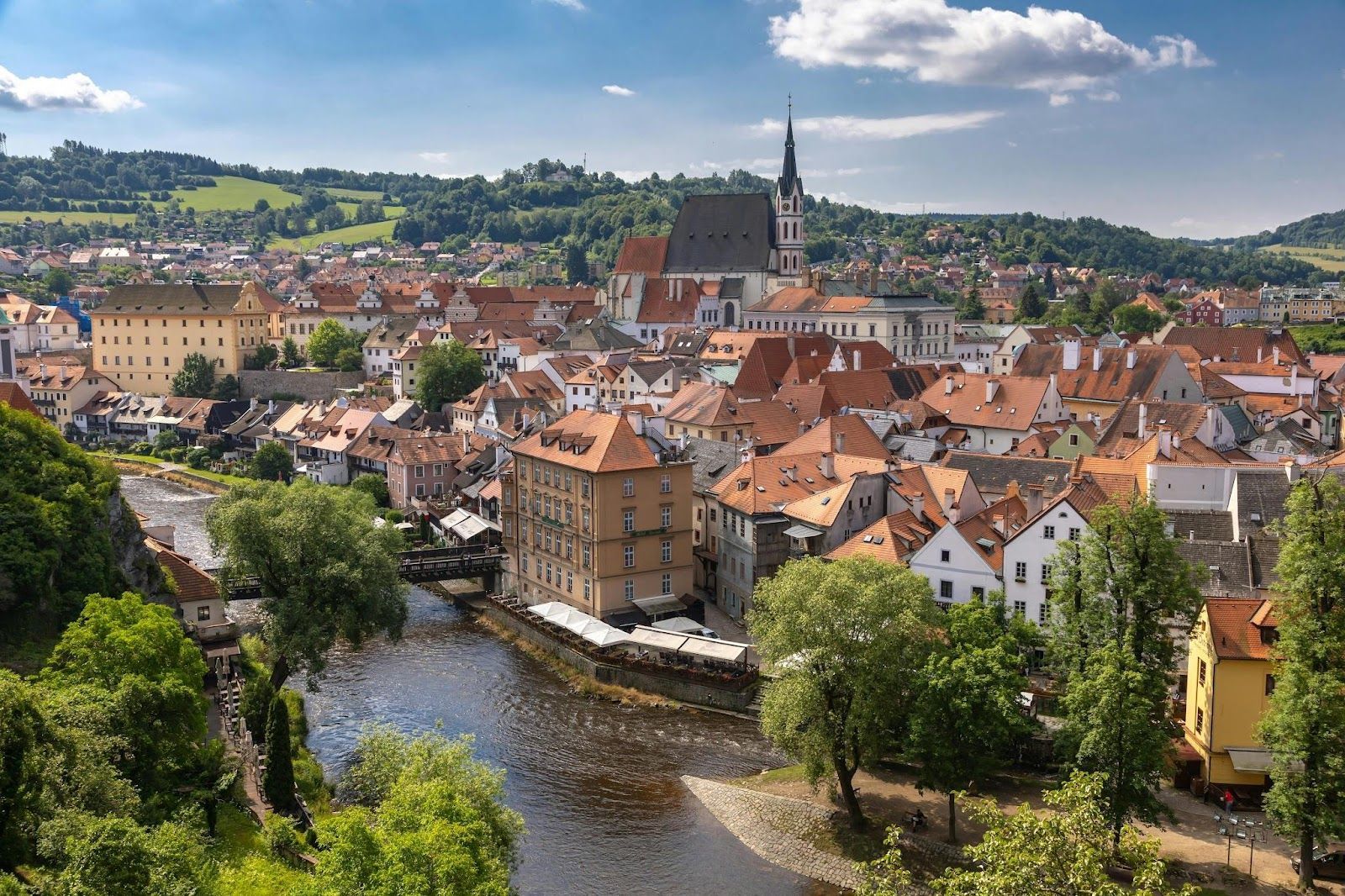 Image: Sergey Guk
This town feels like a painted miniature come to life. A river curves tightly around the old town, while a massive castle rises above red rooftops and winding streets.
People love how intimate and romantic it feels, almost like a European storybook village. One unique experience is climbing the castle tower for sweeping views of the river looping around the town like a ribbon.
Conwy, Wales
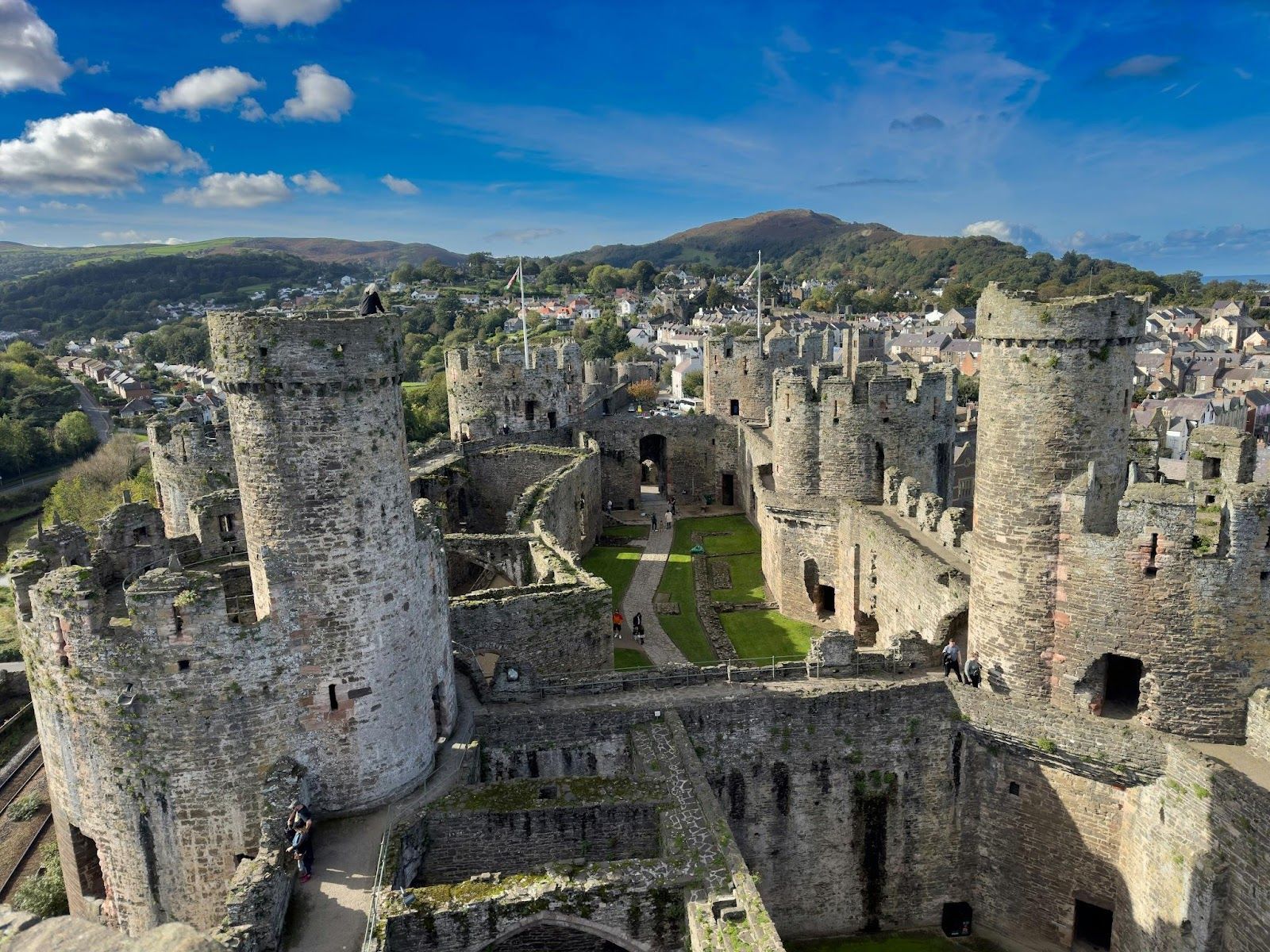 Image: Bill Eccles
A massive castle towers over the Conwy harbor, while remarkably intact stone walls still encircle the town. It looks like everyday life continues inside ancient defenses.
A must-do experience is walking the walls for views of the castle, the town below, and the nearby mountains and sea.
Óbidos, Portugal
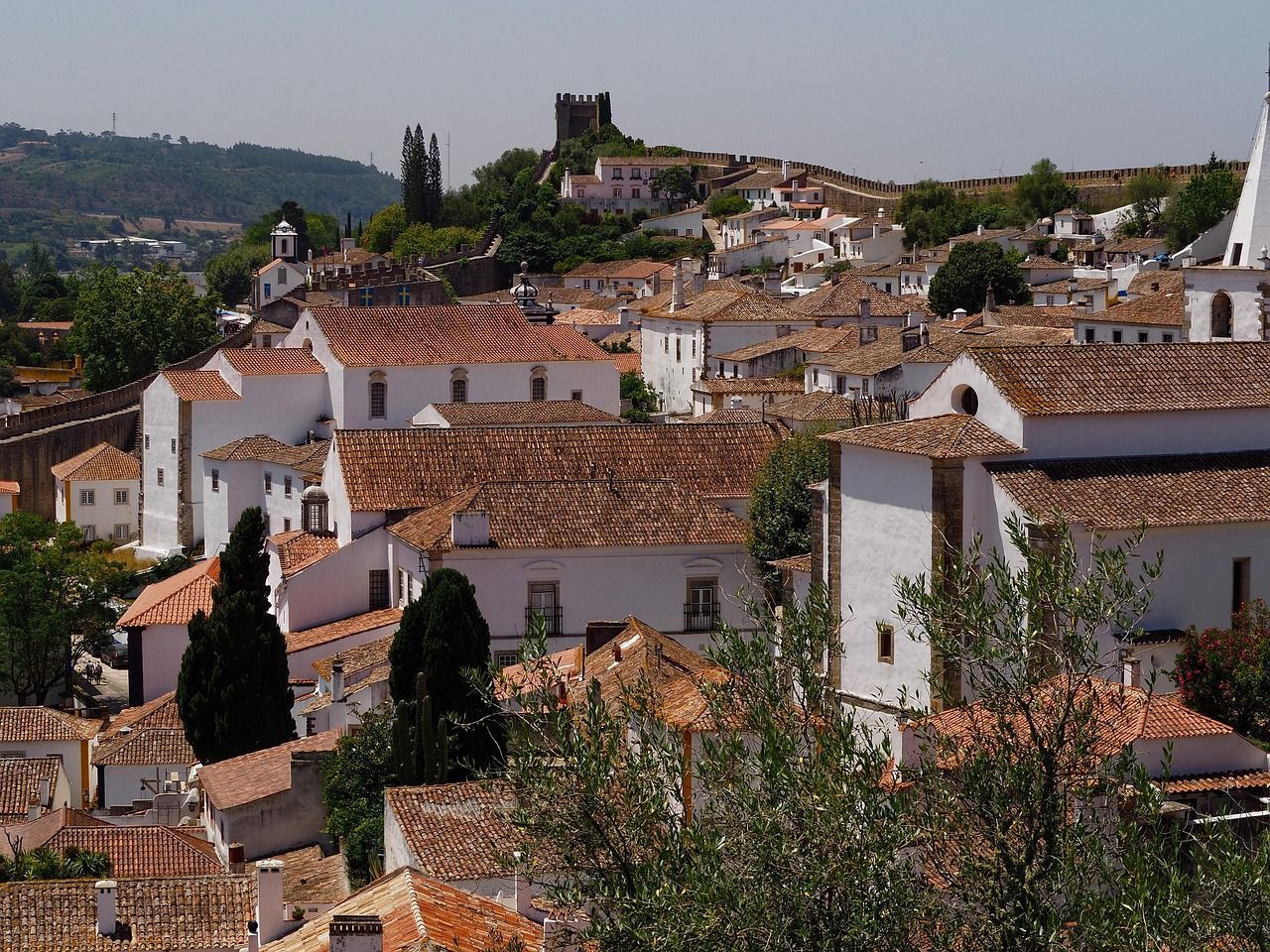 Image: Lopez_Grande
Óbidos is another town encircled by walls, inside of which live whitewashed houses trimmed with bright colors. Spring is especially lovely, when flowers spill over walls and windows.
A unique experience is walking the ramparts for sweeping views of the countryside, then stopping for a taste of ginjinha, the local cherry liqueur served in tiny cups.
Bruges, Belgium
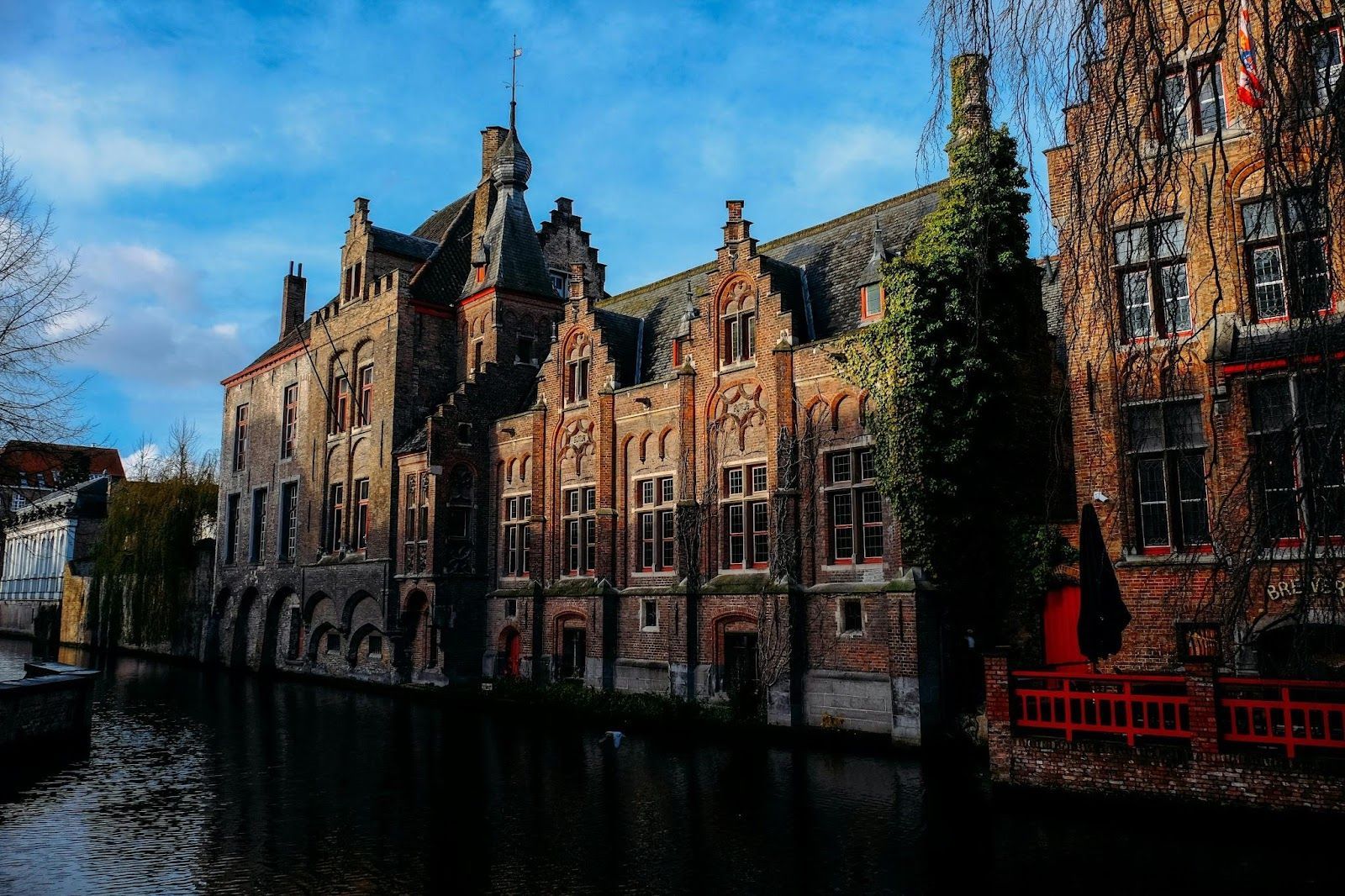 Image: Francesco Ungaro
The medieval charm of Bruges comes from stone bridges, canals, and guild houses that reflect softly in the water. Many visitors say it feels like Venice, but slower, smaller, and easier to explore. A must-do experience is a canal boat ride, drifting past centuries-old buildings.
Albarracín, Spain
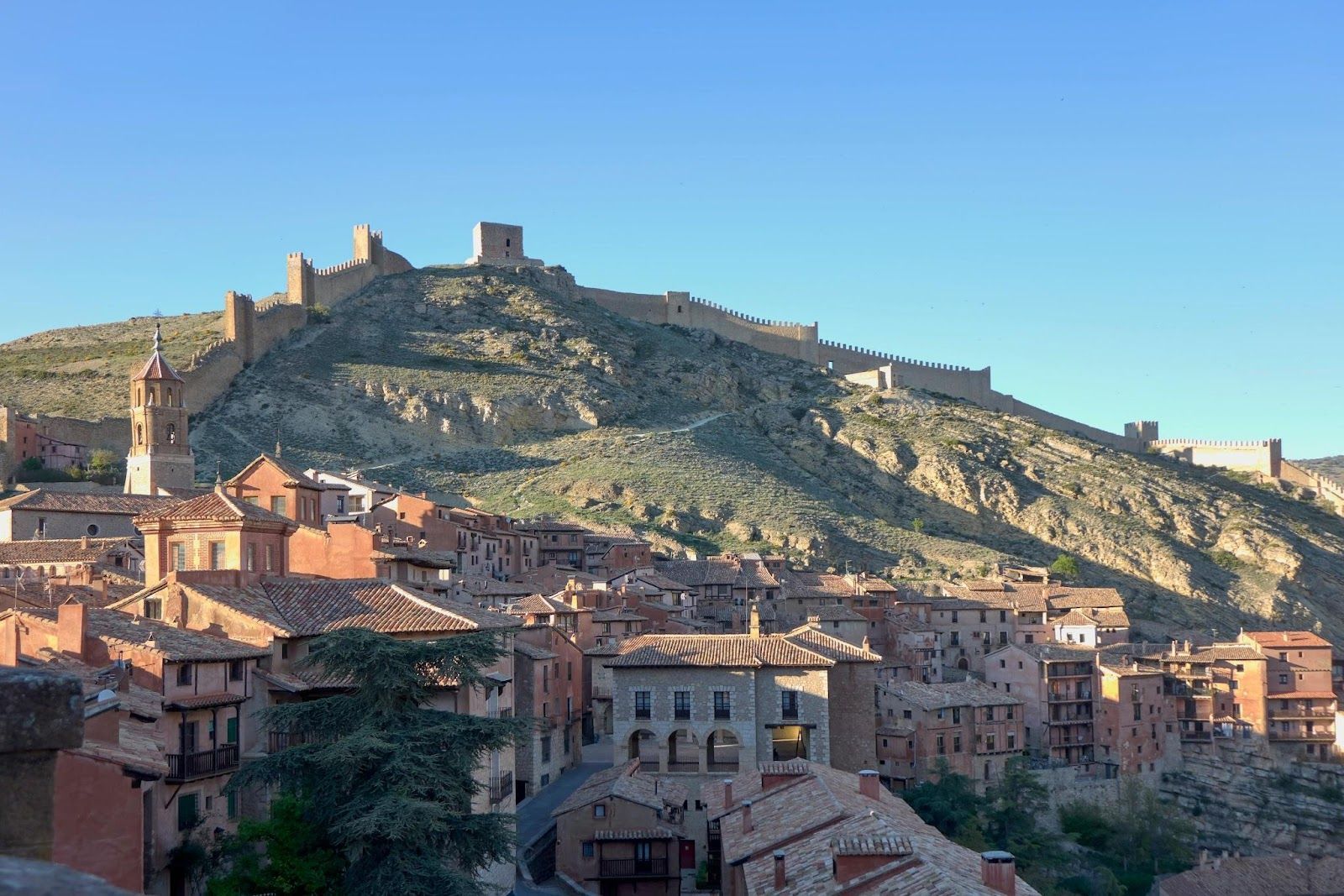 Image: Manuel Fandiño Cabaleiro
Albarracín looks as if it were carved from the surrounding cliffs. Its pinkish stone houses cling to the hillside, connected by narrow, winding streets that seem designed to slow you down. One unique experience is simply getting lost among its steep alleys, where every turn reveals a new view or hidden corner.
Siena, Italy
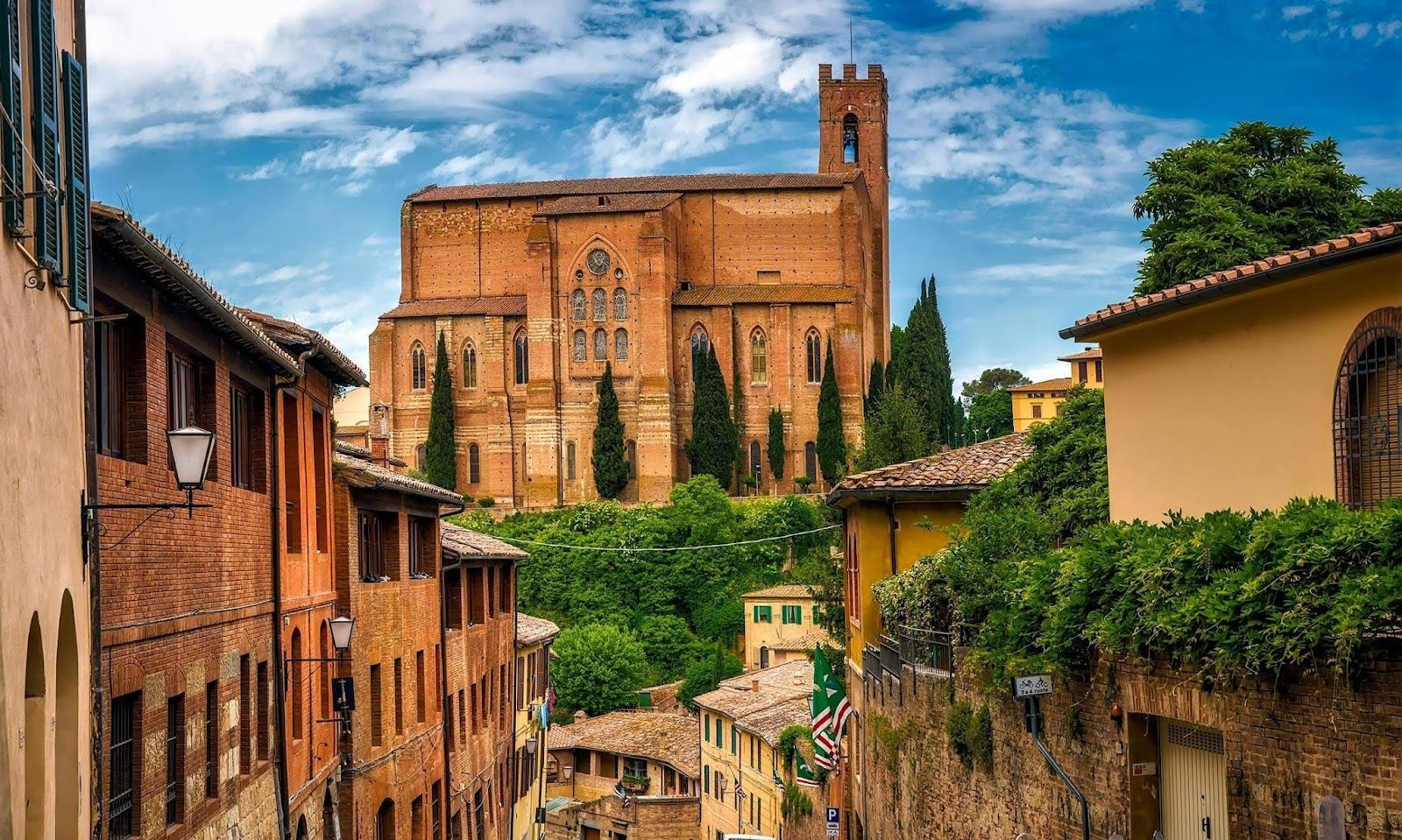 Image: Pixabay
Siena’s brick buildings, narrow streets, and sloping alleyways all lead toward the stunning Piazza del Campo, one of Europe’s most beautiful public squares. One simply must stand in the piazza and picture the famous Palio horse race, a centuries-old tradition that still electrifies the entire town.
Dubrovnik, Croatia
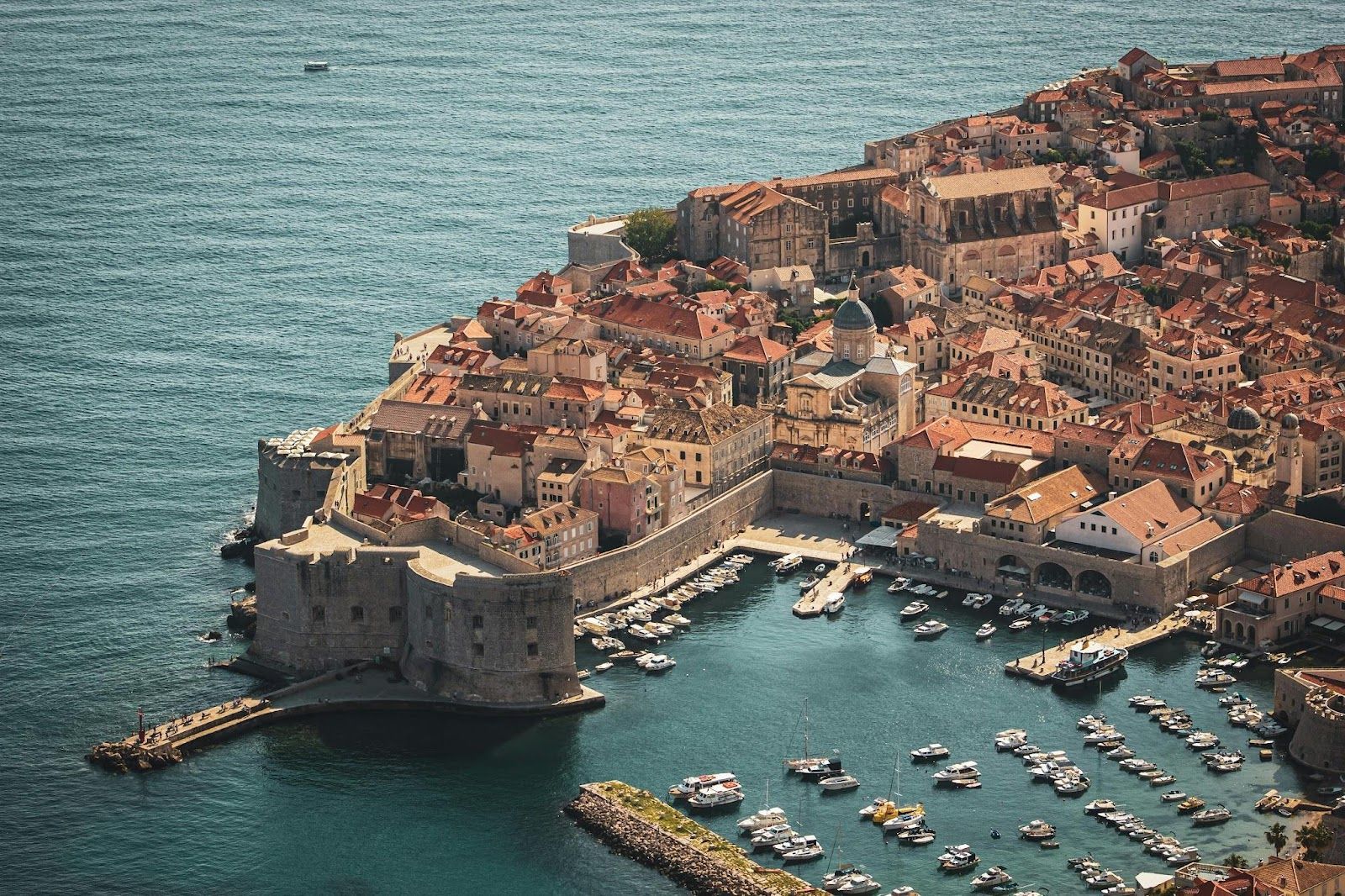 Image: Mateusz Popek
Dubrovnik is unforgettable at first sight. Massive stone walls wrap around an old town perched right above the sparkling Adriatic Sea. Many visitors say it reminds them of an epic film set, which isn’t surprising given its role in popular TV and movies.
Ávila, Spain
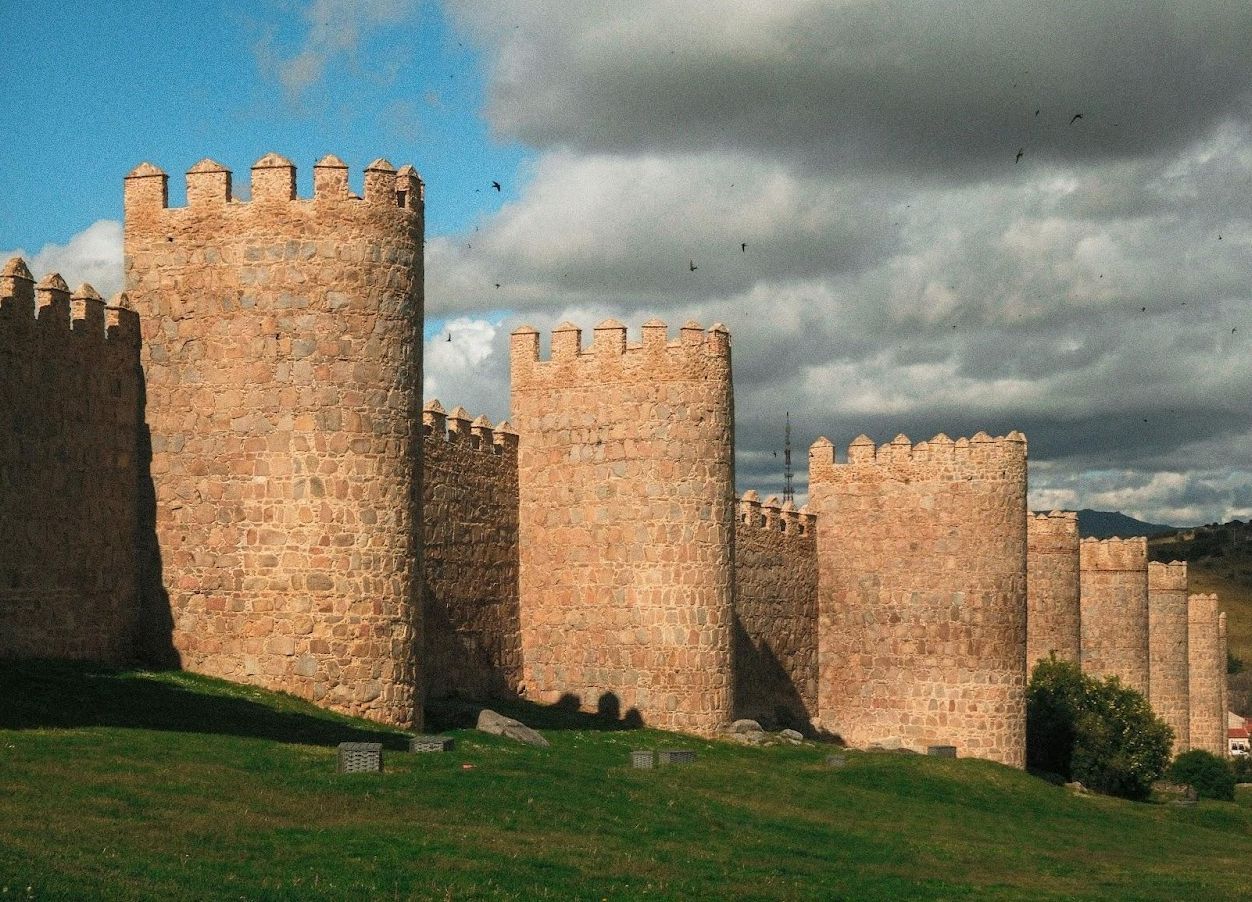 Image: Mauro Lima
Ávila’s towering medieval walls completely surround the old town and dominate the landscape, making visitors feel as though they’ve stepped inside a fortified world.
Late afternoon is especially magical, when the stone walls glow golden in the setting sun. Walking the top of the walls themselves must be the childhood dream of many.
San Gimignano, Italy
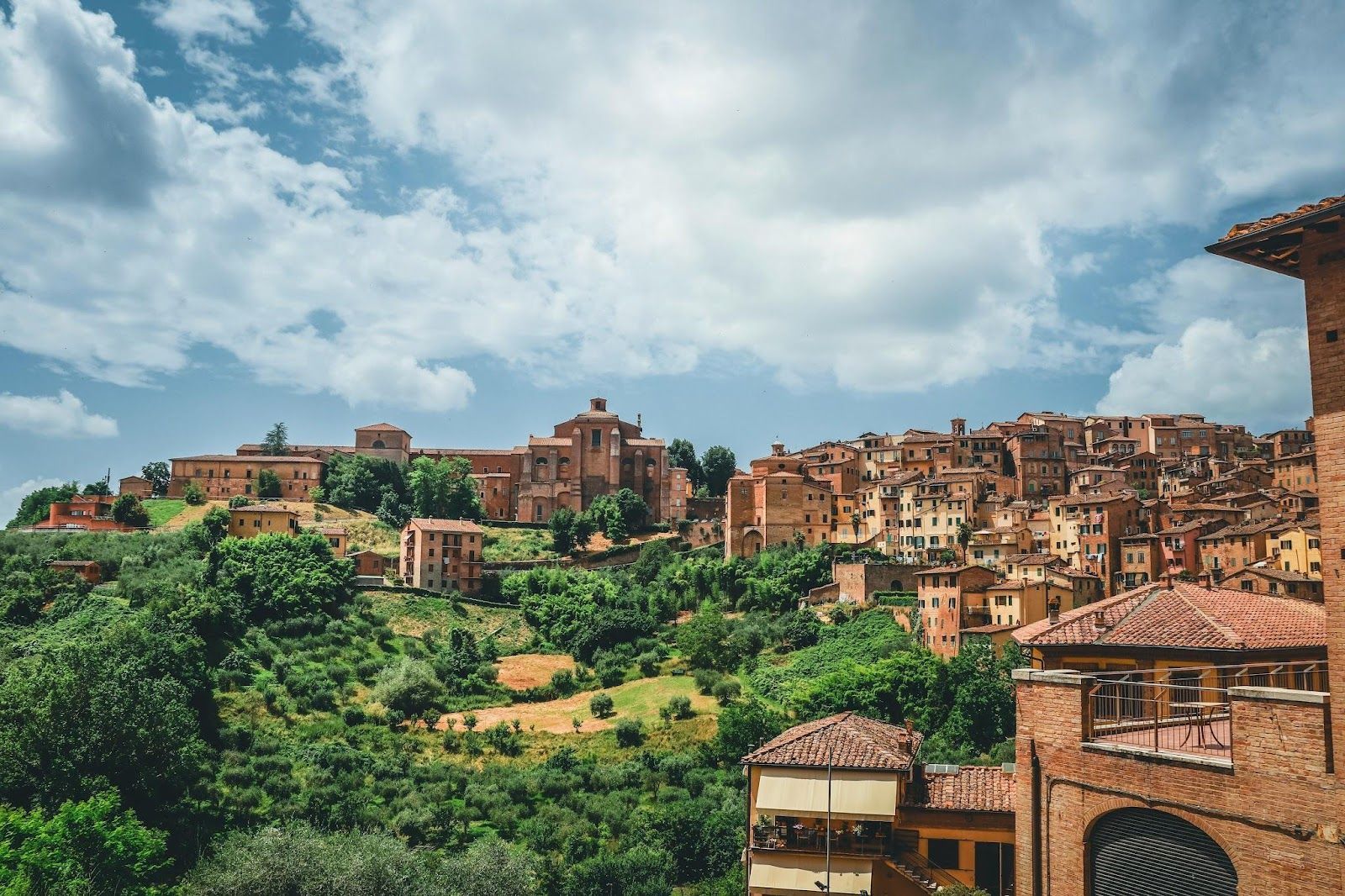 Image: Ahmet AZAKLI
San Gimignano rises above the Tuscan countryside like a skyline from another era. Its famous stone towers were built by rival families to show off wealth and power, earning the town its nickname, "Medieval Manhattan."
Tallinn, Estonia
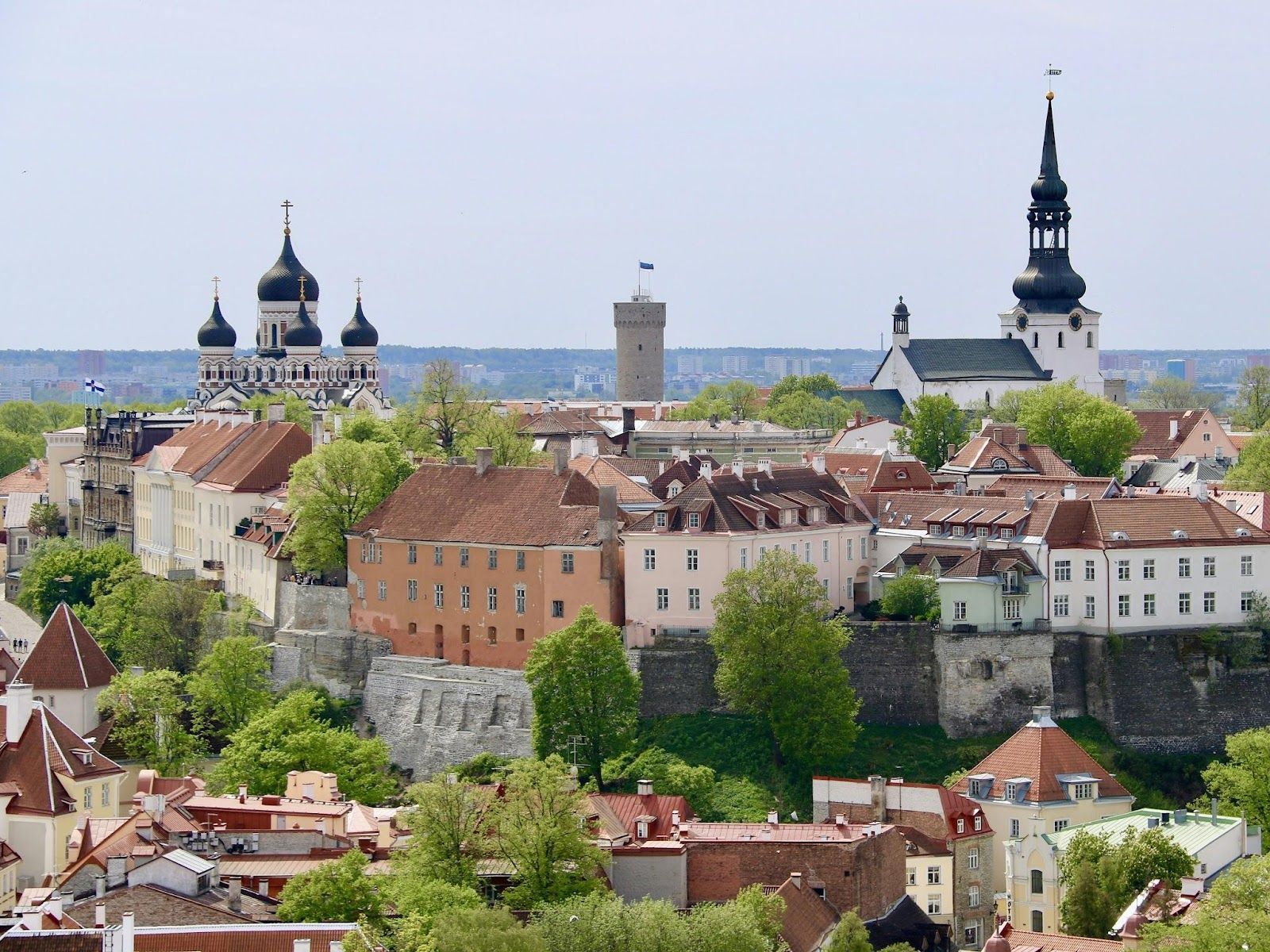 Image: Hongbin
With tall stone walls, red-roofed towers, and winding lanes, Tallinn looks like a fairy tale illustrated in a very old book. The best time to visit is late spring or summer, when outdoor cafés fill the squares, though winter brings a snow-dusted magic of its own.
York, England
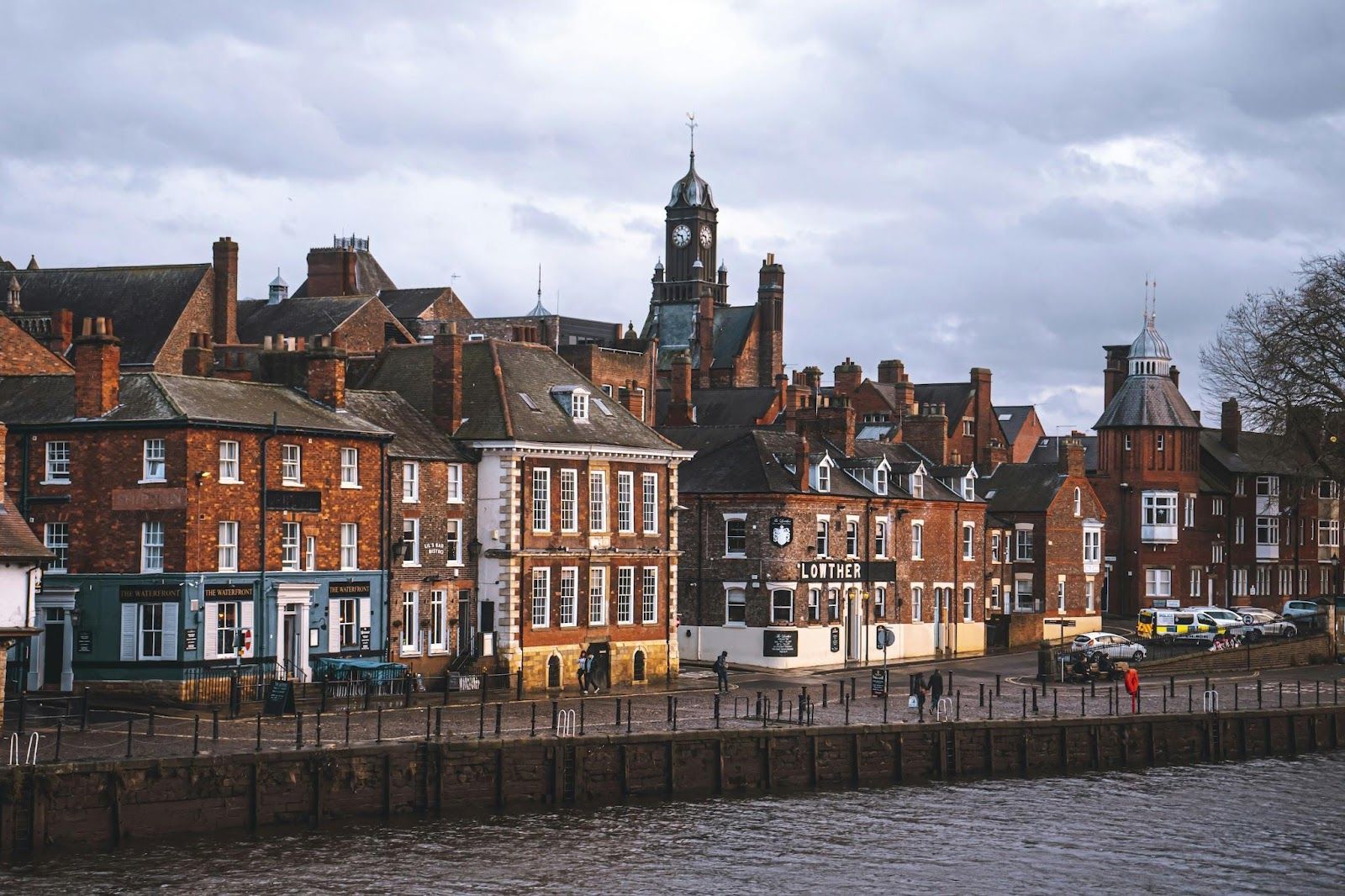 Image: Jeffrey Zhang
York is a city built in layers: Roman foundations, Viking streets, and medieval timber-framed buildings all coexist in a compact, walkable center. Visitors must stroll through The Shambles and by the ancient city walls, which still form a continuous loop around the historic center.
Bamberg, Germany
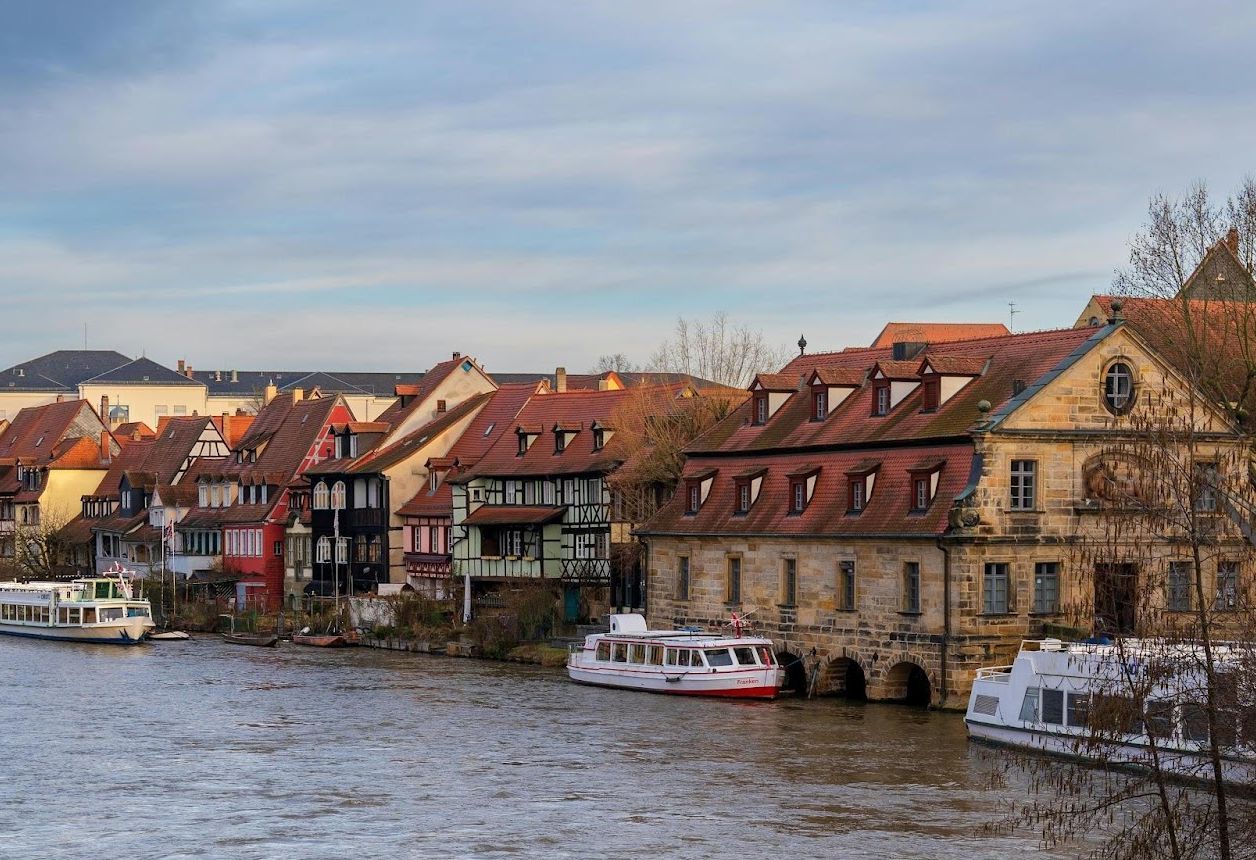 Image: Mohamed B.
Built on seven hills and spared from major wartime damage, Bamberg remains beautifully intact. Colorful buildings line rivers and canals, earning it comparisons to a quieter, more relaxed Venice.
One memorable experience is visiting the Old Town Hall, dramatically perched on a bridge in the middle of the river, a sight unlike anything else in Europe.
Girona, Spain
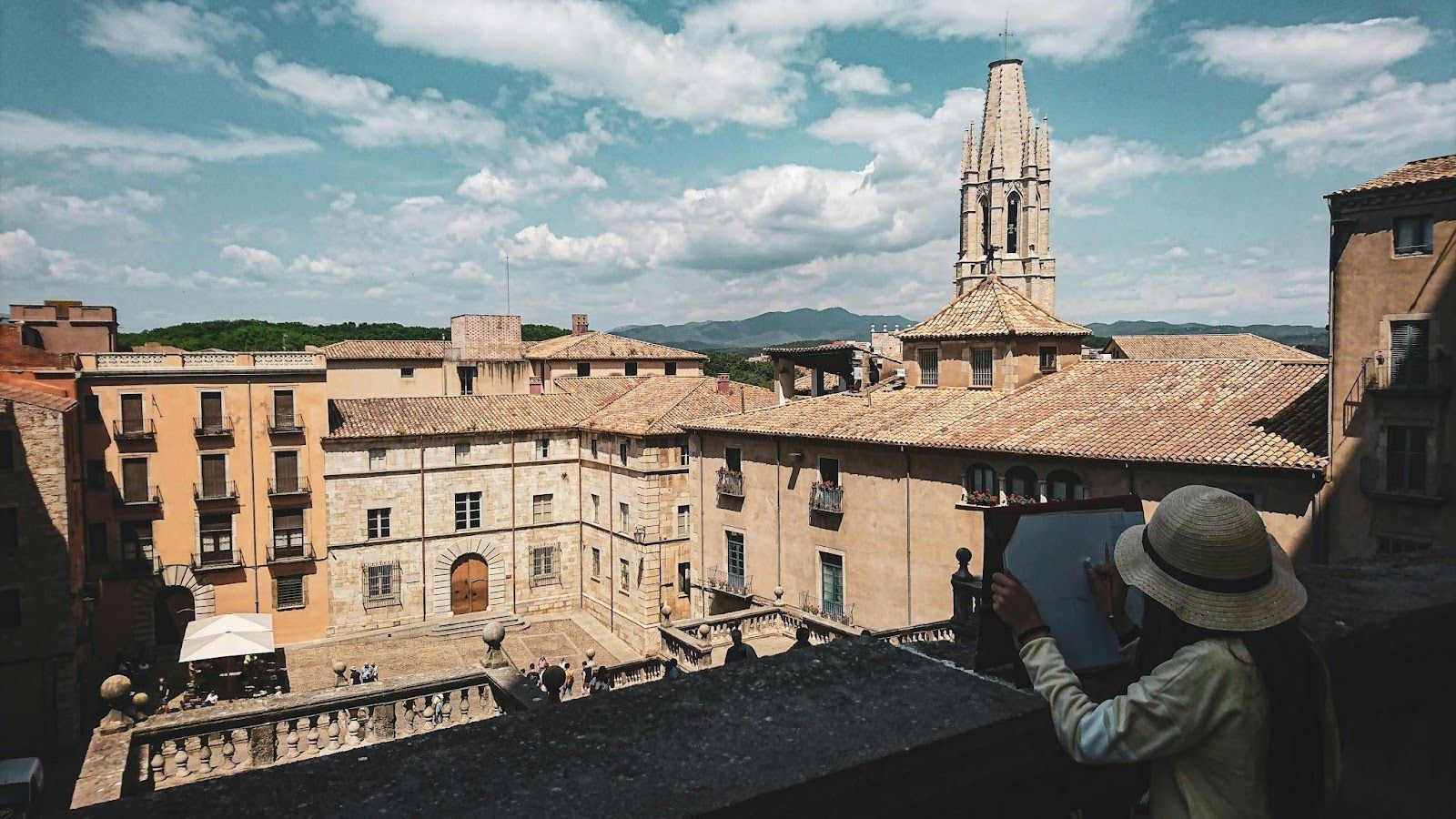 Image: Anna Marszałek
Girona feels like a city of quiet discoveries, with its medieval walls, stone bridges, and maze-like Jewish Quarter. Walking the old city walls, one can enjoy panoramic views while slowly circling centuries of history.
Keep wandering
There’s always
more to explore

Why are hard landings sometimes the perfect landings?
6 min.
Read Now
 History

Was Moby-Dick a real whale? These marine stories have real backgrounds
6 min.
Read Now
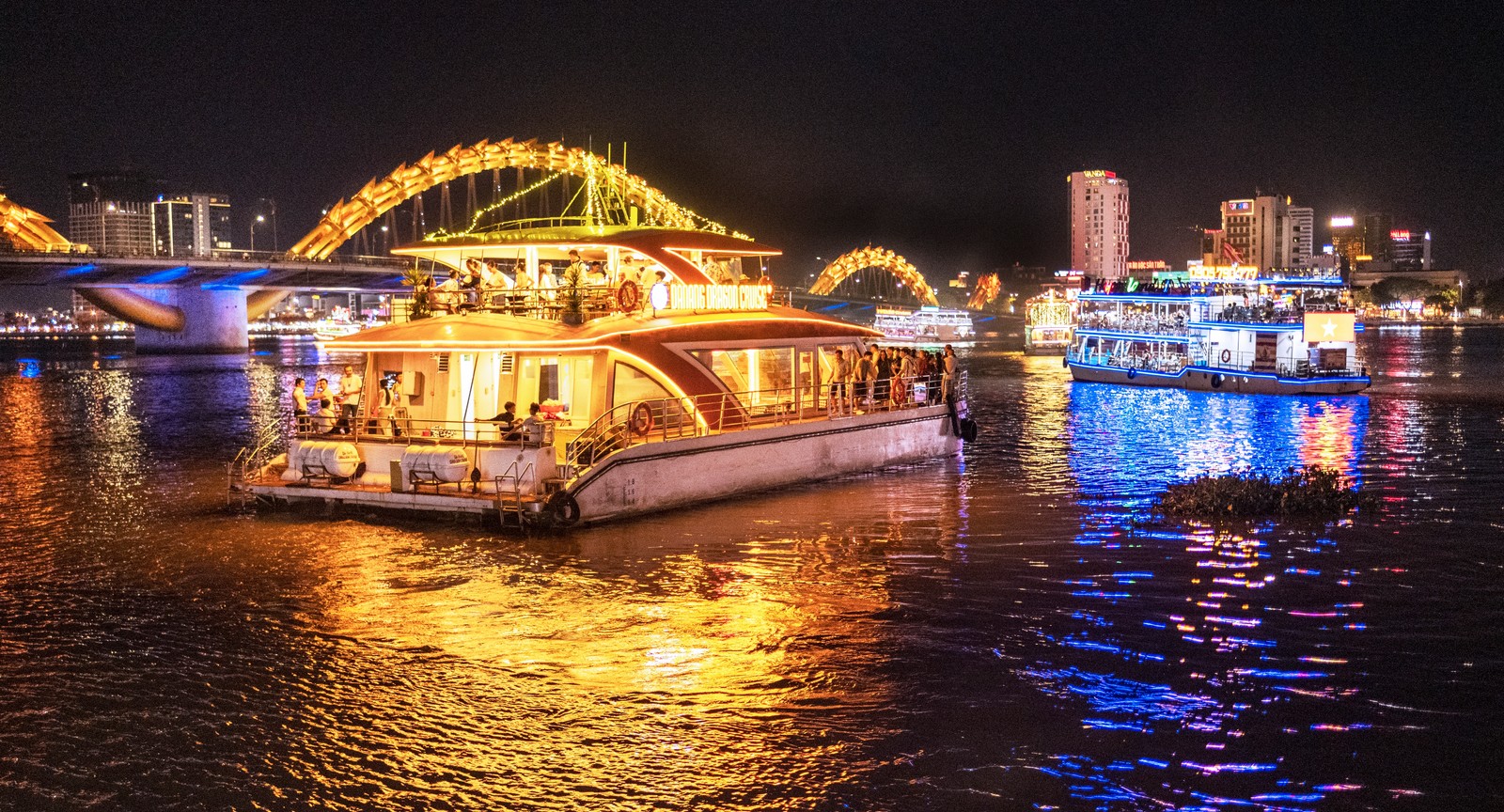
What passengers never see after midnight on a cruise ship
4 min.
Read Now

These 10 mysteries were solved. So why do we still believe them?
6 min.
Read Now