Historic Sites That Changed the Course of Humanity
 History
Historic Sites That Changed the Course of Humanity
Throughout history, certain places have become turning points for civilization—sites where ideas were born, empires rose and fell, and decisions were made that reshaped the world. These locations are more than landmarks; they are physical reminders of moments that altered humanity’s trajectory.
From ancient cities to battlefields and centers of revolution, the following historic sites played pivotal roles in shaping politics, culture, science, and human rights across generations.
The Roman Forum (Rome, Italy)
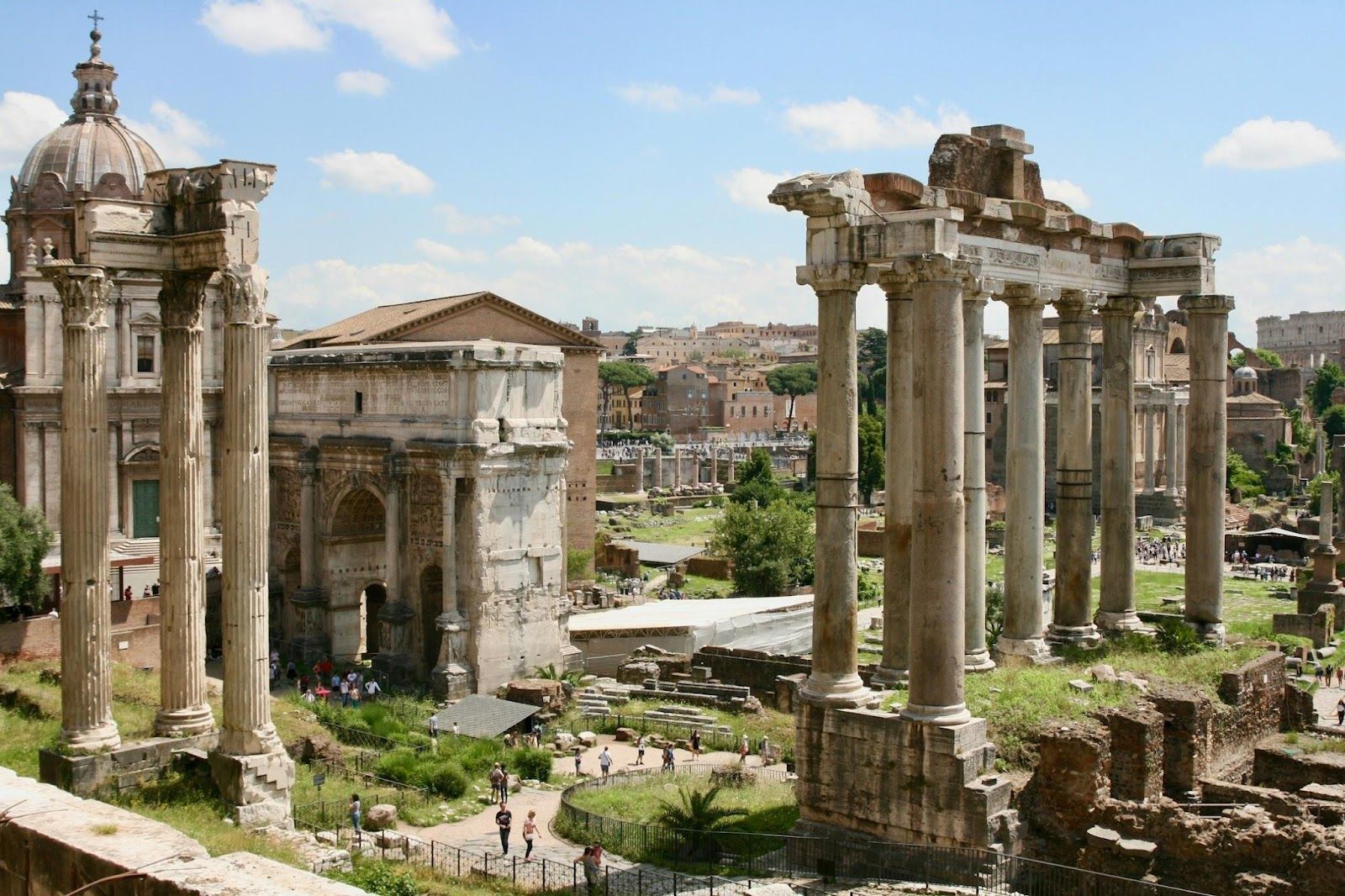
The Roman Forum was the political, economic, and social heart of ancient Rome, where laws were debated, elections were held, and public speeches were delivered. As the center of one of history’s most influential empires, decisions made here shaped governance, engineering, and law across Europe and beyond.
The legacy of the Forum lives on in modern political systems, legal frameworks, and urban planning that still influence modern societies today.
Walking through the ruins offers a direct link to ideas like citizenship and republican governance that continue to define Western civilization.
The Acropolis (Athens, Greece)
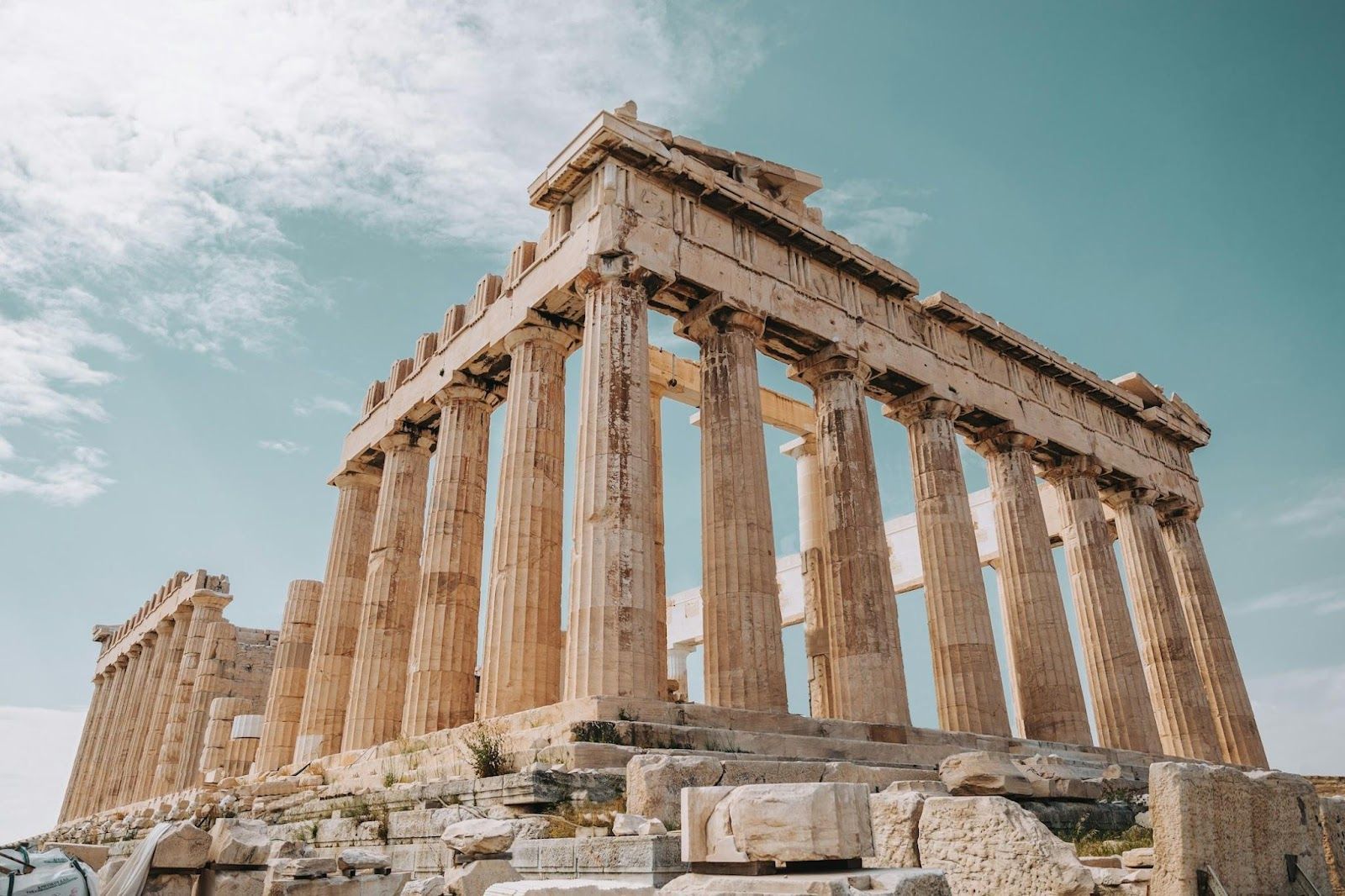
Perched above Athens, the Acropolis symbolizes the birthplace of democracy, philosophy, and Western thought. It was here that citizens debated governance, ethics, and the role of the individual in society, laying foundations that continue to influence political systems today.
Structures like the Parthenon represent not only architectural brilliance but also the cultural values of ancient Greece, reason, balance, and civic responsibility, which continue to shape modern education and philosophy.
Thinkers like Socrates and Plato lived in a world shaped by the ideas debated below this hilltop complex. Today, the Acropolis represents the roots of democratic government and Western philosophy worldwide.
The Great Wall of China (China)
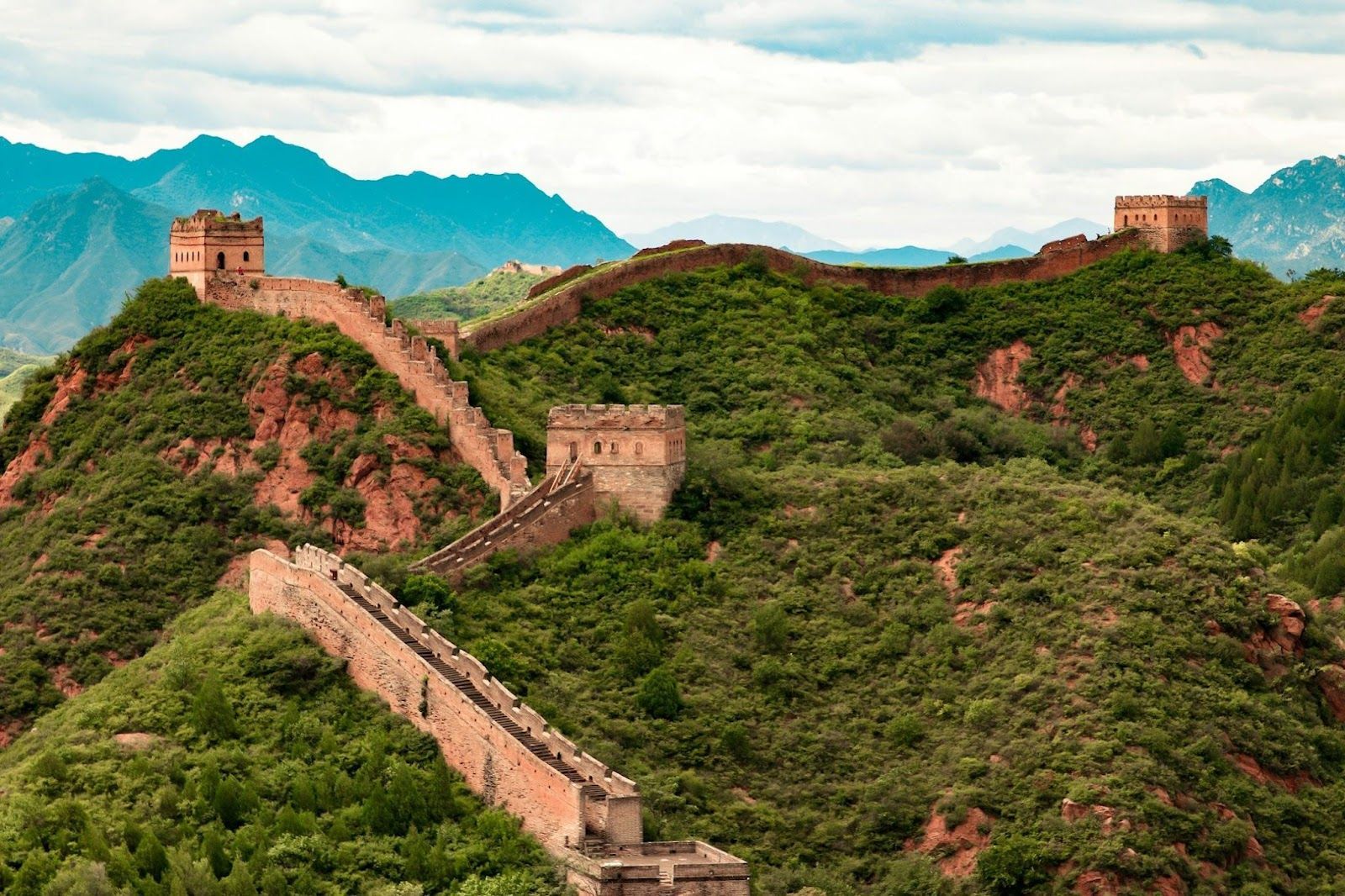
Built over centuries, the Great Wall was both a defensive structure and a symbol of imperial power. It was designed to protect Chinese states from invasions and raids while also helping to regulate trade and migration along the Silk Road.
Beyond its military purpose, the wall reflects humanity’s capacity for large-scale cooperation, engineering, and organization. It stands as a testament to how geography, state power, and defense shaped the development of civilizations.
Machu Picchu (Peru)
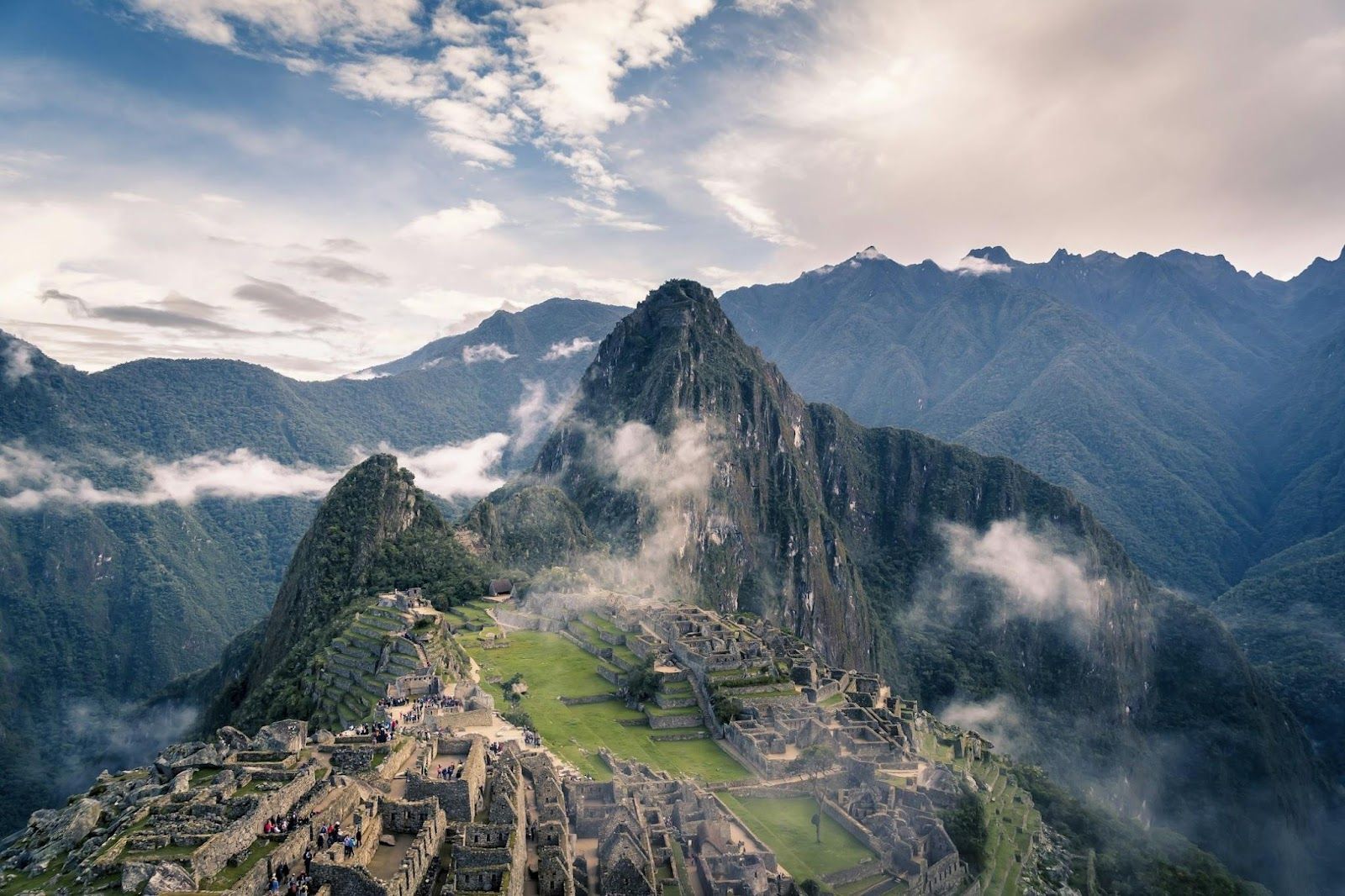
Machu Picchu offers insight into the advanced engineering, astronomical knowledge, and agricultural techniques of the Inca Empire. Hidden high in the Andes, it blends seamlessly with its natural surroundings.
The site challenges assumptions about technological progress, highlighting alternative paths to societal development and demonstrating how a powerful empire thrived without written language or modern technology.
Its rediscovery changed global understanding of pre-Columbian history and Indigenous innovation.
Independence Hall (Philadelphia, United States)
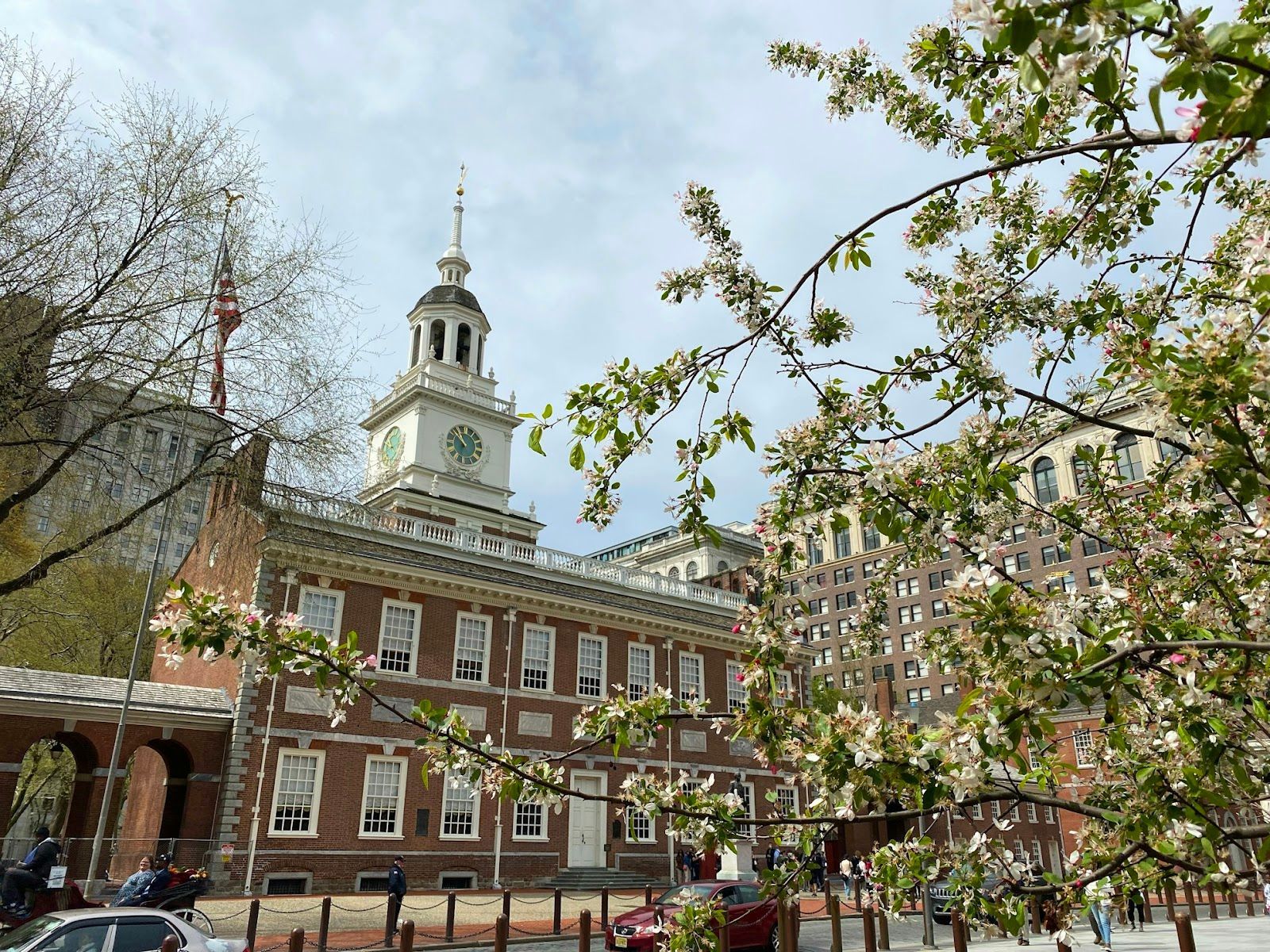
Independence Hall is where the Declaration of Independence and the U.S. Constitution were debated and adopted. These documents introduced revolutionary ideas about liberty, representation, and individual rights.
At the time, these principles were radical, and they challenged traditional monarchies and inherited authority. Forged within these walls, they inspired democratic movements worldwide, influencing revolutions, legal systems, and human rights frameworks across continents.
The Bastille (Paris, France)
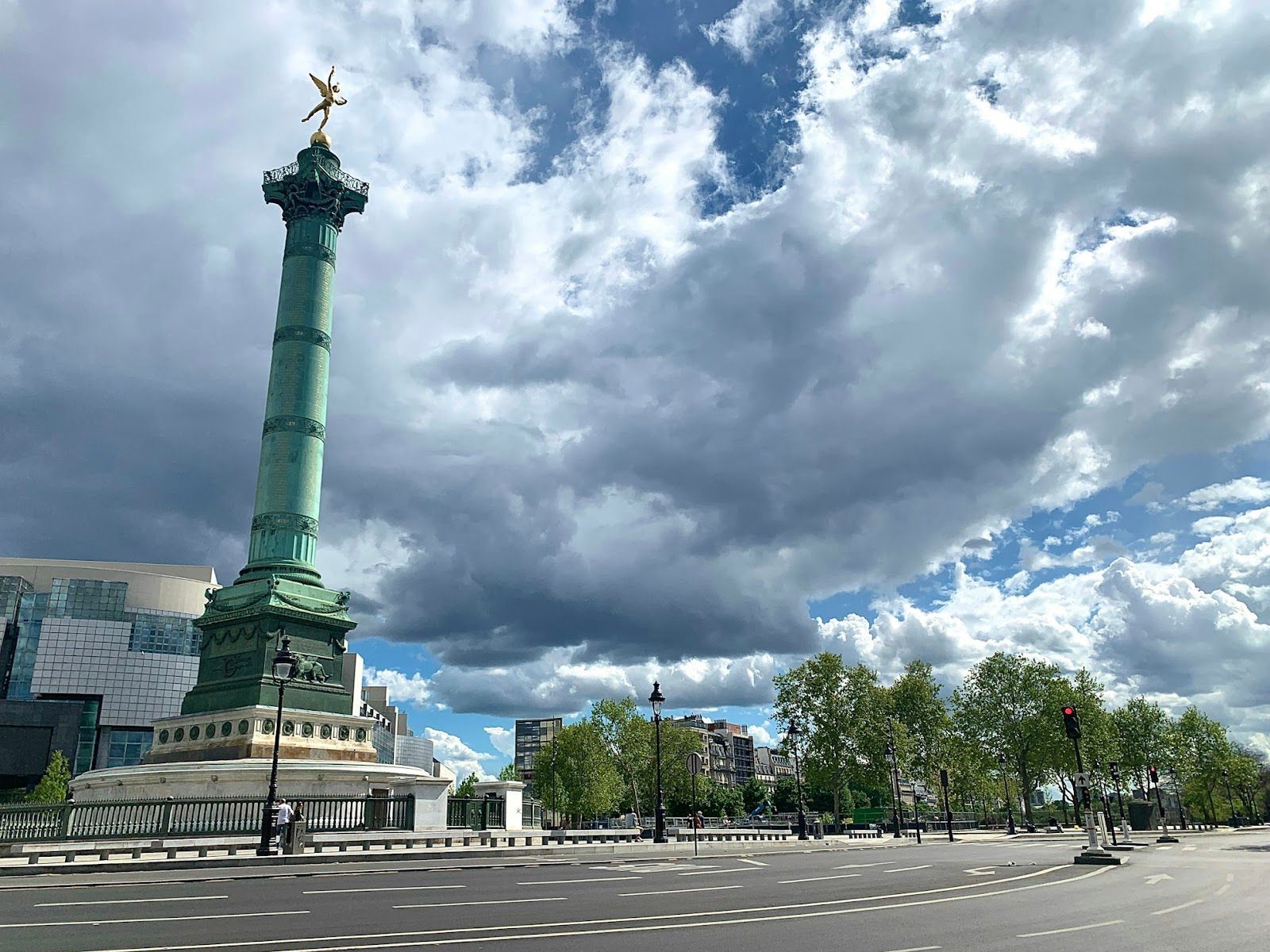
Once a symbol of royal authority, the storming of the Bastille in 1789 marked a decisive turning point and the beginning of the French Revolution. Though the fortress itself no longer stands, its fall ignited sweeping political and social change.
The revolution challenged absolute monarchy, promoted secular governance, and introduced modern concepts of citizenship. Its ideals of liberty, equality, and fraternity continue to shape modern democratic societies around the world.
Hiroshima Peace Memorial (Hiroshima, Japan)

The Hiroshima Peace Memorial stands near the site where the first atomic bomb was dropped during World War II. The devastation experienced here forever changed how humanity views war, technology, and ethical responsibility.
Hiroshima became a global symbol of peace and nuclear disarmament, reminding the world of the consequences of unchecked scientific power and the urgent need for international cooperation.
Today, the site promotes peace, remembrance, and global calls for nuclear disarmament.
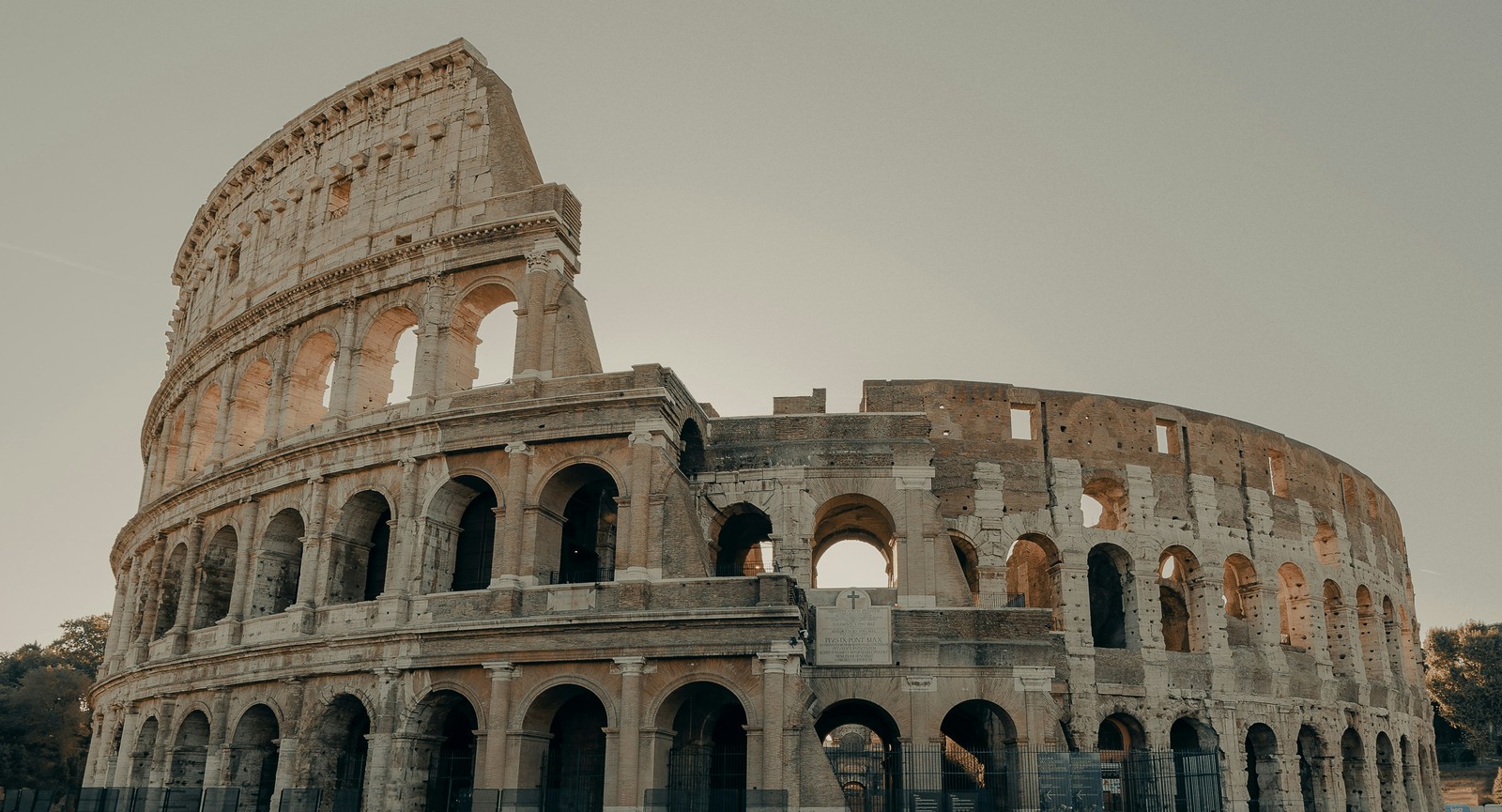
The Colosseum (Rome, Italy)
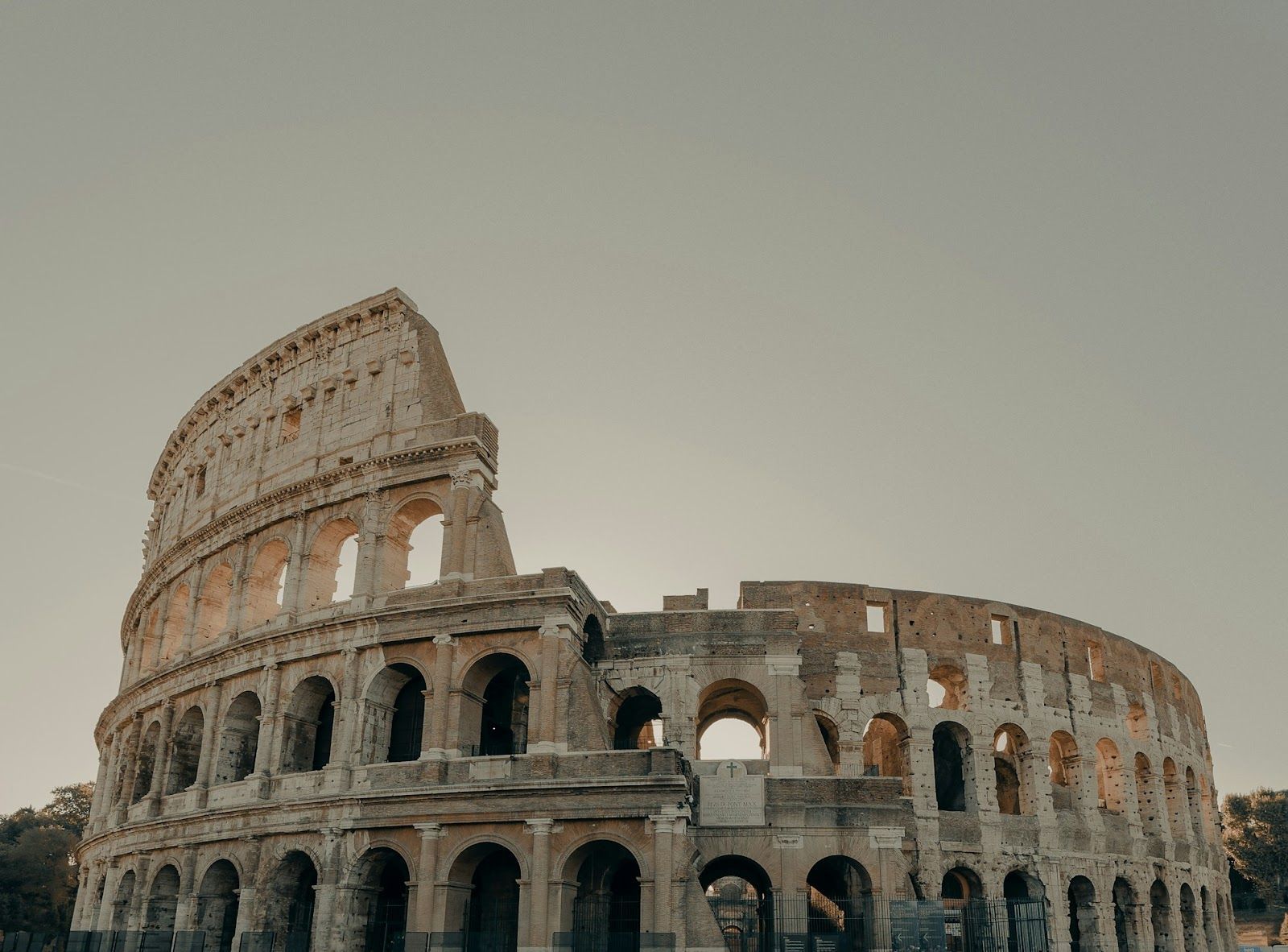
The Colosseum once hosted massive public spectacles, including gladiator battles and staged entertainments that drew crowds from across the city. These events reinforced political authority, social hierarchy, and the values of ancient Rome.
Today, it serves as a reminder of how power, violence, and mass entertainment have long intersected, and how societies evolve in their understanding of human dignity, ethics, and the value of human life.
The Palace of Versailles (Versailles, France)
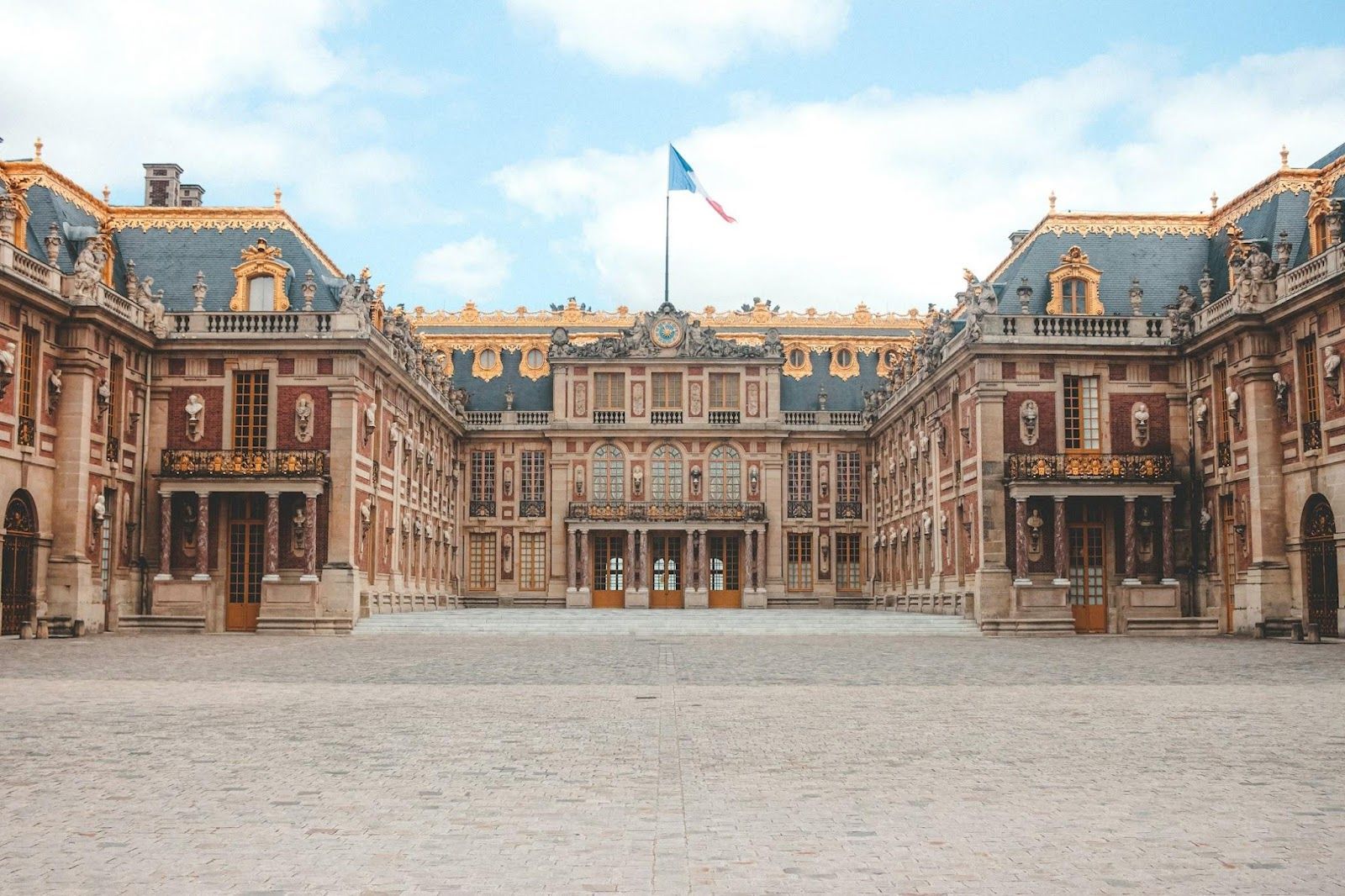
Versailles symbolized absolute monarchy at its peak, showcasing wealth, power, and control under King Louis XIV. It was both a royal residence and a political instrument, designed to project absolute power under the monarchy. Its grandeur symbolized the concentration of authority in the king.
Later, the Treaty of Versailles was signed here after World War I, reshaping global borders and political dynamics. The palace thus represents both the height of royal power and the seeds of future conflict.
Robben Island (South Africa)
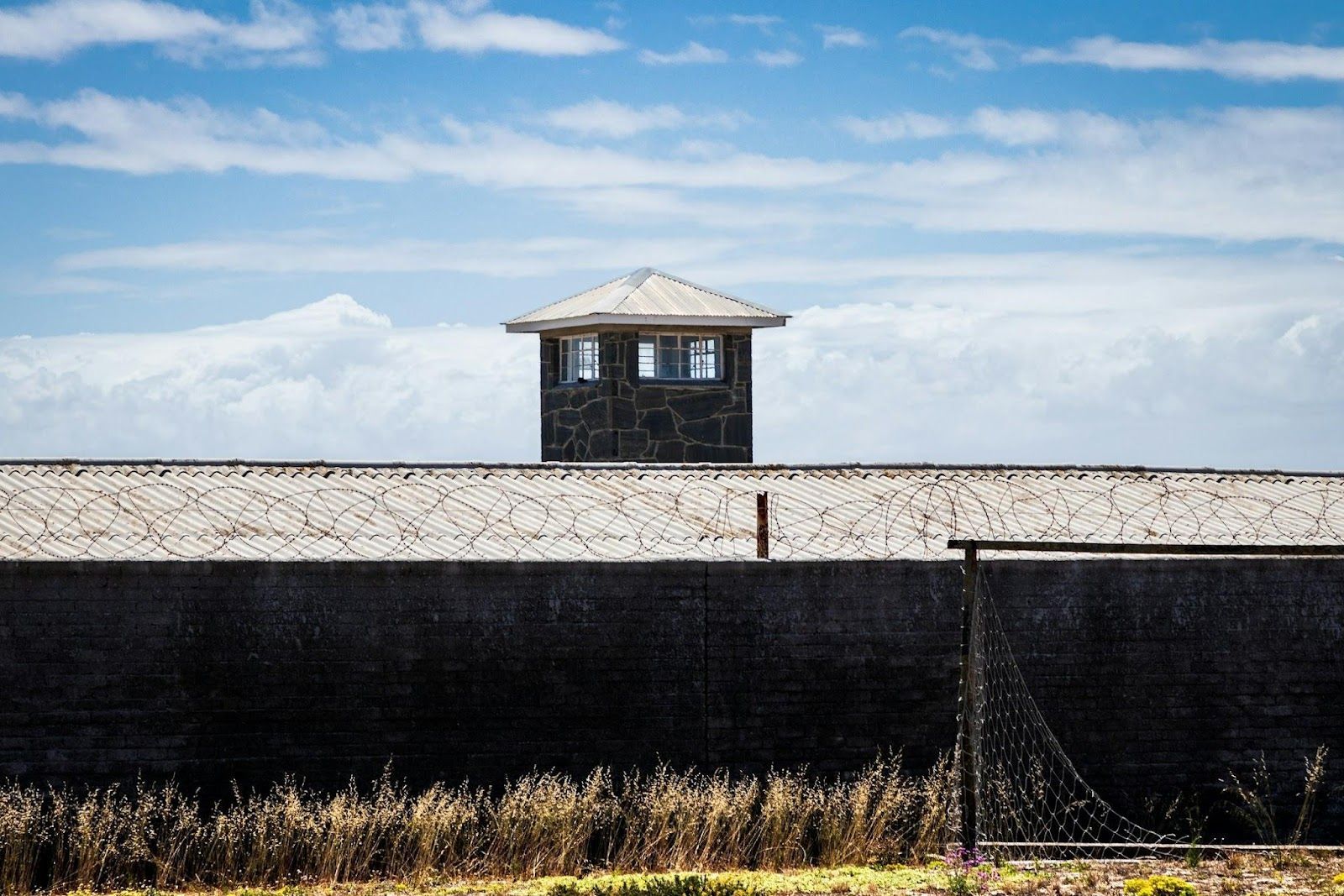
Robben Island is most famously known for imprisoning Nelson Mandela during the apartheid era. Over time, it became a symbol of oppression, resistance, and the struggle for racial equality.
Following the end of apartheid, the island was transformed into a place of remembrance and education. Despite its dark past, today, it stands as a powerful testament to resilience, forgiveness, and the global fight for human rights.
Stonehenge (England)
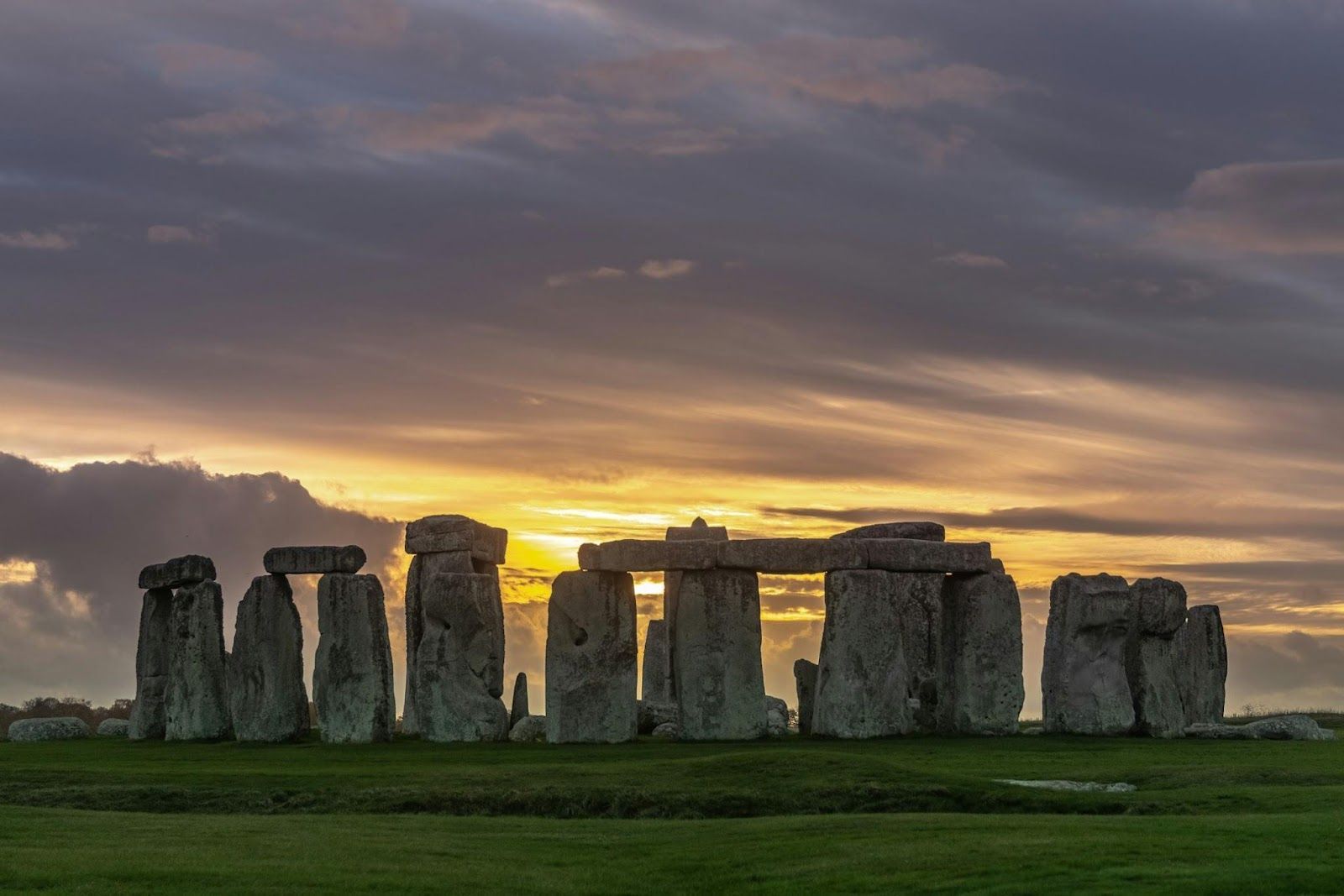
Stonehenge is one of the world’s most famous prehistoric monuments. Its construction shows an early understanding of astronomy, engineering, and landscape design.
The site remains one of humanity’s greatest mysteries. Built thousands of years ago, it suggests complex social organization and spiritual beliefs, and it likely held spiritual or ceremonial significance for ancient societies.
Its enduring presence challenges modern assumptions about ancient societies and highlights humanity’s long-standing desire to understand time, nature, the cosmos, and our place within it.
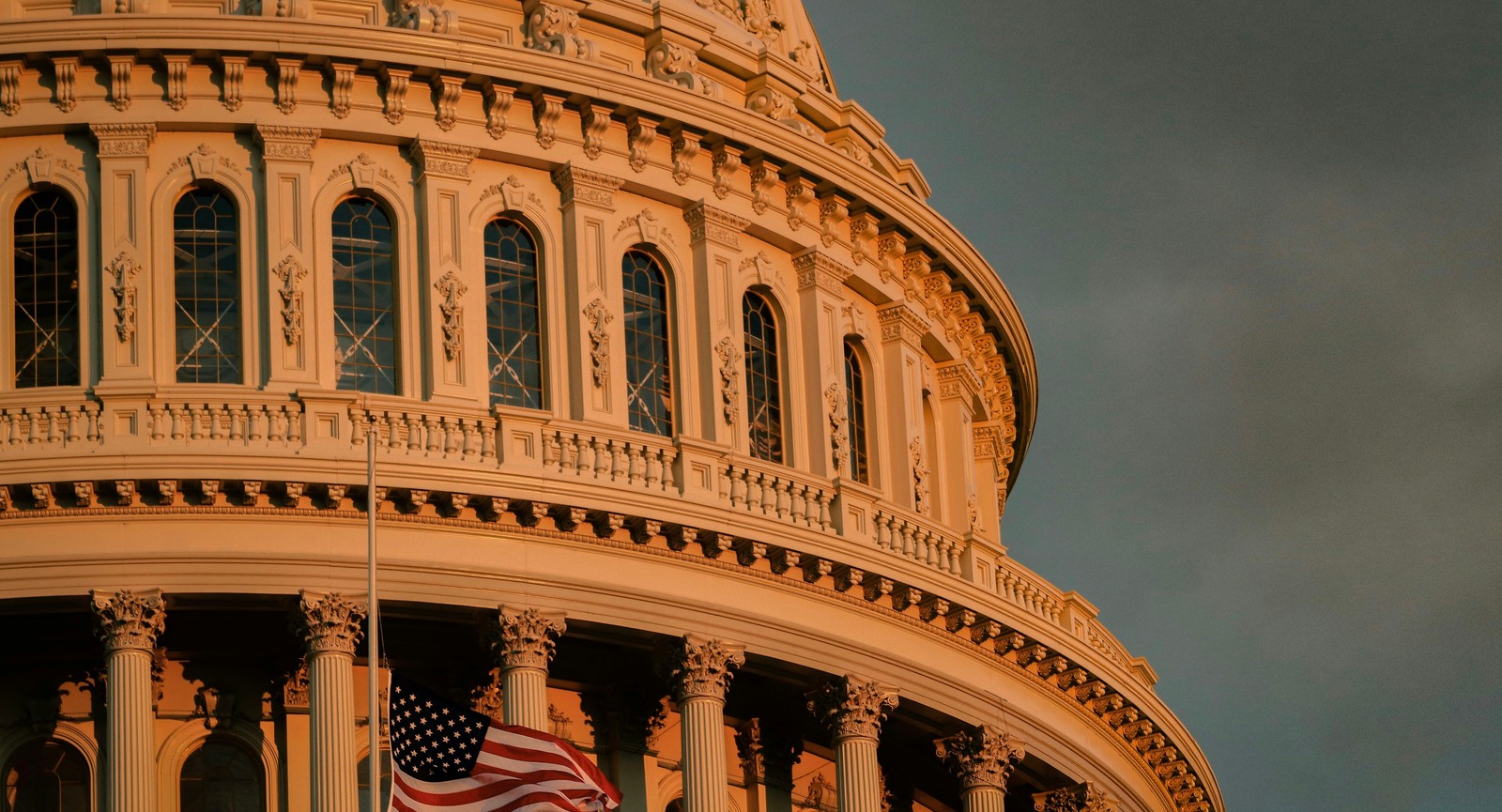
Would Washington approve this? 12 odd details of American State Capitols
 Landmarks
Be amazed!
Would Washington approve this? 12 odd details of American State Capitols
One does not instantly associate State Capitols with out-of-the-ordinary things. These vast and solemn spaces are more often seen as rigid palaces where everything is designed to transmit continuity, trust, and a cold, statuesque calmness. And, for the most part, that is exactly the case. But, in some of these cases, the designers, architects, and builders have managed to introduce interesting details that you would not expect from these places. Take a look at the following 12 oddities and see if you can visit one near you!
Texas
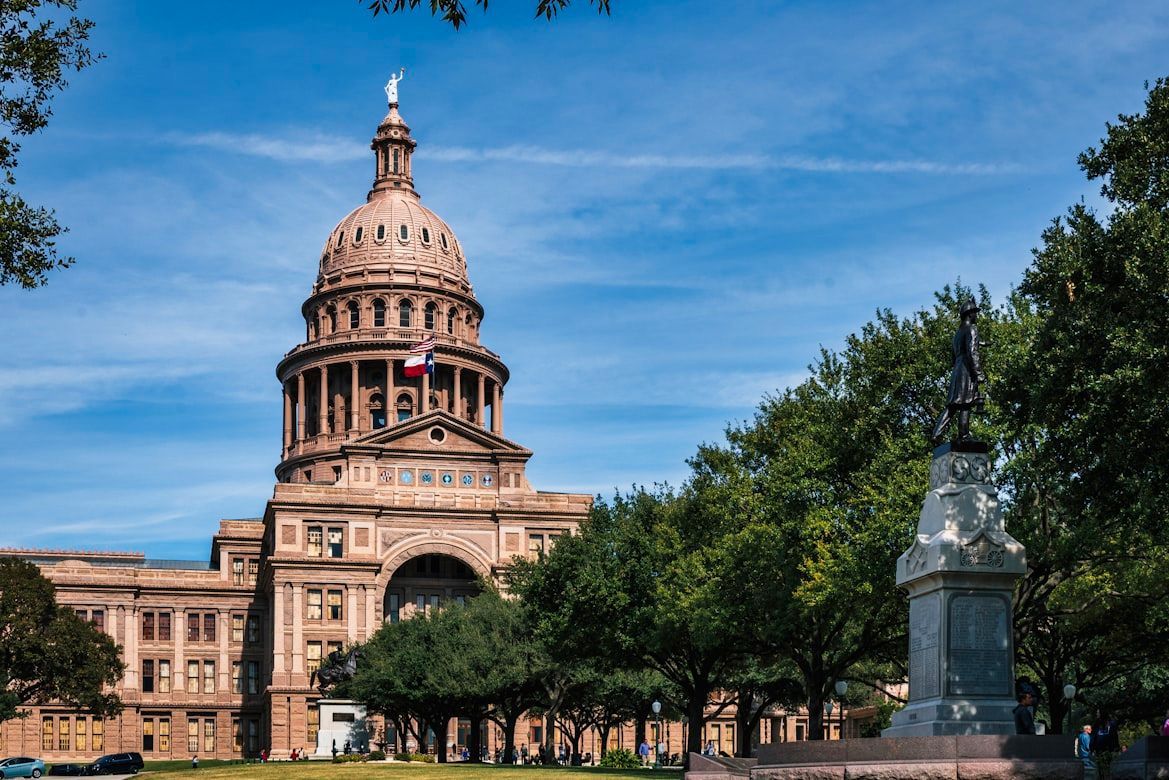 Image: Trac Vu
Stand under the Texas State Capitol dome and try a quiet sentence. The circular rotunda acts like a whispering gallery, carrying sound along the curve so someone far away can hear you clearly.
It’s a fun low-tech science experiment built into the building’s architecture. Even a simple clap pops into a long echo, so tour groups often play a quick call-and-response game across the rotunda.
Iowa
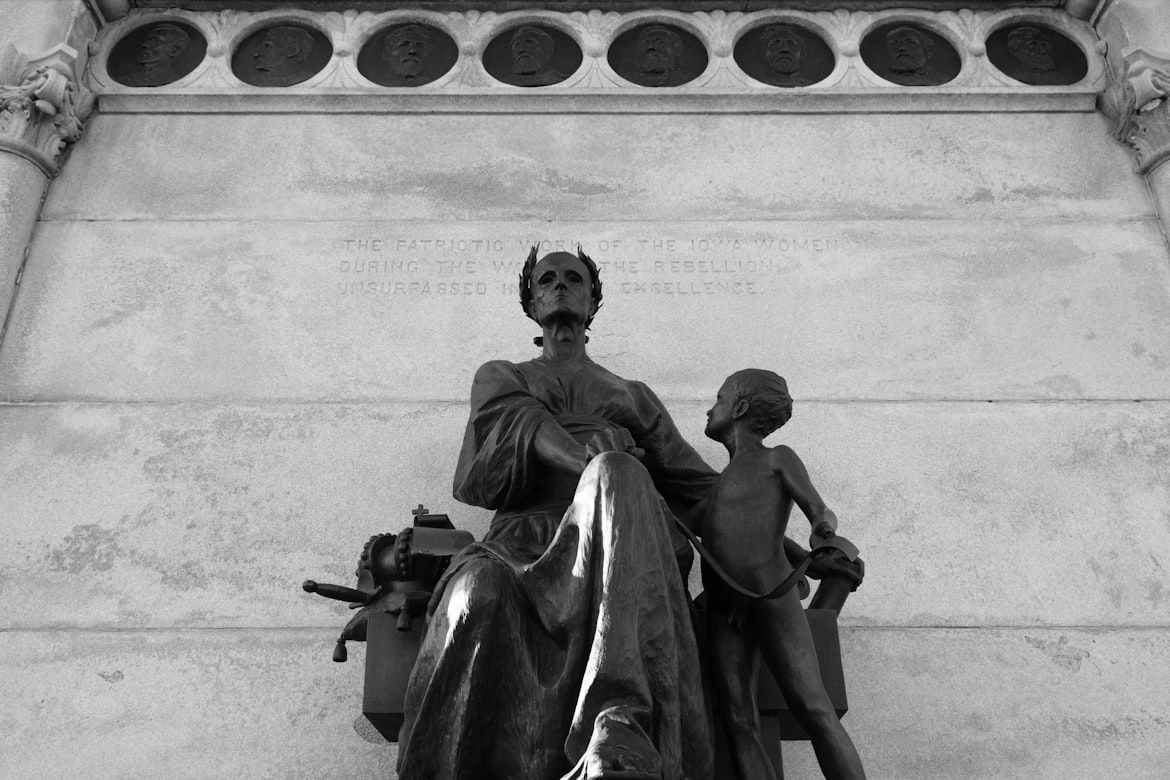 Image: Jasmeet Singh
Inside the Iowa State Capitol is a Victorian law library with ornate ironwork and stacked balconies of books. The matching wrought-iron staircases at each end are really impressive.
They climb through multiple levels like something from a period film, yet the library still functions as a real legal workspace. It’s a rare capitol room where the quiet, the smell of books, and the decoration work together as a whole.
Arizona
 Image: Nils Huenerfuerst
Arizona’s historic Capitol wears a copper-plated dome as a nod to the state’s mining identity. The building also bakes in practical desert ideas, not just decoration.
Look for thick masonry walls, skylights, and bullseye windows meant to vent heat. There’s even a winged-style weather vane you can spot through a skylight from inside the rotunda, if you know where to look up.
Hawaii
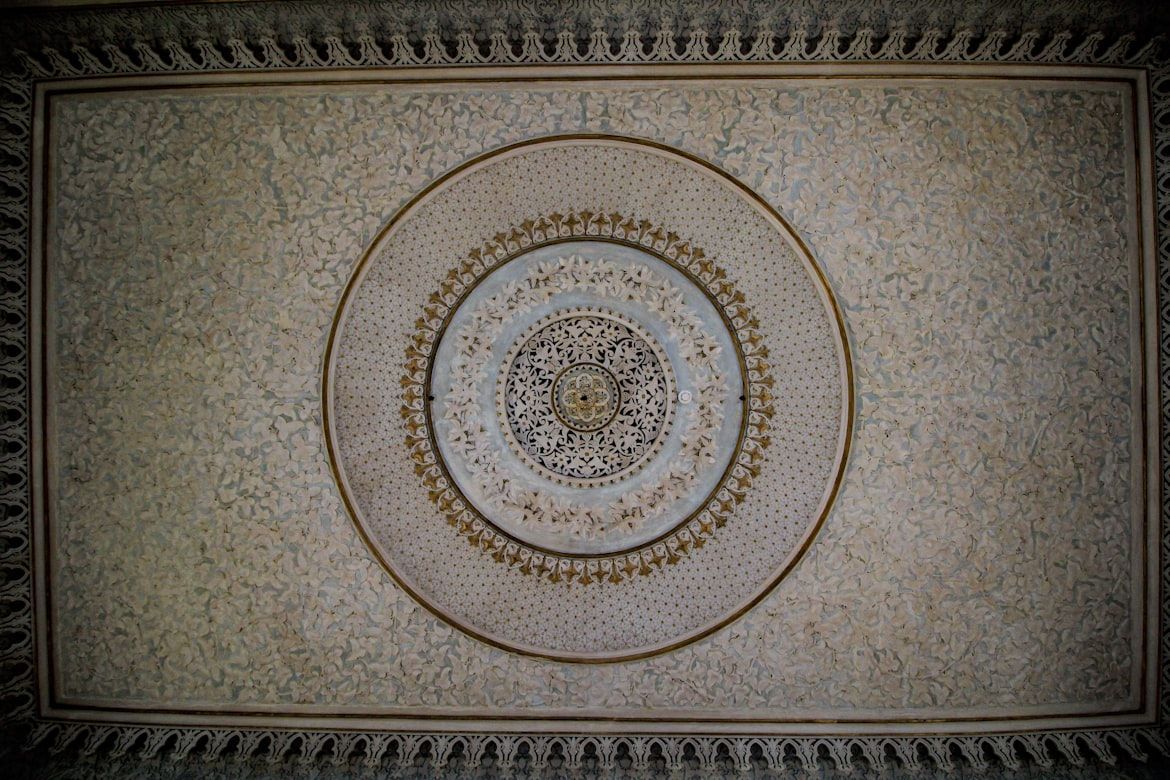 Image: Francisco de Frias
Hawaii’s State Capitol doesn’t copy the U.S. Capitol’s dome look. Instead, its "Hawaiian international" design is filled with meanings you can decode when you walk, like a built-in scavenger hunt.
A reflecting pool surrounds the structure to represent the Pacific Ocean, cone-shaped chambers suggest volcanoes, and palm-trunk columns echo the island's nature. Even repeated sets of eight elements nod to Hawaii’s main eight islands.
Oklahoma
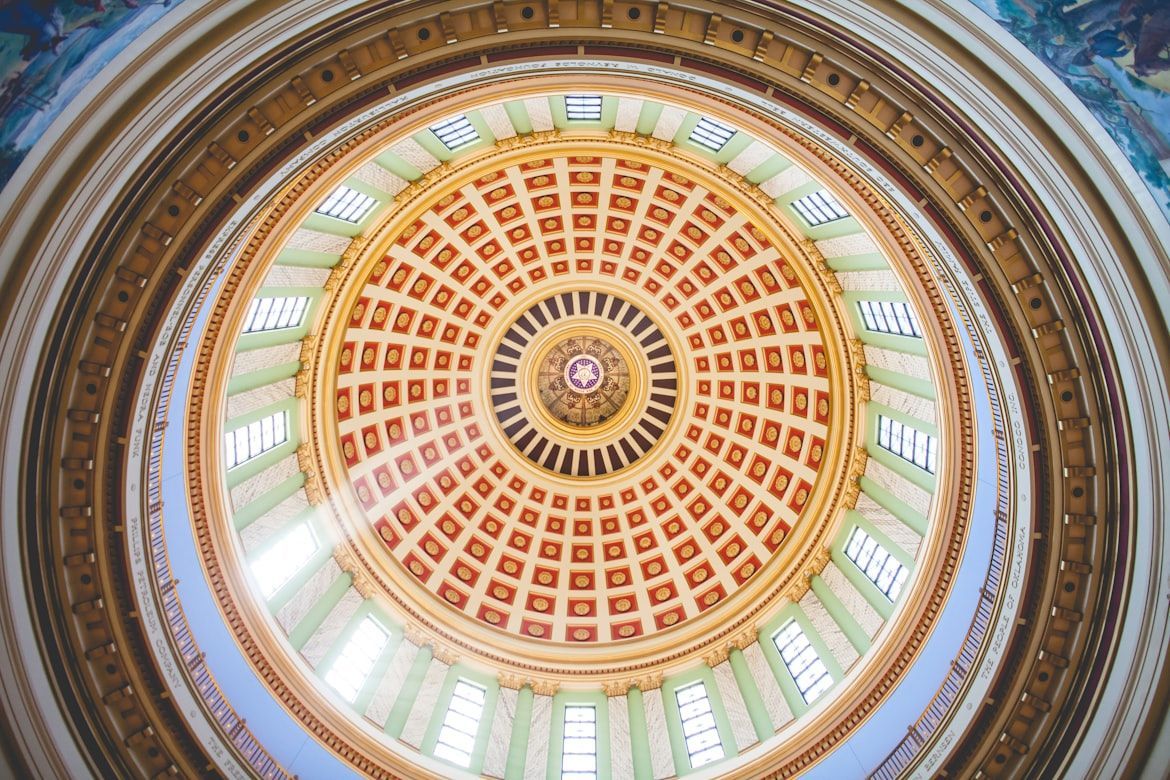 Image: Zach Lucero
Most capitols have lawns and statues. Not Oklahoma. Their State Capitol adds something stranger: oil wells on the Capitol grounds, sitting right over the Oklahoma City Oil Field and tying politics to the state’s geology.
One well is nicknamed "Petunia 1" because it was drilled in a flower bed. It’s a wonderfully Oklahoman detail: industry bubbling up beside government offices, and it’s also an easy "spot the rig" challenge for visitors.
Nebraska
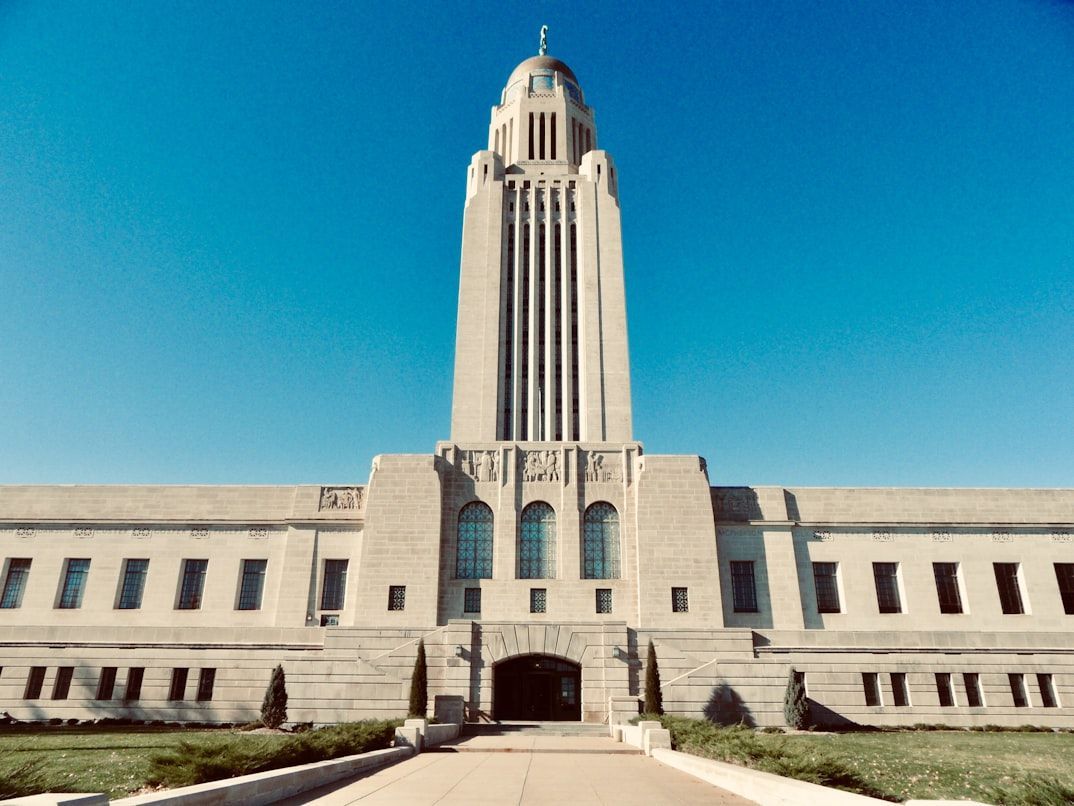 Image: Pieter van de Sande
Look up at the Nebraska State Capitol, and you’ll spot "The Sower," a massive figure casting seeds to the wind from the 400-foot central tower.
The statue symbolizes agriculture’s role in Nebraska’s identity, replacing the usual dome with something more thematic and related to the state.
Minnesota
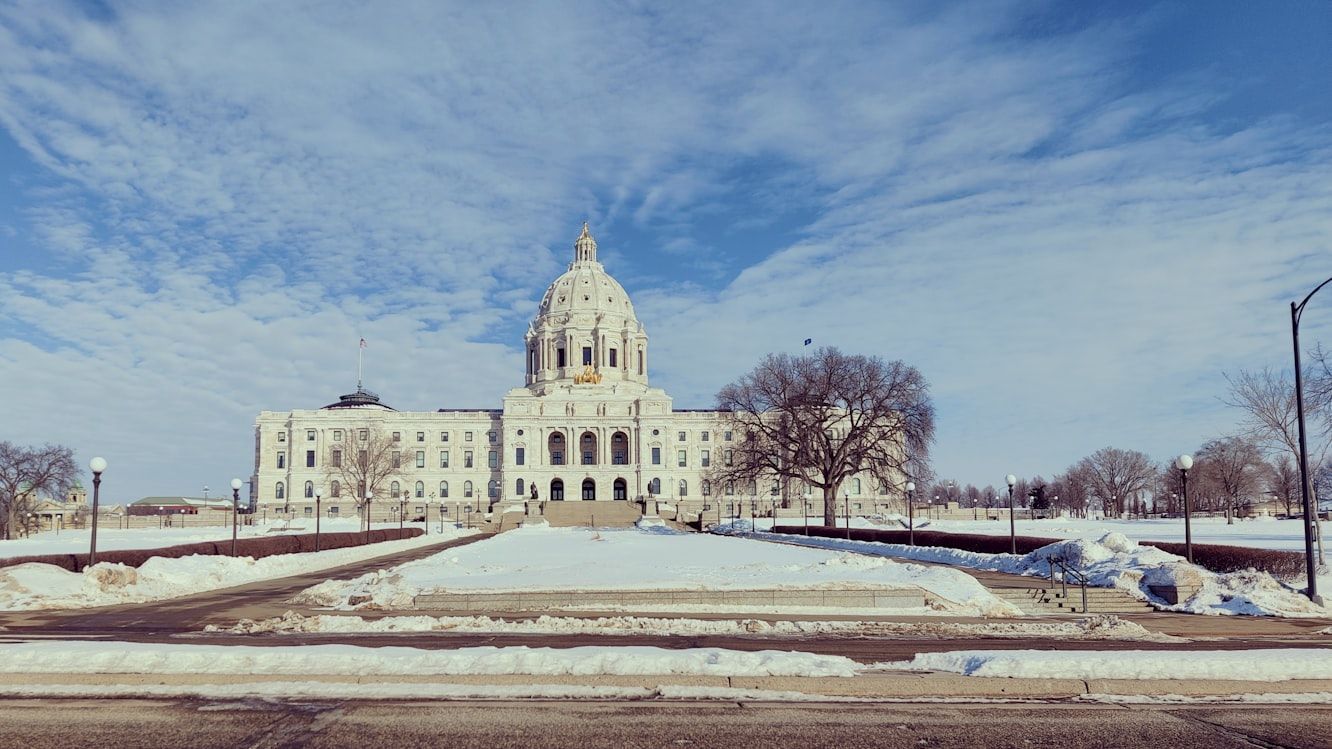 Image: David Anderson
Above the Minnesota State Capitol entrance sits a gilded quadriga (the four-horse chariot that the Romans used) called "Progress of the State." Its copper skin is covered in real gold leaf, making it flash like a trophy in sunlight.
Then comes the odd detail: the chariot wheels sprout pineapples, a long-time symbol of hospitality and welcome. It’s a little joke included on a monument that would be otherwise too solemn.
Massachusetts
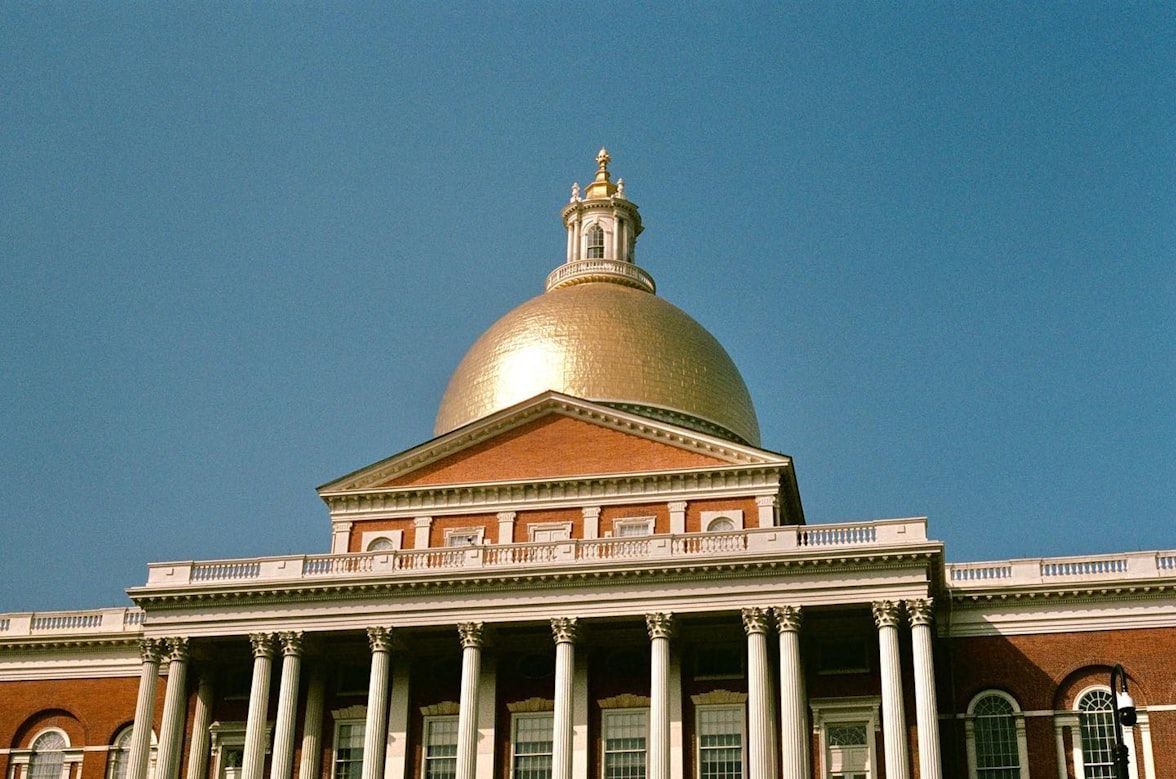 Image: Samuel Yongbo Kwon
High in the Massachusetts State House chamber hangs a painted wooden codfish, installed in 1784 as a reminder of how vital the cod fishery was to the colony and the state’s early economy.
It’s nicknamed the "Sacred Cod," and it has its own anecdote: it was briefly kidnapped more than once in the 1900s.
New York
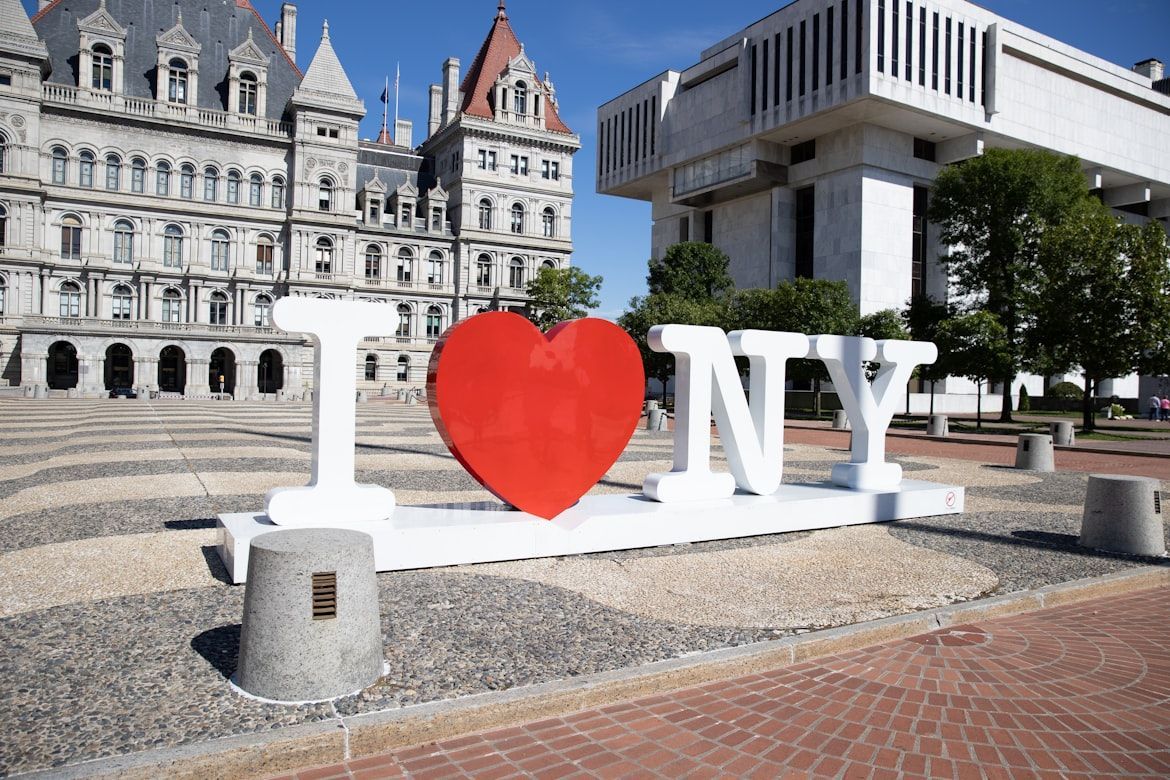 Image: Joshua Williams
In Albany’s New York State Capitol, the staircase isn’t just a common path upstairs; it’s a stone gallery. It is famous for dozens of carved portraits tucked into arches and corners.
The building has many weird carvings, like an ornamental spiderweb, among other things. The many profiles are hidden all over the building, making it a scavenger hunt of sorts.
Kansas
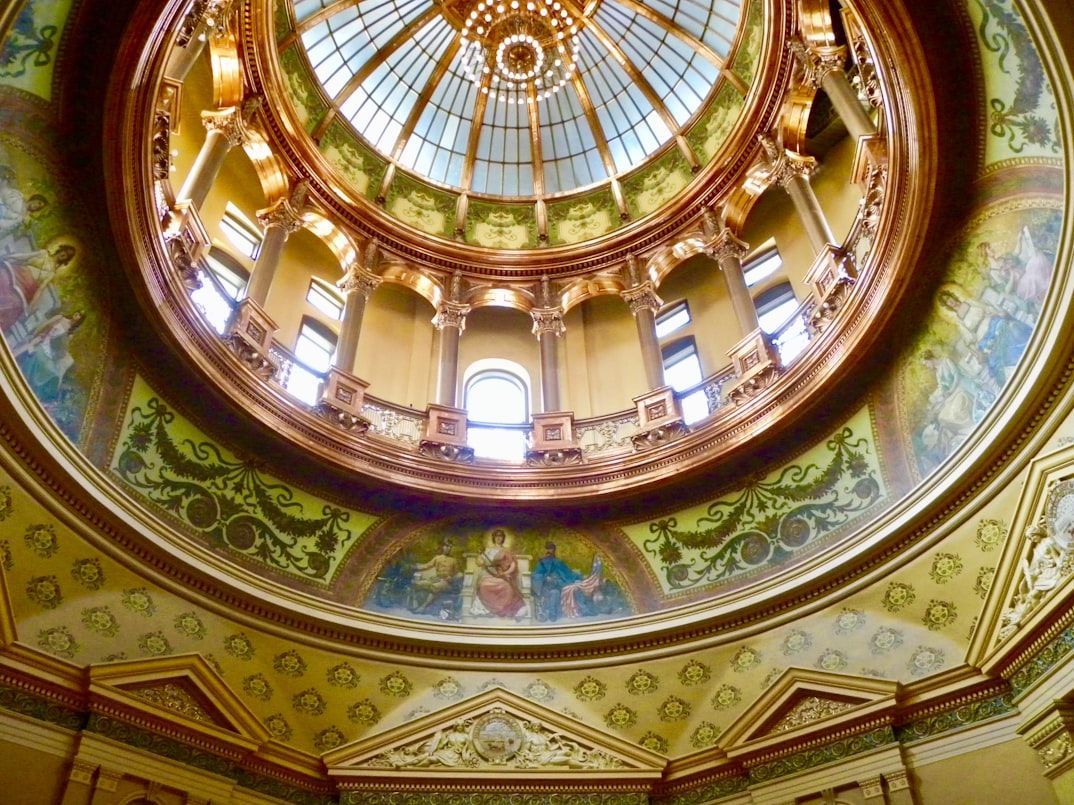 Image: Pieter van de Sande
On the Kansas State Capitol’s second-floor rotunda level, the mural "Tragic Prelude" is as impressive as a movie poster: abolitionist John Brown stands front and center, framed by Civil War chaos scenes. It has over 31 feet across.
Behind him are Union and Confederate soldiers, plus a tornado and a prairie fire closing in (two important things in Kansas weather).
Michigan
 Image: Pete Alexopoulos
The Michigan State Capitol rotunda features a glass floor composed of 976 individual glass tiles set into an iron frame, installed in the 1870s. Visitors walk on a Victorian engineering feat.
Looking up, the oculus in the dome is painted like a starry night sky, with ring of eight muses below.
Utah
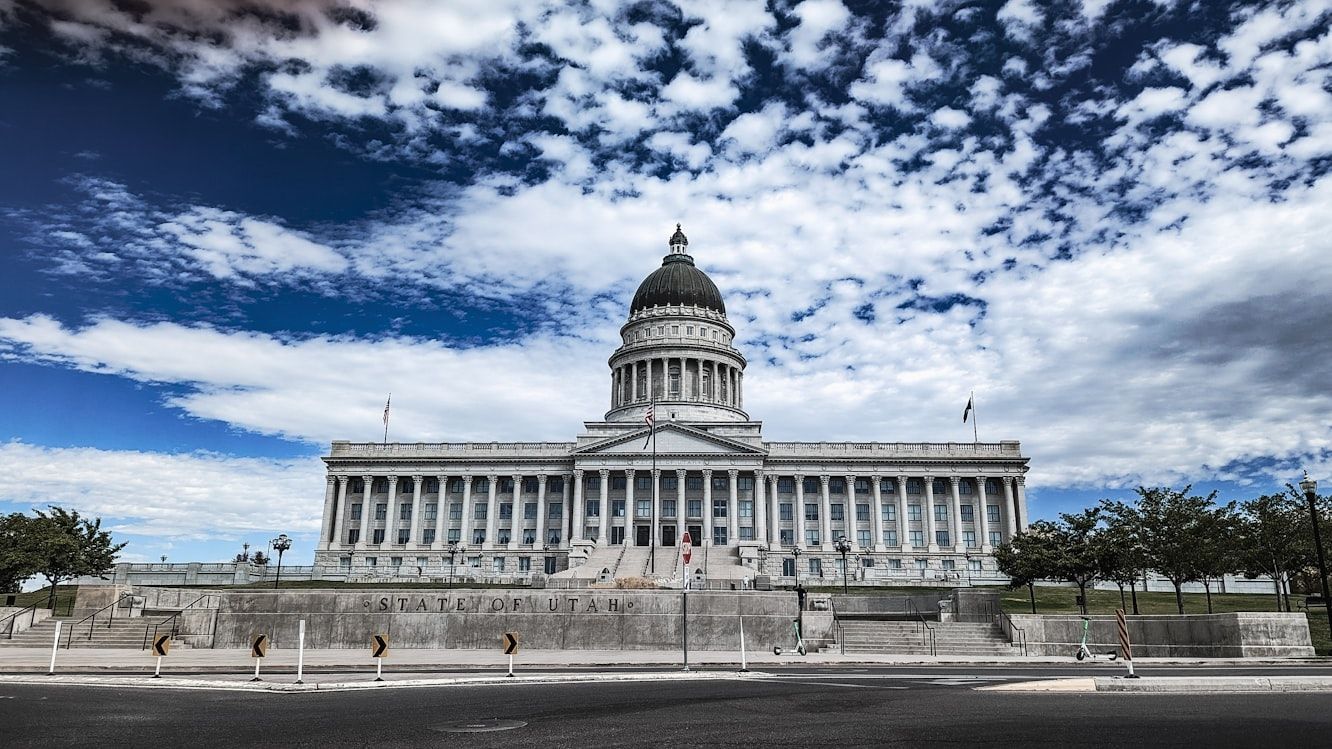 Image: Unma Desai
Utah State Capitol honors its nickname, the Beehive State. One standout is the pair of beehive sculptures placed on the south grand staircase. They are big, symbolic, and highly photogenic. They also include the word "Industry," which is Utah’s official motto.
The beehive motif can be found all over the grounds, turning any visit into a game of spotting beehives for visitors.
Keep wandering
There’s always
more to explore
 General

Why planes are painted white: The real reason
6 min.
Read Now

Walt Disney's apartment still has its lights on
4 min.
Read Now
 Geography

This mountain isn't one volcano, it's actually three
7 min.
Read Now
Why this hotel room stayed locked for 30 years: 10 hotels hiding secrets
7 min.
Read Now