
Are you polite? It depends on the country you are visiting
 Culture
Research is key
Are you polite? It depends on the country you are visiting
Travelling abroad is a wonderful way of experiencing new cultures and ways of life, but it can come with culture shock. What is common and expected in everyday scenarios across the U.S. might not be the norm elsewhere, which can lead to embarrassing or awkward situations.
This is sometimes unavoidable, but researching the cultural norms of your traveling destination beforehand can help you blend in better with the locals or at least avoid uncomfortable exchanges. These are 10 things that you should check before your trip.
Politeness comes in different shapes and sizes

Americans are known for their direct, informal speech, which can sometimes be misunderstood when travelling abroad. For Americans, being polite is often associated with friendliness and making the other person comfortable.
While cultures across the Americas behave similarly, many European and Asian cultures associate politeness with formal distance and an avoidance of requests, which can naturally come across as cold for most Americans.
What social norms should I be aware of?

Is it possible to create a public disturbance without realizing it? If you are immersing yourself in a totally different society, chances are that what is considered adequate public behavior will differ from what you are used to, so doing some research beforehand can help you avoid an uncomfortable situation.
What is seen as a perfectly acceptable public behavior in American culture can stand out in places where public quietness is the most important norm of all. This also applies to talking on the phone or listening to music in public spaces or public transportation.
The dining out experience

Besides the natural food habits differences that exist between cultures, there are also differences in what is expected when eating out. American restaurants and diners tend to prioritize convenience and speed. Other cultures —European and South American in particular— see eating out as a socializing moment that should be slowed down and enjoyed.
Of course, if you wish to eat quickly and go your way, no one will prevent you from doing so, but the overall pace of restaurants might be slower than what you are used to. An important tip to keep in mind: if they have not brought the check over after you finish eating, it is because they are expecting you to ask for it.
Be mindful of opening and closing times

For those used to the ample working hours of American shops and restaurants, trying to buy an early morning coffee on holiday can become an odyssey. Particularly in Europe and in South America, it is common for businesses to open late in the morning or to close for a few hours at lunchtime.
Sometimes, you will have to adapt to this new schedule, but there are ways to make it work for you, such as looking for local convenience stores or markets that open while other shops are closed, asking if your hotel cafeteria serves breakfast early, or keeping snacks on hand to tide you over until shops are open.
Saying hello and goodbye

American greeting styles vary from friendly remarks in informal contexts to polite handshakes in formal settings. Abroad, you might come across a multitude of situations, such as cheek kisses and hugs (South America and parts of Europe), brief handshakes (more formal European countries), or polite bows (most Asian countries).
Despite these differences, being able to greet others appropriately is a great way to breach the cultural divide we sometimes experience when travelling abroad, so don’t underestimate the power of greeting someone in their own language.
How much space is personal space?

When it comes to personal space, most Americans are placed in the middle of the spectrum. They like their personal bubble, but they are willing to share it with friends and acquaintances.
South American and Mediterranean cultures tend to have more physical contact and a smaller concept of personal space, while cultures across Asia and some parts of Europe place importance on avoiding contact with strangers and keeping to their space.
Shoes? Not always allowed

This might seem minor, but cultural stances about wearing shoes inside should not be overlooked. While many Americans make a difference between indoor and outdoor shoes, it is not as strong a cultural norm as in Asia, the Middle East, and some parts of Europe. In some places (especially Asian societies), breaking this rule can lead to getting scolded by otherwise polite and reserved locals.
Be careful with your money

Cultures across the Americas —the U.S. included— have a more relaxed point of view when it comes to handling and discussing money. European and Asian cultures, however, have stricter rules and consider the open talk about money and salaries to be indiscreet and sometimes even taboo.
In Asian countries in particular, handling physical money comes with its own set of rules, usually avoiding crumpling bills or passing them directly from hand to hand. Some of these countries even see tipping as disrespectful, so make sure to research tipping customs before traveling.
How punctual is punctual?

Punctuality is highly valued in American culture, but most people are willing to give a few minutes before officially considering someone late. After all, there are always things outside one’s control, such as the traffic ot the weather,
This can vary abroad: Latin American, Mediterranean, Middle Eastern, and some African cultures are less strict with time, preferring flexible and spontaneous schedules, while Asian and some Northern European cultures see strict punctuality as an essential part of politeness and work ethic.
Small talk? Not for everyone

As a natural result of the American tendency to friendliness and easy communication, small talk is seen as natural and used as a way to establish rapport with strangers and new acquaintances.
Cultures across the Americas, Africa, and the Middle East have a similar stance to the U.S., but in Asian and most European cultures, small talk is unusual and might be considered a breach of the distance expected between strangers.
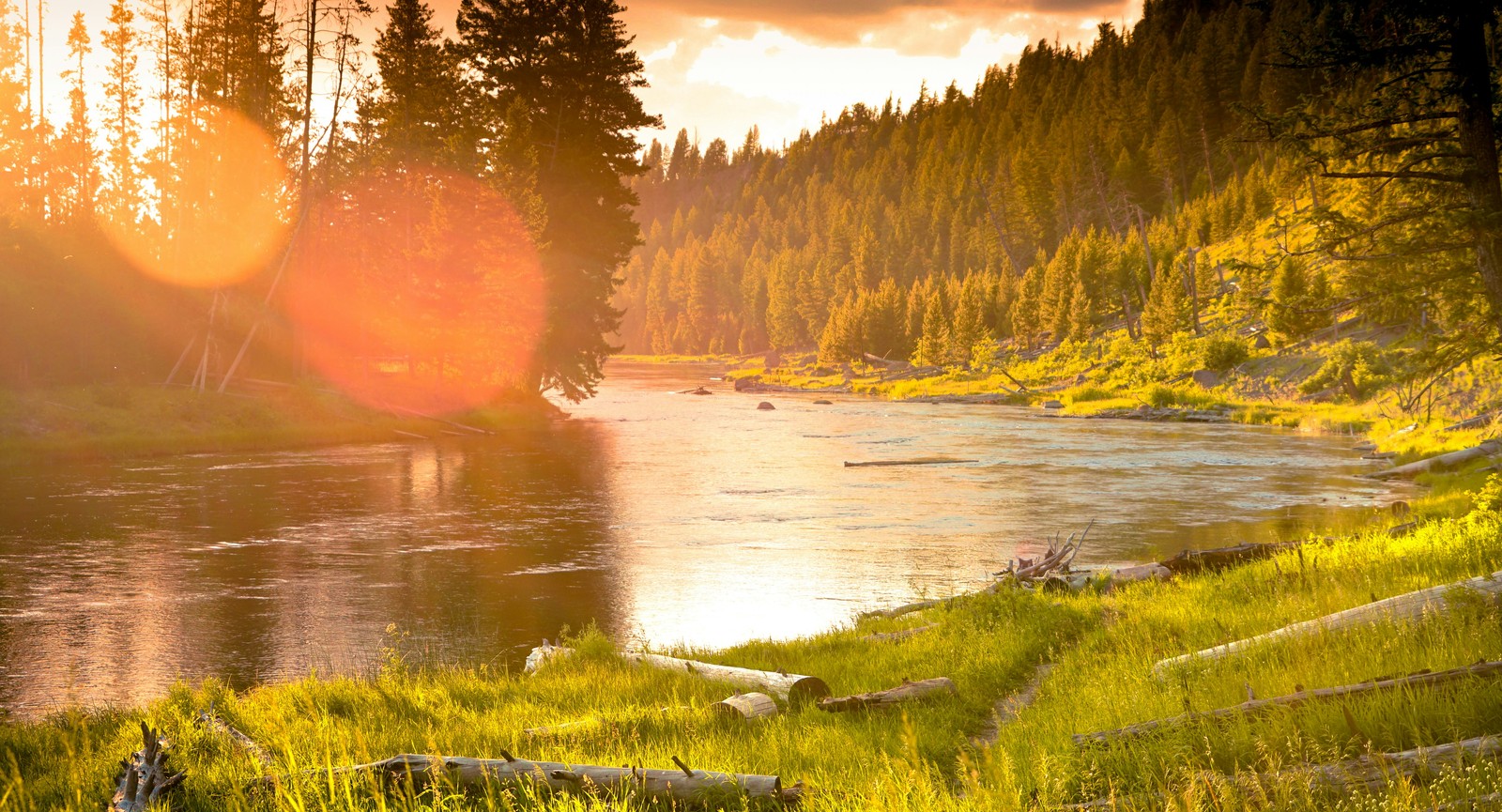
10 National Parks that will completely change how you see nature
 Landmarks
Wild America: 10 National Parks that define the United States
The United States is home to an extraordinary network of national parks that protect some of the world’s most breathtaking landscapes. From towering mountains and deep canyons to lush forests and dramatic coastlines, these parks showcase the country’s natural diversity and beauty while offering endless opportunities for exploration and discovery. Below are some of the most remarkable national parks across the USA, each showcasing a unique side of America’s wilderness.
Yellowstone National Park (Wyoming, Montana, Idaho)
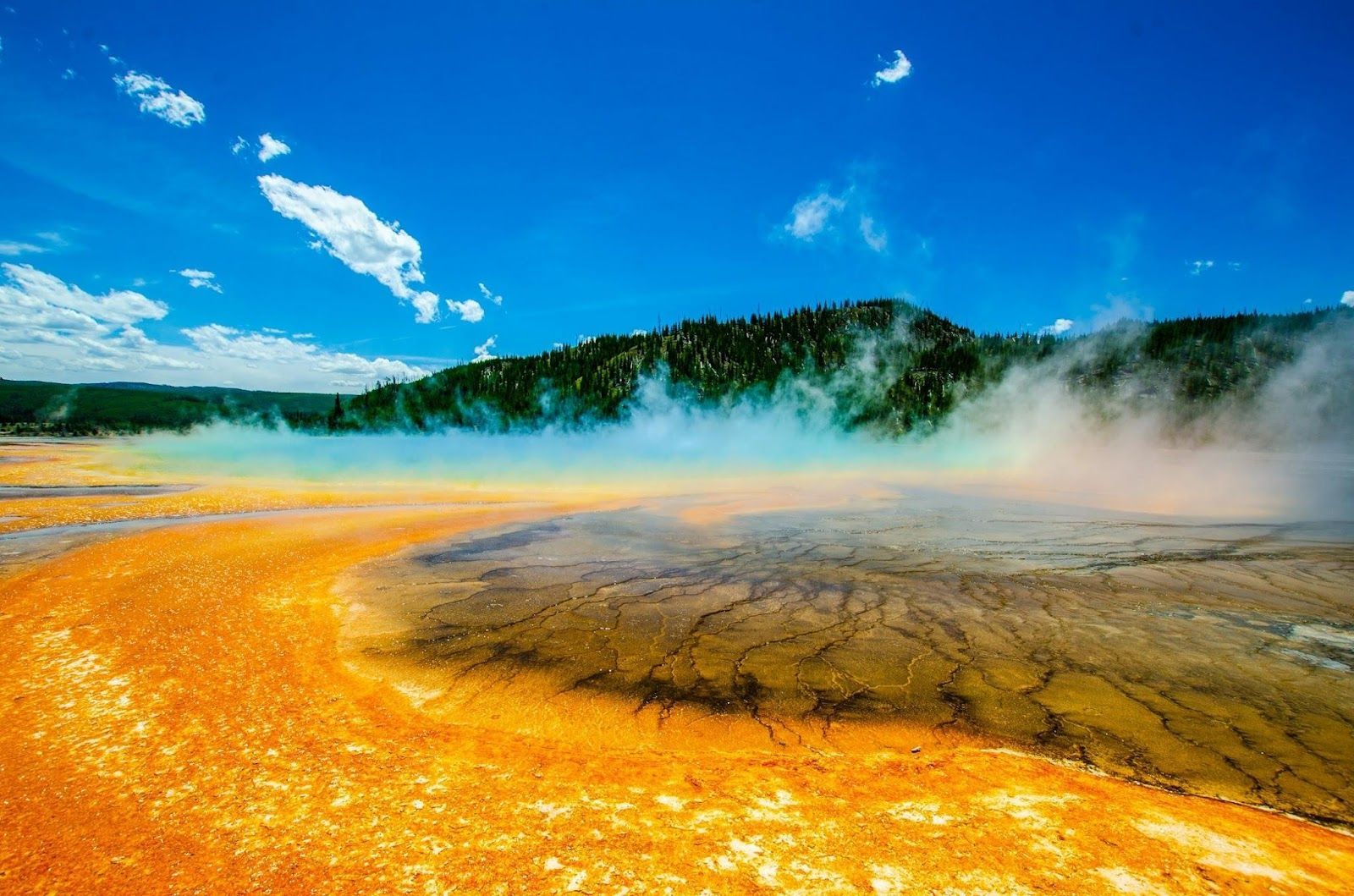 Image: Jeromey Balderrama
Yellowstone National Park holds the distinction of being the world’s first national park, established in 1872. It is best known for its geothermal features, including geysers, hot springs, mud pots, and fumaroles. Old Faithful, perhaps the park’s most famous geyser, erupts with remarkable regularity and remains a major attraction for visitors.
Beyond its geothermal wonders, Yellowstone is also one of the largest intact ecosystems in the lower 48 states. The park is home to a wide variety of wildlife, including bison, elk, wolves, and grizzly bears. Its vast valleys, forests, and rivers make it a symbol of the wild American West.
Yosemite National Park (California)
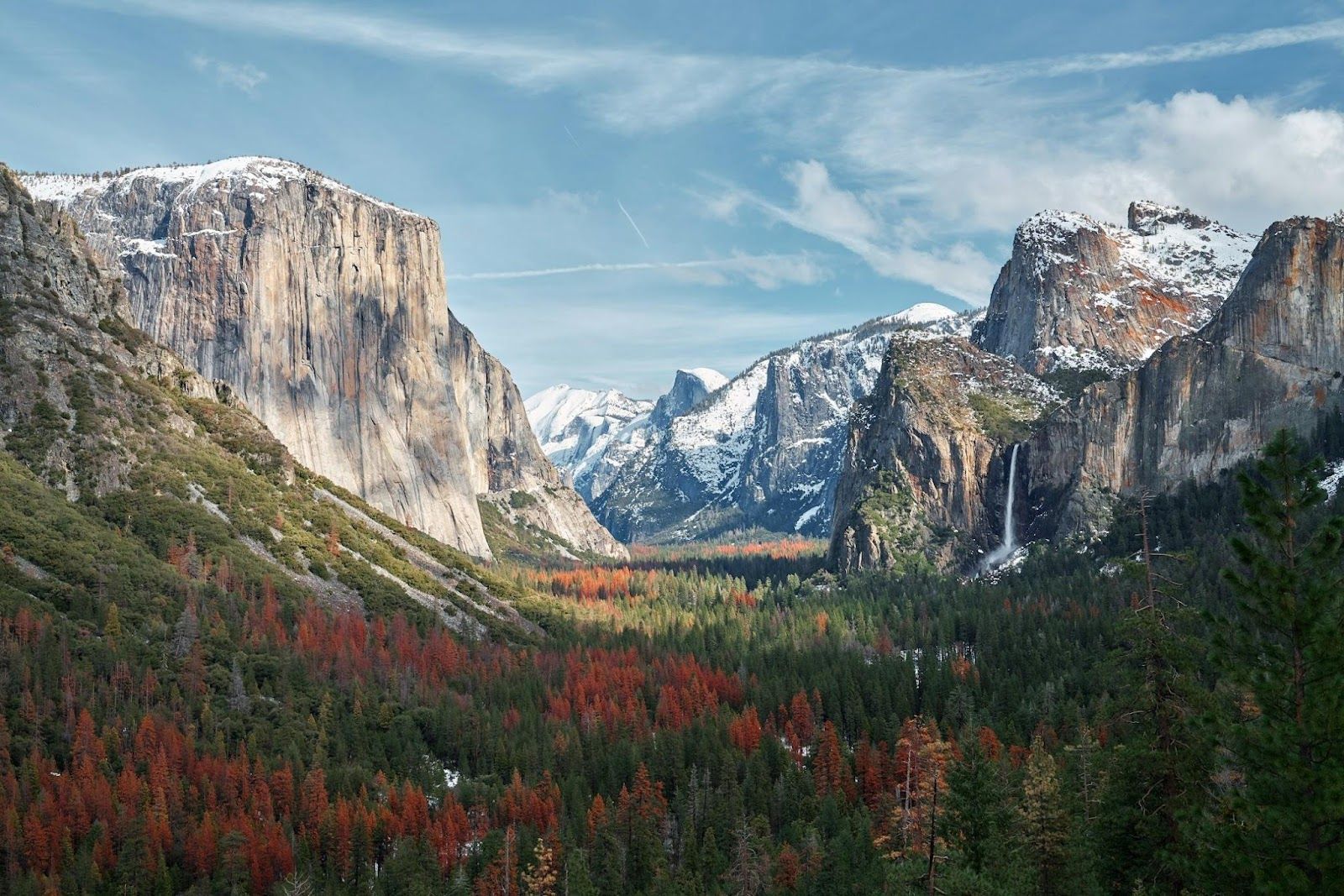 Image: Aniket Deole
Yosemite National Park is celebrated for its dramatic granite cliffs, towering waterfalls, and ancient sequoia trees. Iconic landmarks such as El Capitan and Half Dome rise sharply from Yosemite Valley, creating one of the most recognizable landscapes in the country.
The park also offers diverse outdoor activities year-round. Visitors can hike scenic trails, rock climb on world-famous routes, or enjoy peaceful moments among alpine meadows and clear mountain streams. Yosemite’s beauty has inspired artists, photographers, and conservationists for generations.
Grand Canyon National Park (Arizona)
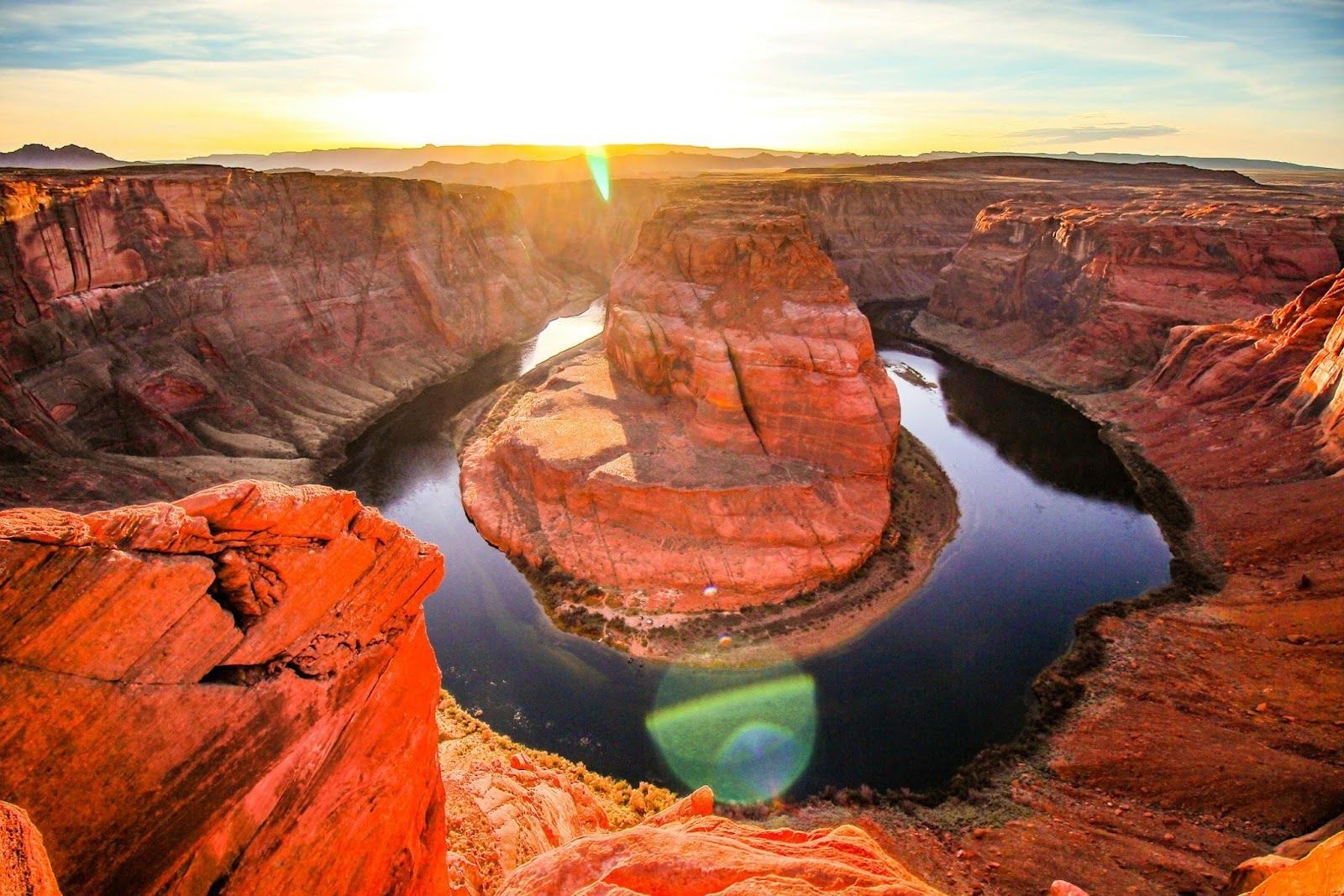 Image: Florian Wehde
The Grand Canyon is one of the most breathtaking natural wonders in the world. Carved by the Colorado River over millions of years, the canyon stretches for hundreds of miles and reaches depths of over a mile in some areas. Its layered red rock formations reveal a stunning geological history.
Visitors can explore the canyon from the rim or venture below on hiking and rafting adventures. Sunrise and sunset transform the canyon’s colors dramatically, making each visit a unique experience. The sheer scale of the Grand Canyon leaves a lasting impression on everyone who sees it.
Great Smoky Mountains National Park (Tennessee, North Carolina)
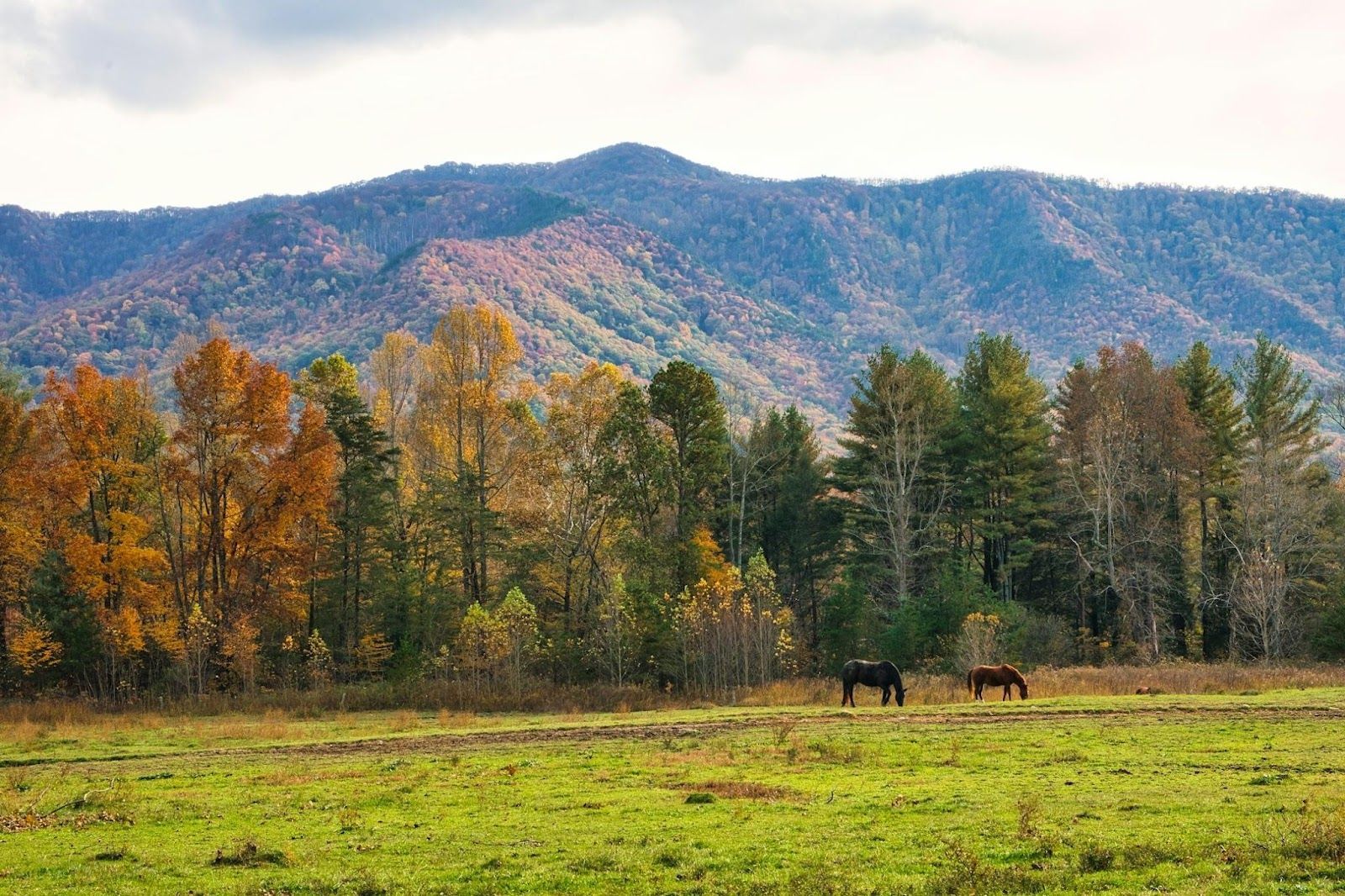 Image: David Hertle
Straddling the border between Tennessee and North Carolina, Great Smoky Mountains National Park is known for its mist-covered ridges and lush forests. It is the most visited national park in the United States, thanks to its accessibility and scenic beauty.
The park boasts incredible biodiversity, with thousands of plant and animal species. Historic cabins, old mills, and preserved homesteads offer a glimpse into early Appalachian life, while miles of trails invite hikers to explore rolling mountains and quiet valleys.
Zion National Park (Utah)
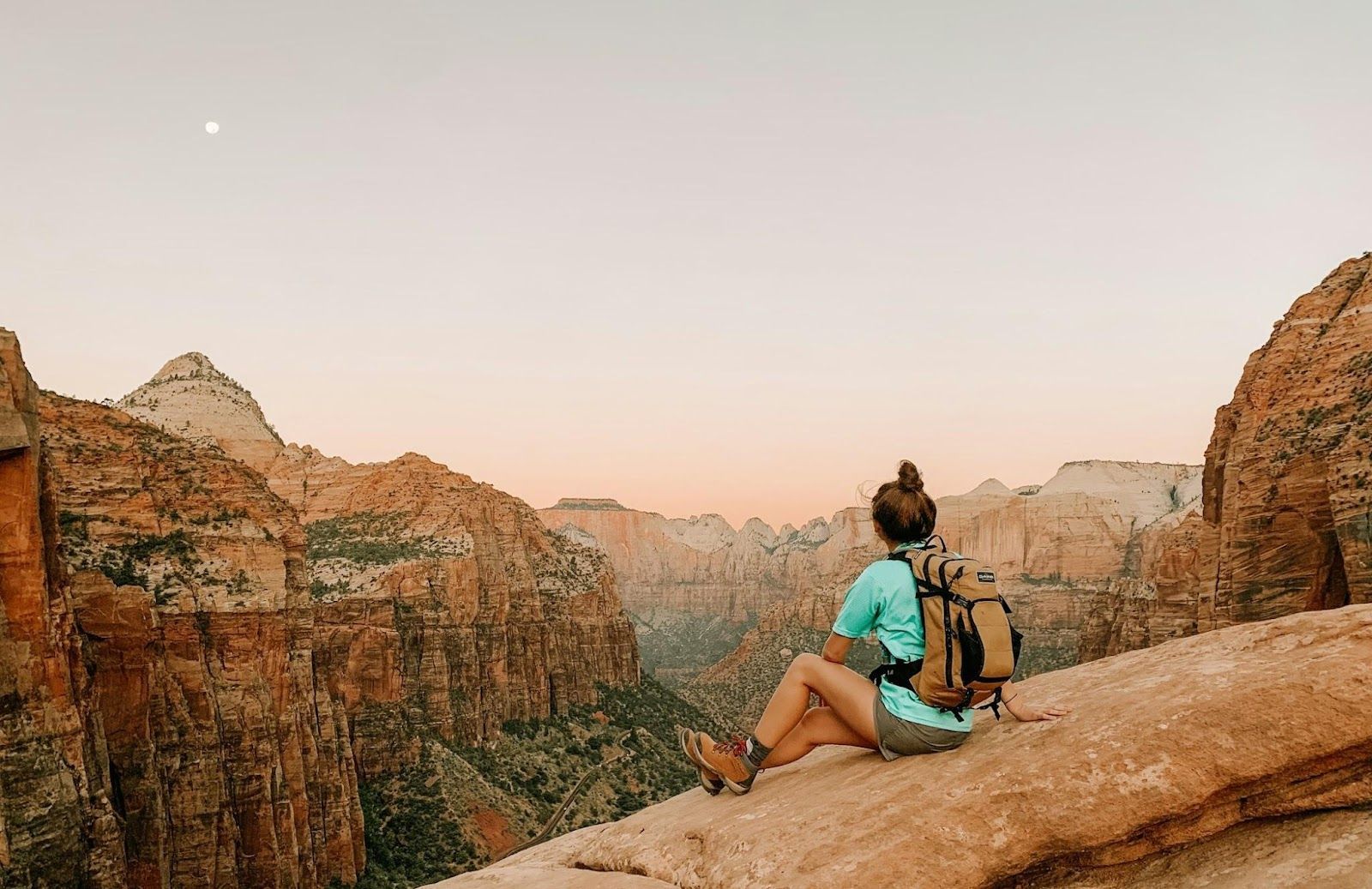 Image: Katie Polansky
Zion National Park features towering sandstone cliffs, narrow slot canyons, and dramatic desert landscapes. The park’s steep canyon walls glow in shades of red, orange, and cream, creating striking contrasts against blue skies.
Popular hikes such as Angels Landing and The Narrows provide unforgettable adventures. Whether hiking through river-carved canyons or enjoying scenic drives, Zion offers a powerful sense of scale and natural beauty that defines the American Southwest.
Rocky Mountain National Park (Colorado)
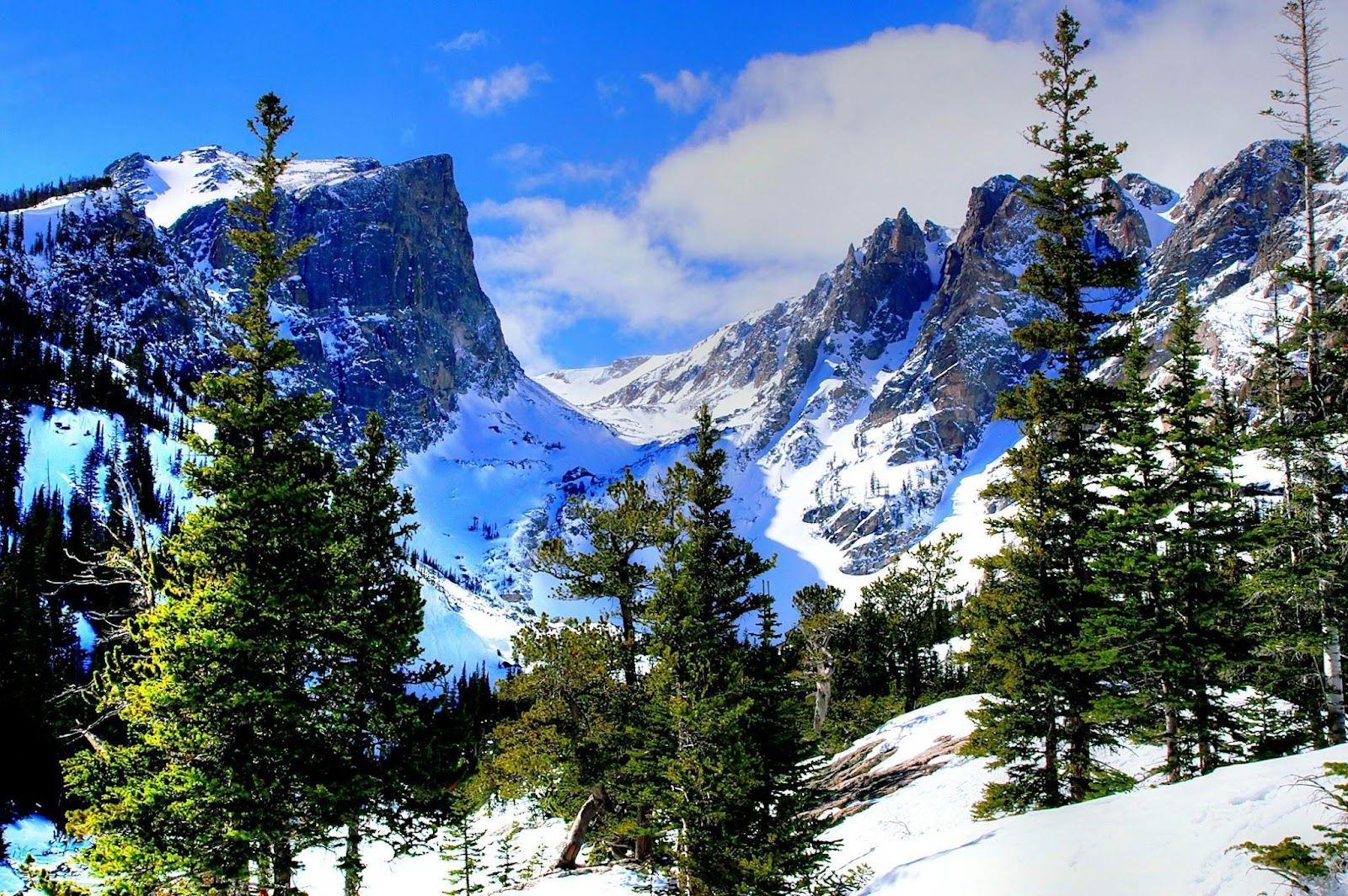 Image: Michael Kirsh
Rocky Mountain National Park showcases the rugged beauty of the Colorado Rockies. With soaring peaks, alpine tundra, and crystal-clear lakes, the park offers dramatic scenery at every turn. Trail Ridge Road allows visitors to travel above the tree line for sweeping mountain views.
Wildlife is abundant throughout the park, including elk, moose, and bighorn sheep. Seasonal changes bring diverse experiences, from wildflower-filled summers to snow-covered winter landscapes ideal for snowshoeing and cross-country skiing.
Acadia National Park (Maine)
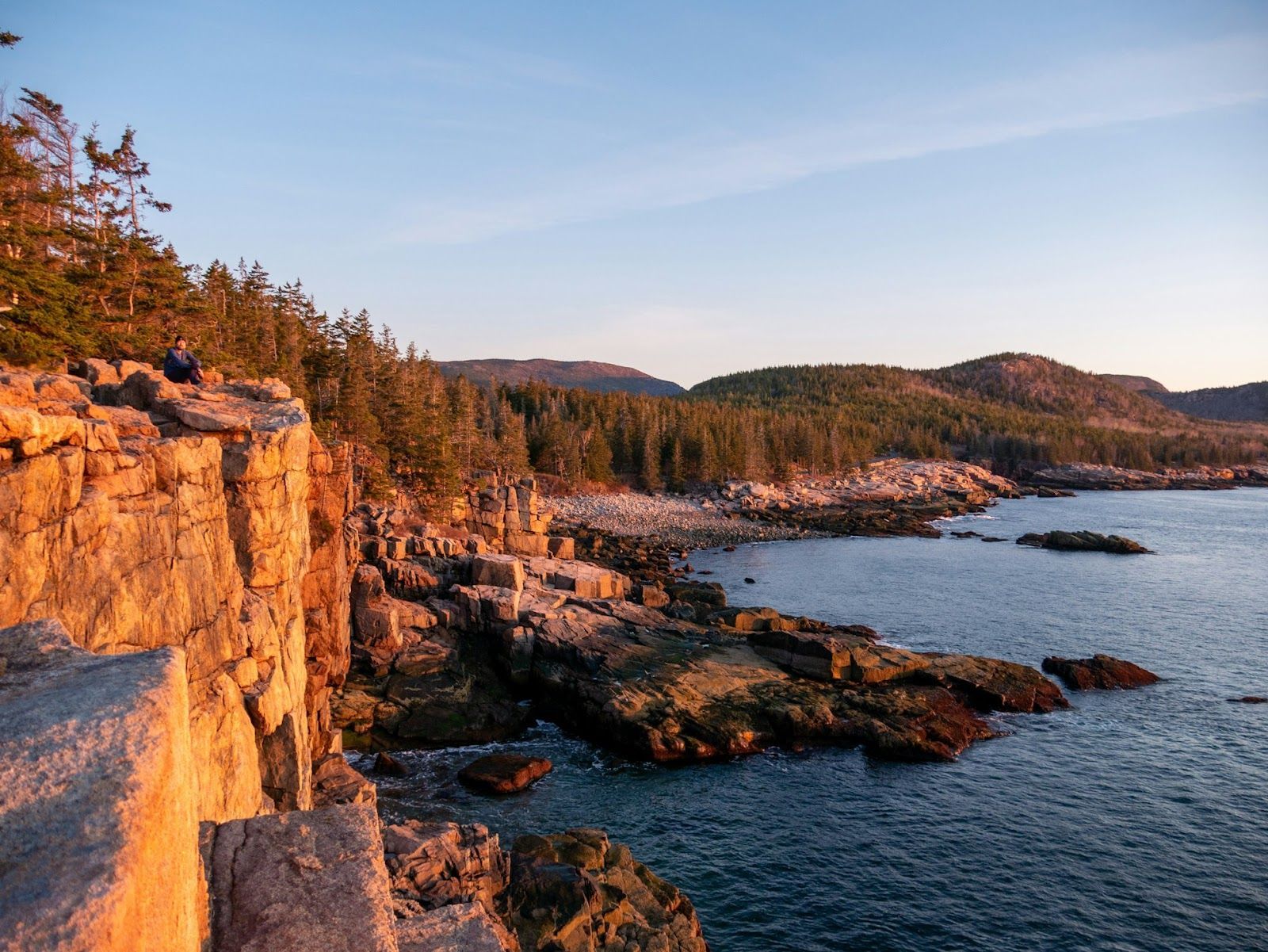 Image: Raphael Assouline
Acadia National Park protects a stunning stretch of rocky Atlantic coastline in Maine. The park is known for its granite peaks, ocean cliffs, and scenic carriage roads originally designed for horse-drawn travel.
Visitors can watch the sunrise from Cadillac Mountain, one of the first places in the United States to see daylight. Acadia blends forested trails, coastal views, and charming nearby towns, offering a unique mix of wilderness and New England charm.
Everglades National Park (Florida)
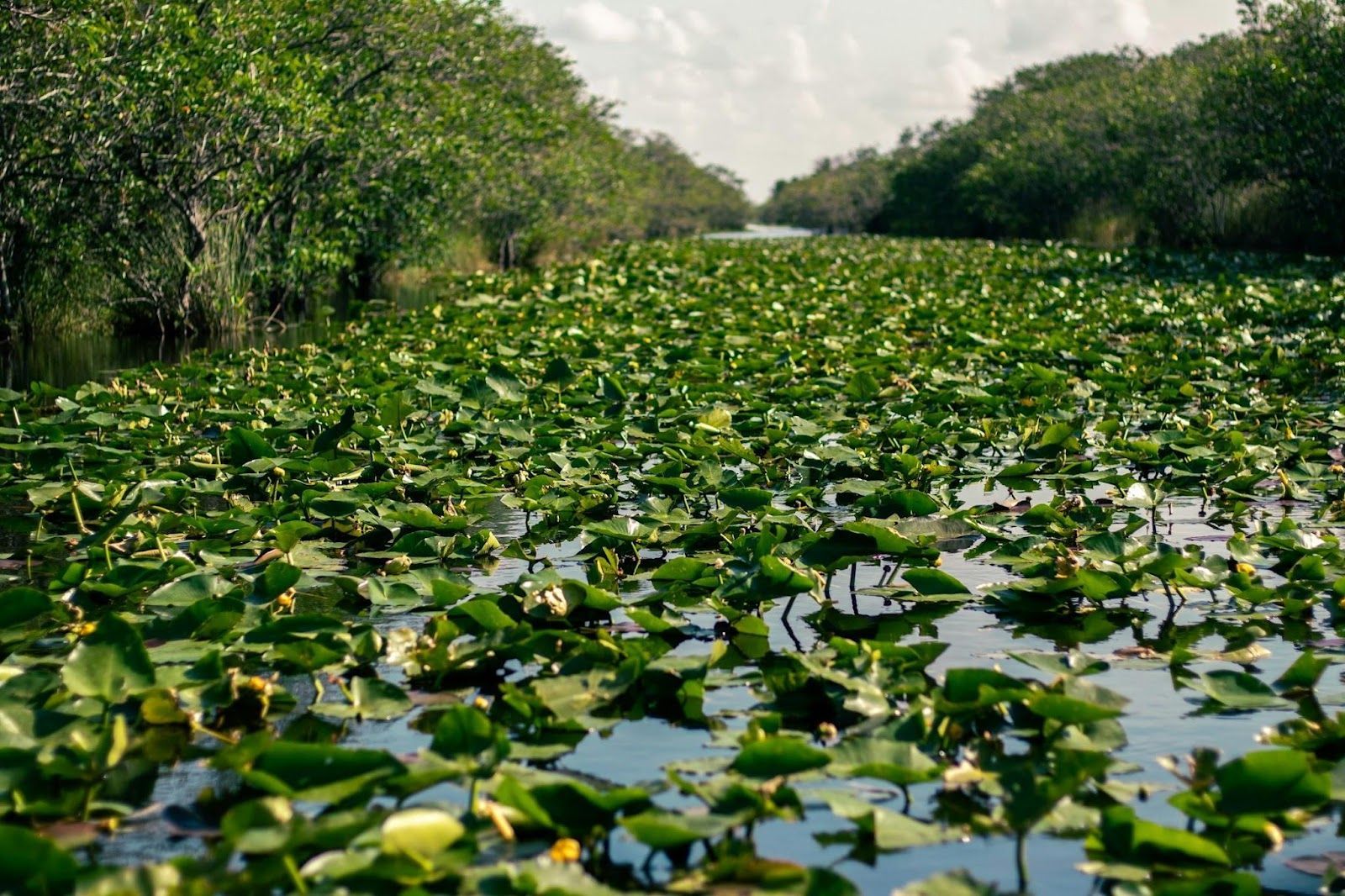 Image: Andy Cheng
Everglades National Park is unlike any other national park in the country. It protects a vast wetland ecosystem defined by slow-moving water, sawgrass marshes, and mangrove forests. This "River of Grass" plays a critical role in South Florida’s environment.
The park is home to rare and endangered species, including the American crocodile and the Florida panther. Airboat tours, boardwalk trails, and kayaking routes allow visitors to experience this subtropical wilderness up close.
Glacier National Park (Montana)
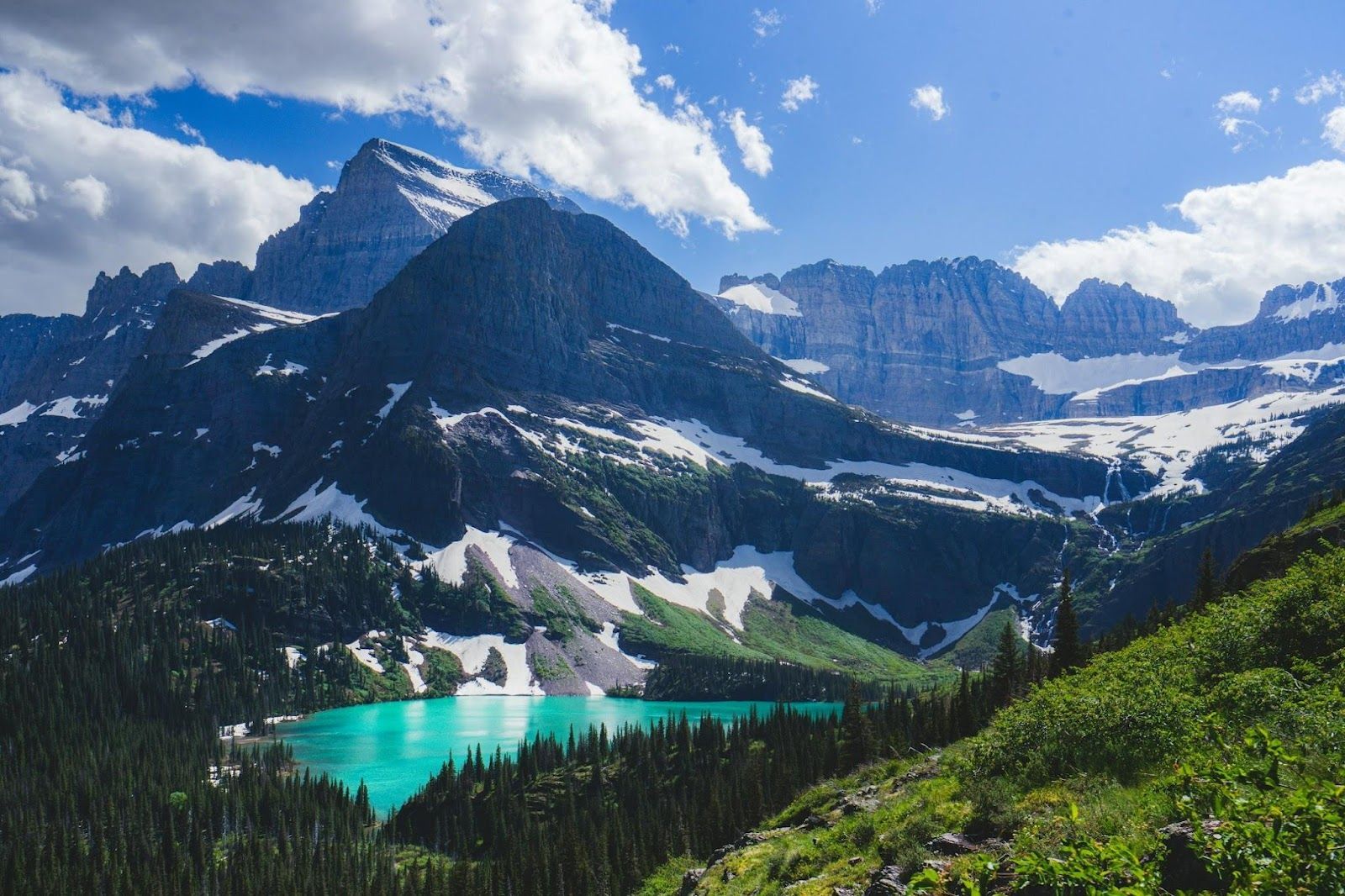 Image: Harrison Steen
Glacier National Park is renowned for its rugged mountains, pristine lakes, and remaining glaciers. The park’s dramatic scenery is highlighted by the Going-to-the-Sun Road, a scenic drive offering jaw-dropping views of valleys and peaks.
Hiking trails lead through alpine meadows and along turquoise lakes, while wildlife such as mountain goats and grizzly bears roam freely. Glacier’s largely untouched landscapes make it one of the most visually stunning parks in the country.
Joshua Tree National Park (California)
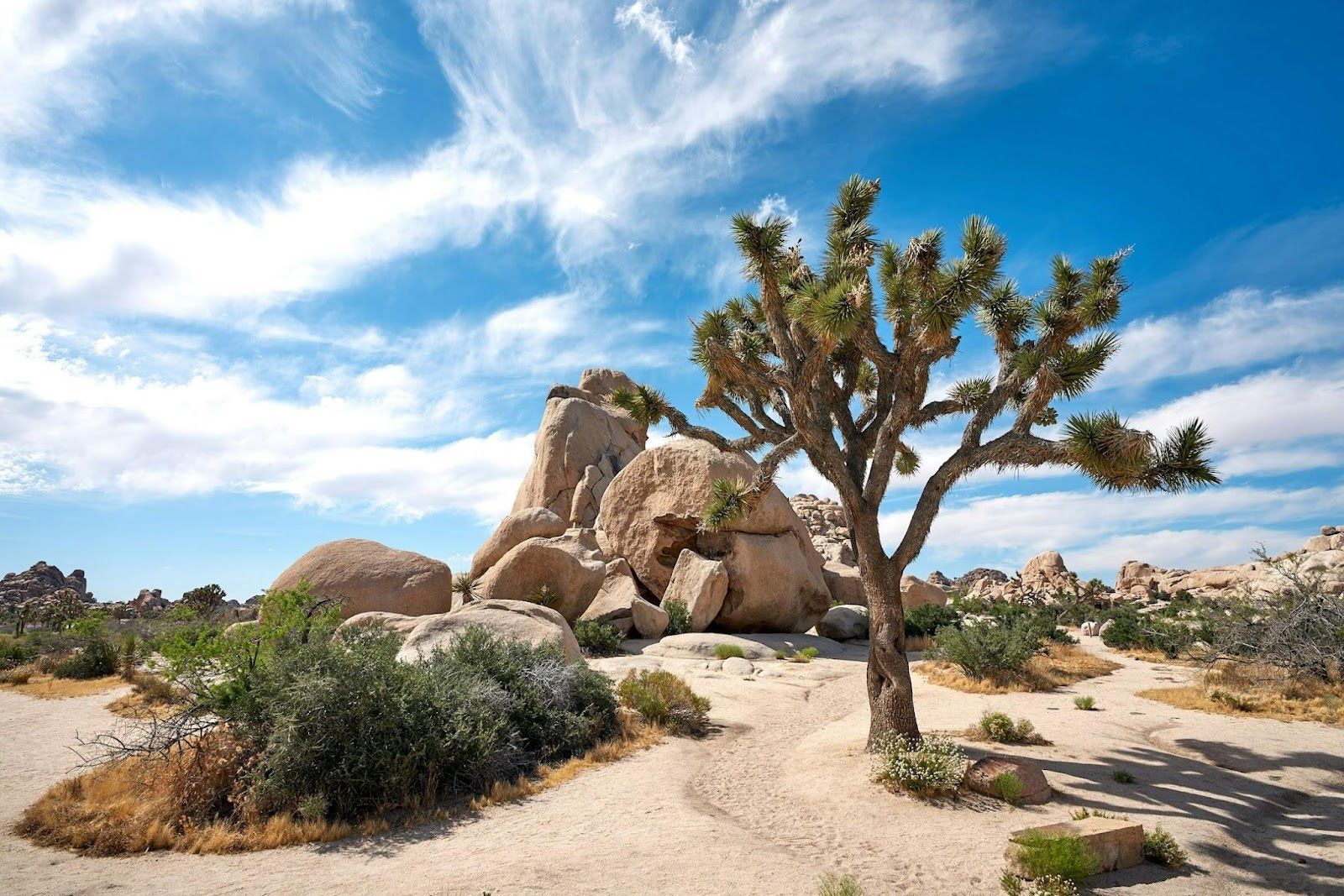 Image: Tim Cheung
Joshua Tree National Park sits at the intersection of the Mojave and Colorado deserts. It is named for the distinctive Joshua trees that dot the landscape, creating a surreal and otherworldly environment.
The park is popular with rock climbers, hikers, and stargazers. Its quiet desert nights and striking rock formations offer a sense of solitude and vastness, making Joshua Tree a favorite for those seeking peace and inspiration.
America’s national parks protect landscapes that are as diverse as the country itself. From icy mountain peaks to sunbaked deserts and coastal cliffs, these parks preserve natural wonders for future generations. Exploring them offers not only adventure but also a deeper appreciation for the beauty and power of the natural world.
Keep wandering
There’s always
more to explore
 General

Here's why this particular airport worker can't be over 56 years old
6 min.
Read Now
Could you handle 162 steps inside the Statue of Liberty?
6 min.
Read Now

What is the safest seat on a plane? This study reveals the answer
8 min.
Read Now

10 top family vacation spots for every generation
4 min.
Read Now